Polyclonal Antibodies
Anti-Mannose Receptor/CD206 Polyclonal Antibody for WB - P22897
Item Number : CM0026864
Price varies based on specs and customizations
- Application
- WB, IF-P, ELISA
- Cross Reactivity
- Human, Mouse, Rat
- Protein Weight
- 166 kDa

Shipping:
Contact us to get shipping details Enjoy On-time Dispatch Guarantee.
Why Choose Us
Easy ordering process, quality products, and dedicated support for your business success.
Core Product Specifications and Parameters
| Parameter | Value |
|---|---|
| Product Name | Mannose Receptor/CD206 Rabbit pAb |
| Remarks/Alias | MMR; hMR; CD206; MRC1L1; CLEC13D; CLEC13DL; bA541I19.1; Mannose Receptor/CD206 |
| Species | Human |
| Gene ID (Human) | 4360 |
| Immunogen | Recombinant fusion protein containing a sequence corresponding to amino acids 610-860 of human Mannose Receptor/CD206 (NP_002429.1). |
| Source | Rabbit |
| Category | Polyclonal Antibodies |
| Application | WB, IF-P, ELISA |
| Cross Reactivity | Human, Mouse, Rat |
| SWISS | P22897 |
| Protein Weight | 166 kDa |
| Shipping | Ice bag |
Biological Background: Mannose Receptor/CD206 Function and Localization
- The macrophage mannose receptor 1 (MRC1), also known as CD206, is a member of the C-type lectin domain family 13. Alternative splicing produces multiple isoforms; the canonical protein contains an extracellular region with fibronectin type-II and C-type lectin domains, a transmembrane helix, and a short cytoplasmic tail.
- MRC1 mediates the endocytosis of glycoproteins by macrophages, recognizing both sulfated and non-sulfated polysaccharide chains via its carbohydrate-recognition domains. This calcium-dependent process contributes to immune surveillance and clearance of endogenous and exogenous ligands.
- It acts as a phagocytic receptor for a broad range of microorganisms, including bacteria and fungi, facilitating their internalization and degradation in phagolysosomes.
- MRC1 serves as a host cell receptor for several viruses. It directly interacts with the envelope protein E of Dengue virus, promoting viral attachment and entry. It also interacts with the Hepatitis B virus envelope protein, implicating it in HBV infection mechanisms.
- The protein is primarily located on the cell membrane and in endosome membranes, enabling both surface binding and intracellular trafficking of ligands.
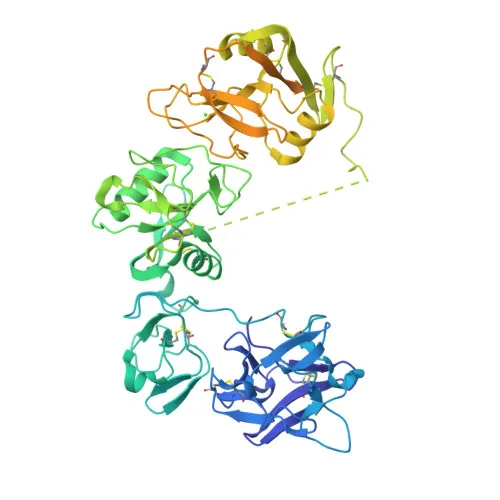
- Structurally, MRC1 contains eight C-type lectin domains (CTLDs), a fibronectin type-II domain, and a cysteine-rich domain. It is a glycoprotein with multiple disulfide bonds, and its activity depends on calcium ions.
- MRC1 is predominantly expressed on tissue macrophages, such as alveolar macrophages, Kupffer cells, and dendritic cells, but is absent from circulating monocytes. Its expression can be regulated by cytokines and microbial stimuli.
Experimental Guidance and Technical Tips
- Because the immunogen (aa 610–860) lies within the extracellular domain, this antibody is expected to recognize the extracellular portion of CD206, making it suitable for non-permeabilized immunofluorescence (IF) to detect surface protein.
- Western blot (WB): The predicted molecular weight is ~166 kDa; consider using a 6–8% SDS-PAGE gel and a PVDF membrane for efficient transfer. Validate the antibody in positive control lysates from human, mouse, or rat macrophage cell lines.
- Immunofluorescence-paraffin (IF-P): For tissue sections, antigen retrieval may enhance signal. Test a range of antibody dilutions (e.g., 1:50–1:200) to optimize staining specificity.
- ELISA: As a polyclonal antibody, it can serve as a capture or detection reagent in sandwich ELISA assays; evaluate pairing with monoclonal anti-CD206 antibodies for best sensitivity.
- Always include appropriate negative controls (e.g., isotype control or knockout cell lines) to confirm specificity, especially given the potential for cross-reactivity with other C-type lectins.
CamelBio: Your One-Stop Sourcing Bridge
CamelBio offers diagnostic manufacturers and research institutions seamless access to a wide range of IVD raw materials, including validated antibody pairs, optimized monoclonal/polyclonal antibodies, and bulk ancillary reagents. This anti-Mannose Receptor/CD206 polyclonal antibody supports research into innate immunity, infectious disease, and macrophage biology. For custom sourcing of rare targets or bulk quantities, CamelBio’s technical team provides expert guidance to accelerate your assay development and scale-up.
REQUEST A QUOTE
Our professional team will reply to you within one business day. Please feel free to contact us!