Polyclonal Antibodies
Anti-MAD1L1 Polyclonal Antibody for WB, ELISA - Q9Y6D9
Item Number : CM0020113
Price varies based on specs and customizations
- Application
- WB, ELISA
- Cross Reactivity
- Rat
- Protein Weight
- 83kDa

Shipping:
Contact us to get shipping details Enjoy On-time Dispatch Guarantee.
Why Choose Us
Easy ordering process, quality products, and dedicated support for your business success.
Core Product Specifications and Parameters
| Parameter | Value |
|---|---|
| Product Name | MAD1L1 Rabbit pAb |
| Remarks/Alias | MAD1; MVA7; PIG9; TP53I9; TXBP181; MAD1L1 |
| Species | Human |
| GeneID (Human) | 8379 |
| GeneID | 8379 |
| Immunogen | Synthetic peptide corresponding to a sequence within amino acids 1-100 of human MAD1L1 (NP_003541.2) |
| Source | Rabbit |
| Category | Polyclonal Antibodies |
| Application | WB, ELISA |
| Cross Reactivity | Rat |
| SWISS | Q9Y6D9 |
| Protein Weight | 83kDa |
| Shipping | Ice bag |
Biological Background: MAD1L1 Function and Localization
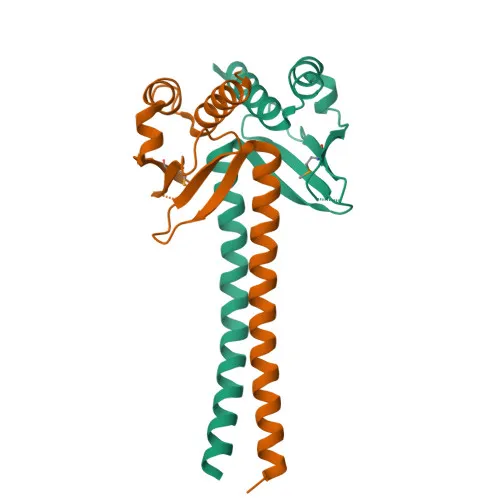
- MAD1L1 (Mitotic Arrest Deficient 1 Like 1) is also known as MAD1, MVA7, PIG9, TP53I9, TXBP181, and HsMAD1. It is a key component of the mitotic spindle assembly checkpoint (SAC), ensuring chromosome alignment before anaphase onset (PubMed:10049595, PubMed:20133940, PubMed:29162720). Related references: PMID:10049595 PMID:20133940 PMID:29162720
- At unattached kinetochores, MAD1L1 forms a heterotetrameric complex with the closed form of MAD2L1 (C-MAD2), recruiting and converting open MAD2L1 (O-MAD2) to C-MAD2, thereby propagating the checkpoint signal.
- In hepatocellular carcinomas, MAD1L1 sequesters MAD2L1 in the cytoplasm, impairing SAC function and contributing to chromosomal instability.
- Subcellularly, MAD1L1 localizes to the nucleus, kinetochores, centrosomes, spindle microtubules, and spindle poles during mitosis, with additional presence at the nuclear envelope and cytoplasm.
- The protein undergoes multiple post-translational modifications including phosphorylation and acetylation, and is subject to ubiquitination and alternative splicing.
- Expressed at the protein level in hepatocellular carcinomas and hepatoma cell lines.
Experimental Guidance and Technical Tips
- The immunogen is a synthetic peptide from the N-terminal region (aa 1–100); this region may be conserved across species, consistent with the reported rat cross-reactivity.
- For Western blot, a band around 83 kDa is expected; consider using appropriate loading controls and validate detection in your specific sample matrix.
- ELISA applications can be developed using this polyclonal antibody as a capture or detection reagent; titration and optimization under assay conditions are recommended.
- Since MAD1L1 is a cell cycle–regulated protein, synchronizing cells or enriching mitotic populations may enhance detection.
- Additional applications such as immunoprecipitation or immunofluorescence could be explored but require empirical validation.
CamelBio: Your One-Stop Sourcing Bridge
CamelBio provides diagnostic manufacturers, labs, and research institutes with one-stop access to IVD raw materials, technical services, and consulting—covering every stage from concept to clinic. This Anti-MAD1L1 polyclonal antibody supports cell division and oncology research, fitting into our comprehensive catalog of validated antibodies for mitotic targets. Customers can source optimized polyclonal and monoclonal antibodies, matched antigen pairs, and ancillary reagents, along with custom development services for rare-target raw materials.
REQUEST A QUOTE
Our professional team will reply to you within one business day. Please feel free to contact us!