Polyclonal Antibodies
Anti-LYPLA1 Rabbit Polyclonal Antibody for WB, IHC-P, ELISA - O75608
Item Number : CM0031032
Price varies based on specs and customizations
- Application
- WB, IHC-P, ELISA
- Cross Reactivity
- Human, Mouse
- Protein Weight
- 25kDa

Shipping:
Contact us to get shipping details Enjoy On-time Dispatch Guarantee.
Why Choose Us
Easy ordering process, quality products, and dedicated support for your business success.
Core Product Specifications and Parameters
| Parameter | Value |
|---|---|
| Product Name | LYPLA1 Rabbit pAb |
| Remarks/Alias | APT1; LPL1; APT-1; LPL-I; hAPT1; LYPLA1 |
| Species | Human |
| Gene ID (Human) | 10434 |
| Immunogen | Recombinant fusion protein containing a sequence corresponding to amino acids 1-230 of human LYPLA1 (NP_006321.1) |
| Source | Rabbit |
| Category | Polyclonal Antibodies |
| Application | WB, IHC-P, ELISA |
| Cross Reactivity | Human, Mouse |
| SWISS | O75608 |
| Protein Weight | 25kDa |
| Shipping | Ice bag |
Biological Background: LYPLA1 Function and Localization
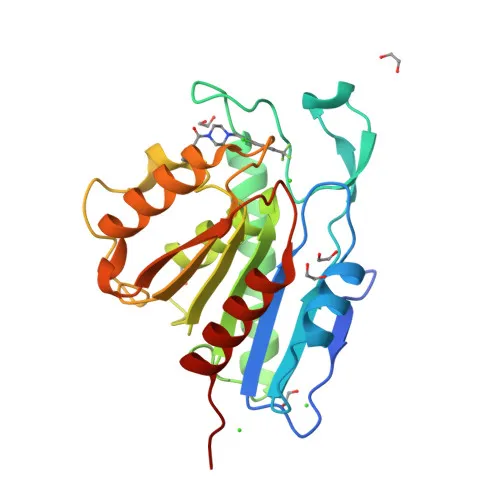
- LYPLA1 (also known as APT1, LPL1, or hAPT1) is an acyl-protein thioesterase belonging to the lysophospholipase family, encoded by the LYPLA1 gene (Gene ID: 10434). The full-length protein has a predicted molecular weight of approximately 25 kDa (UniProt: 24.67 kDa).
- Functions as a palmitoyl-protein thioesterase, catalyzing the depalmitoylation of S-acylated cysteine residues on target proteins, including G alpha subunits, HRAS, ADRB2, KCNMA1, and SQSTM1. Related references: PMID:20418879, PMID:22399288, PMID:27481942, PMID:37802024
- Acts as a negative regulator of autophagy by mediating palmitoylation of SQSTM1, which reduces its affinity for ATG8 proteins and impairs recruitment of ubiquitinated cargo to autophagosomes. Related references: PMID:37802024
- Exhibits lysophospholipase activity, hydrolyzing lysophosphatidylcholine (lyso-PC) and, to a lesser extent, other lysophospholipids such as lyso-PE, lyso-PI, and lyso-PS. Related references: PMID:19439193
- Contributes to the production of lysophosphatidic acid (LPA) during blood coagulation by cleaving plasma phospholipids to generate lysophospholipids, which serve as substrates for ENPP2. Related references: PMID:21393252
- Subcellularly localized to the cytoplasm, cell membrane, nuclear membrane, and endoplasmic reticulum, reflecting its diverse roles in lipid signaling and protein modification.
- Highly expressed in platelets, consistent with its involvement in coagulation-related lysophospholipid metabolism.
Experimental Guidance and Technical Tips
- The immunogen corresponds to the full-length human LYPLA1 protein (aa 1-230); the antibody may recognize both endogenous and overexpressed LYPLA1 across multiple species including human and mouse.
- For western blotting, a band at approximately 25 kDa is expected; inclusion of positive control lysates (e.g., human or mouse cell lines expressing LYPLA1) and a molecular weight marker is recommended.
- In IHC-P, antigen retrieval conditions and tissue-specific expression patterns should be optimized; positive staining may be observed in tissues with high LYPLA1 expression, such as platelet-rich areas.
- For ELISA applications, the antibody can be evaluated as a capture or detection reagent; pairing with a matched antibody pair may enhance sensitivity in sandwich formats.
CamelBio: Your One-Stop Sourcing Bridge
CamelBio provides one-stop access to IVD raw materials and technical support, including validated antibodies for protein modification and lipid metabolism research such as LYPLA1. From antibody pairs and bulk ancillary reagents to rare-target sourcing, we help diagnostic developers accelerate from concept to clinic.
REQUEST A QUOTE
Our professional team will reply to you within one business day. Please feel free to contact us!