Polyclonal Antibodies
Anti-LY86 Rabbit Polyclonal Antibody for WB, ELISA - O95711
Item Number : CM0019856
Price varies based on specs and customizations
- Application
- WB, ELISA
- Cross Reactivity
- Human, Mouse
- Protein Weight
- 18kDa

Shipping:
Contact us to get shipping details Enjoy On-time Dispatch Guarantee.
Why Choose Us
Easy ordering process, quality products, and dedicated support for your business success.
Core Product Specifications and Parameters
| Parameter | Value |
|---|---|
| Product Name | LY86 Rabbit pAb |
| Remarks/Alias | MD1; MD-1; MMD-1; dJ80N2.1; LY86 |
| Species | Human |
| GeneID (Human) | 9450 |
| GeneID | 9450 |
| Immunogen | Synthetic Peptide |
| Source | Rabbit |
| Category | Polyclonal Antibodies |
| Application | WB, ELISA |
| Cross Reactivity | Human, Mouse |
| SWISS | O95711 |
| Protein Weight | 18kDa |
| Shipping | Ice bag |
Biological Background: LY86 Function and Localization
- LY86, also known as MD-1, is a secreted protein that plays a key role in the innate immune system by modulating responses to bacterial lipopolysaccharide (LPS). It functions in cooperation with CD180 and TLR4.
- The protein is essential for efficient cell surface expression of CD180, a receptor important for B-cell recognition of LPS, thereby influencing cytokine production and inflammatory responses.
- LY86 is classified under the immunoglobulin-like domain superfamily and is characterized by a signal peptide and a single immunoglobulin (Ig)-like domain, suggesting its role as a secreted adaptor or coreceptor.
- Subcellularly, LY86 is localized to the extracellular space, consistent with its function as a secreted mediator that facilitates receptor complex assembly on the cell surface.
- Expression analysis reveals that LY86 is highly enriched in B-cells, monocytes, and tonsil tissues, underscoring its involvement in immune surveillance and humoral immunity.
- The protein undergoes post-translational modifications including glycosylation, and contains disulfide bonds that are likely critical for structural stability. It has been identified via direct protein sequencing and proteomic analyses.
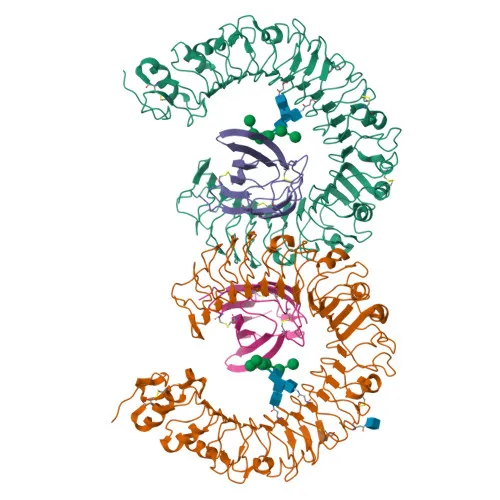
- Experimental determination of its 3D structure provides insights into its molecular interactions, potentially aiding in understanding its role in LPS-induced signaling pathways.
Experimental Guidance and Technical Tips
- The immunogen is a synthetic peptide spanning amino acids 50–150 of human LY86. For Western blot, a band of approximately 18 kDa is expected; however, due to glycosylation, the observed molecular weight may be slightly higher in some cell or tissue lysates.
- For ELISA applications, consider coating the peptide or the full-length recombinant protein as the antigen, and validate the antibody's specificity using blocking peptides or knockout cell lines if available.
- Since LY86 is a secreted protein, detection in culture supernatants or biological fluids by Western blot may require concentration or immunoprecipitation steps. Reducing and non-reducing conditions can help assess the role of disulfide bonds.
- Cross-reactivity with mouse LY86 is reported; confirm reactivity in the appropriate mouse model system, as sequence homology between human and mouse LY86 is high in the immunogen region.
CamelBio: Your One-Stop Sourcing Bridge
CamelBio provides diagnostic manufacturers, laboratories, and research institutions with convenient access to a broad portfolio of IVD raw materials, including this anti-LY86 polyclonal antibody. Supporting innate immunity and inflammation research, CamelBio helps streamline your procurement of validated antibody pairs, optimized recombinant proteins, and ancillary reagents for immunoassay development. From concept to clinic, rely on CamelBio as your partner for rare target sourcing and bulk supply needs.
REQUEST A QUOTE
Our professional team will reply to you within one business day. Please feel free to contact us!