Polyclonal Antibodies
Anti-LY86 Polyclonal Antibody for WB, IHC-P, ELISA - O95711
Item Number : CM0030217
Price varies based on specs and customizations
- Application
- WB, IHC-P, ELISA
- Cross Reactivity
- Human, Mouse
- Protein Weight
- 18kDa

Shipping:
Contact us to get shipping details Enjoy On-time Dispatch Guarantee.
Why Choose Us
Easy ordering process, quality products, and dedicated support for your business success.
Core Product Specifications and Parameters
| Parameter | Value |
|---|---|
| Product Name | LY86 Rabbit pAb |
| Remarks/Alias | MD1; MD-1; MMD-1; dJ80N2.1; LY86 |
| Species | Human |
| GeneID (Human) | 9450 |
| GeneID | 9450 |
| Immunogen | Recombinant fusion protein containing a sequence corresponding to amino acids 21-162 of human LY86 (NP_004262.1) |
| Source | Rabbit |
| Category | Polyclonal Antibodies |
| Application | WB, IHC-P, ELISA |
| Cross Reactivity | Human, Mouse |
| SWISS | O95711 |
| Protein Weight | 18kDa |
| Shipping | Ice bag |
Biological Background: LY86 Function and Localization
- LY86 (Lymphocyte antigen 86), also known as MD-1, is a secreted glycoprotein that functions as a key component of the innate immune system.
- It cooperates with CD180 and TLR4 to mediate the innate immune response to bacterial lipopolysaccharide (LPS) and cytokine production.
- LY86 is important for the efficient cell surface expression of CD180, a receptor involved in B-cell activation.
- The protein is localized to the extracellular space, consistent with its role as a secreted mediator.
- It is highly expressed in B-cells, monocytes, and tonsil, aligning with its role in immune surveillance and response.
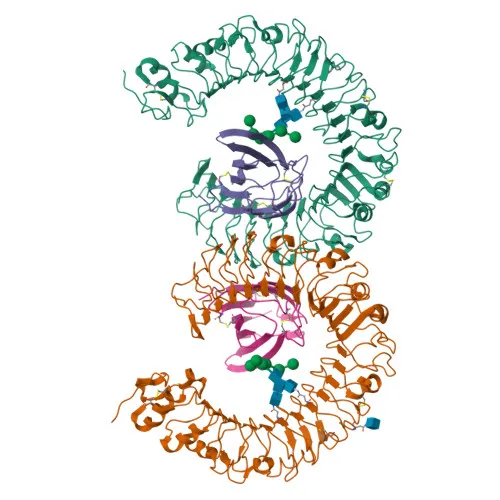
- Post-translational modifications include disulfide bond formation and glycosylation, as revealed by direct protein sequencing and 3D structure analysis.
Experimental Guidance and Technical Tips
- The immunogen corresponds to the N-terminal extracellular region (aa 21-162), which is predicted to be exposed on the native secreted protein; consider this when designing detection strategies for native versus denatured forms.
- For Western blotting, the predicted molecular weight is 18 kDa; however, glycosylation may shift the observed band upward, so deglycosylation enzymes may be worth considering to confirm identity.
- When performing IHC-P on human tissues, optimal results are often achieved with antigen retrieval methods; validation in B-cell-rich areas such as tonsil is recommended.
- For ELISA, given the secreted nature of LY86, detection in cell culture supernatants or body fluids is feasible; cross-reactivity with mouse LY86 allows for translational studies in mouse models.
- Always validate the antibody in the relevant sample system with appropriate controls to confirm specificity.
CamelBio: Your One-Stop Sourcing Bridge
CamelBio provides a one-stop channel for IVD raw materials, supporting diagnostic manufacturers and research institutes from concept to clinic. For projects targeting innate immunity and LPS signaling, we offer this anti-LY86 polyclonal antibody alongside a full portfolio of validated reagents—from optimized monoclonal/polyclonal antibodies and bulk ancillary reagents to custom rare-target sourcing. Let us streamline your procurement and help bridge the gap between research and reliable diagnostics.
REQUEST A QUOTE
Our professional team will reply to you within one business day. Please feel free to contact us!