Monoclonal Antibodies
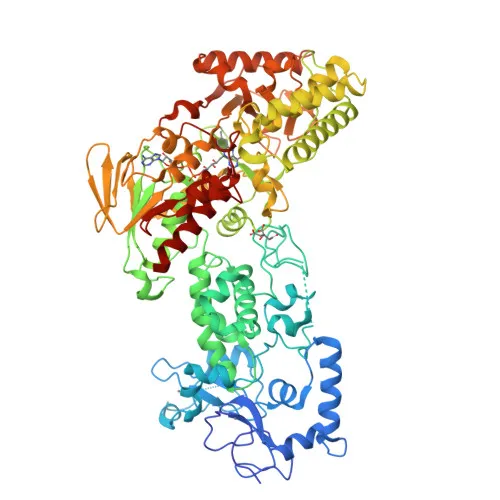
Anti-LSD2/KDM1B/AOF1 Rabbit Monoclonal Antibody for WB, ELISA - Q8NB78
Item Number : CM0003641
Price varies based on specs and customizations
- Application
- WB, ELISA
- Cross Reactivity
- Human, Mouse, Rat
- Protein Weight
- 92 kDa

Shipping:
Contact us to get shipping details Enjoy On-time Dispatch Guarantee.
Why Choose Us
Easy ordering process, quality products, and dedicated support for your business success.
Core Product Specifications and Parameters
| Parameter | Value |
|---|---|
| Product Name | LSD2/KDM1B/AOF1 Rabbit mAb |
| Remarks/Alias | AOF1; LSD2; C6orf193; LSD2/KDM1B/AOF1 |
| Species | Human |
| Gene ID (Human) | 221656 |
| Gene ID | 221656 |
| Immunogen | A synthetic peptide corresponding to amino acids 1-100 of human LSD2/KDM1B/AOF1 (NP_694587.3) |
| Source | Rabbit |
| Category | Monoclonal Antibodies |
| Application | WB, ELISA |
| Cross Reactivity | Human, Mouse, Rat |
| SWISS | Q8NB78 |
| Protein Weight | 92 kDa |
| Shipping | Ice bag |
Biological Background: LSD2/KDM1B/AOF1 Function and Localization
- LSD2/KDM1B/AOF1 is a lysine-specific histone demethylase that specifically removes mono- and di-methyl groups from lysine 4 of histone H3 (H3K4me1/2), thereby acting as a transcriptional corepressor.
- It shows no activity toward tri-methylated H3K4, or methylated H3K9, H3K27, H3K36, or H4K20, demonstrating high substrate specificity.
- The enzyme is required for de novo DNA methylation of a subset of imprinted genes during oogenesis, linking it to developmental epigenetic programming.
- Catalysis proceeds via FAD-dependent oxidation of the substrate, forming an imine intermediate that is subsequently hydrolyzed.
- Alone, LSD2 has minimal activity on nucleosomal substrates; association with GLYR1 forms a complex that efficiently demethylates H3K4me on nucleosomes, facilitating Pol II transcription through chromatin.
Related references:
PMID:30970244 - Subcellularly, the protein localizes to the nucleus and is associated with chromosomes, consistent with its role in chromatin modification.
- The protein features zinc-finger domains and FAD-binding motifs, classifying it as a chromatin regulator and flavoprotein.
- Post-translational modifications include phosphorylation, and multiple isoforms exist due to alternative splicing.
Experimental Guidance and Technical Tips
- The immunogen targets the N-terminal region (aa 1-100); therefore, isoforms lacking this region or with N-terminal truncations may not be detected. Verify in relevant systems.
- For Western blot, nuclear extracts are recommended to enrich for this chromatin-bound protein. Optimize the antibody dilution using a positive control, such as HeLa or HEK-293 cell lysates.
- The expected molecular weight is ~92 kDa. Confirm band identity with appropriate molecular weight markers and consider using blocking agents optimized for phospho-proteins if studying phosphorylated forms.
- Cross-reactivity has been observed with human, mouse, and rat samples. When using samples from other species, perform initial validation experiments.
- For ELISA applications, titrate the antibody concentration and confirm specificity using recombinant protein or peptide blocking assays.
CamelBio: Your One-Stop Sourcing Bridge
CamelBio provides diagnostic manufacturers and researchers with comprehensive access to IVD raw materials, including validated antibody pairs, optimized monoclonal and polyclonal antibodies, and bulk ancillary reagents. For epigenetics research, we support sourcing for histone modification targets like LSD2/KDM1B/AOF1, ensuring reliable supply for your assay development. Our one-stop service bridges the gap from concept to clinic, helping you secure rare-target reagents efficiently.
Product Datasheet
Anti-LSD2/KDM1B/AOF1 Rabbit Monoclonal Antibody for WB, ELISA - Q8NB78
REQUEST A QUOTE
Our professional team will reply to you within one business day. Please feel free to contact us!