Polyclonal Antibodies
Anti-LRRK2 Polyclonal Antibody for WB, IHC-P, ELISA - Q5S007
Item Number : CM0013080
Price varies based on specs and customizations
- Application
- WB, IHC-P, ELISA
- Cross Reactivity
- Human, Mouse, Rat
- Protein Weight
- 286kDa

Shipping:
Contact us to get shipping details Enjoy On-time Dispatch Guarantee.
Why Choose Us
Easy ordering process, quality products, and dedicated support for your business success.
Core Product Specifications and Parameters
| Parameter | Value |
|---|---|
| Product Name | LRRK2 Rabbit pAb |
| Remarks/Alias | PARK8; RIPK7; ROCO2; AURA17; DARDARIN; LRRK2 |
| Species | Human |
| Gene ID | 120892 |
| Immunogen | Recombinant protein: Recombinant fusion protein containing a sequence corresponding to amino acids 750-910 of human LRRK2 (NP_940980.3) |
| Source | Rabbit |
| Category | Polyclonal Antibodies |
| Application | WB, IHC-P, ELISA |
| Cross Reactivity | Human, Mouse, Rat |
| SWISS | Q5S007 |
| Protein Weight | 286kDa |
| Shipping | Ice bag |
Biological Background: LRRK2 Function and Localization
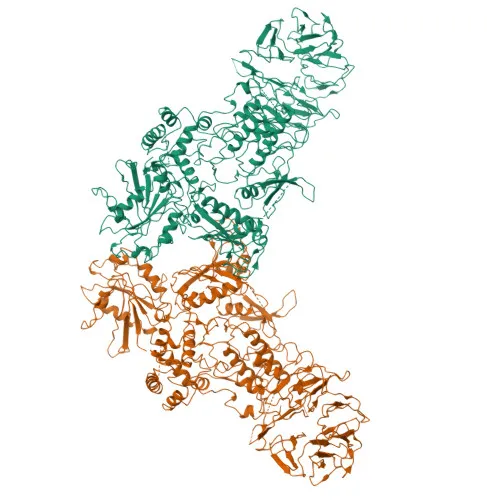
- LRRK2 (Leucine-rich repeat serine/threonine-protein kinase 2), also known as Dardarin, is a large multidomain protein containing a kinase domain, a Roc GTPase domain, a COR domain, and WD40 repeats. It exhibits both serine/threonine kinase and GTPase activities. Related references: PMID:18230735
- LRRK2 phosphorylates a broad range of proteins, including RAB GTPases (RAB3A/B/C/D, RAB5A/B/C, RAB8A/B, RAB10, RAB12, RAB29, RAB35, RAB43), PRDX3, APP, and RIPK2, regulating neuronal plasticity, autophagy, innate immunity, and vesicle trafficking. Related references: PMID:23395371, PMID:26824392, PMID:28720718, PMID:21850687, PMID:27830463
- It acts as a key regulator of primary ciliogenesis by phosphorylating RAB8A and RAB10, thereby promoting Sonic Hedgehog (SHH) signaling in the brain. Related references: PMID:29125462, PMID:30398148
- LRRK2 positively regulates autophagy via a calcium-dependent activation of the CaMKK/AMPK signaling pathway, involving lysosomal calcium release. Related references: PMID:22012985
- Mutations in LRRK2 are linked to familial and sporadic Parkinson's disease, making it a key target for neurodegeneration research.
- Subcellularly, LRRK2 localizes to cytoplasmic vesicles, the Golgi apparatus, endosomes, lysosomes, mitochondria, synaptic vesicles, phagosomes, and the cytoskeleton, and is found in neuronal cell bodies, axons, and dendrites.
- Tissue specificity: Highly expressed in the brain, particularly in pyramidal neurons of the visual cortex, substantia nigra pars compacta, and caudate putamen; also expressed in heart, liver, placenta, lung, skeletal muscle, kidney, and pancreas (at protein level). Related references: PMID:29127255
- LRRK2 is involved in the retrograde trafficking pathway from lysosomes to the Golgi, interacting with RAB29 and the retromer complex to recycle proteins such as M6PR. Related references: PMID:23395371
- Upon recruitment by RAB29 to overloaded lysosomes, LRRK2 phosphorylates and stabilizes RAB8A and RAB10, promoting lysosomal content release and regulating lysosomal morphology via EHBP1 and EHBP1L1. Related references: PMID:30209220, PMID:38227290
Experimental Guidance and Technical Tips
- For Western blotting, consider using a 6-8% SDS-PAGE gel and extended transfer times due to the large molecular weight of LRRK2 (~286 kDa).
- Validate antibody specificity using LRRK2 knockout or knockdown cell lysates or tissues, especially in brain or immune cell models.
- For IHC-P, optimize antigen retrieval and antibody dilution using human or rodent brain sections known to express LRRK2, such as substantia nigra or cortex.
- In ELISA, use recombinant LRRK2 fragments or cell lysates as capture antigens, and consider blocking with BSA or casein to reduce background.
- Because this is a polyclonal antibody, be aware of potential lot-to-lot variability; validate each new batch for consistency in your application.
CamelBio: Your One-Stop Sourcing Bridge
CamelBio provides diagnostic manufacturers, core labs, and research institutes with a streamlined, one-stop supply chain for IVD raw materials. For LRRK2-focused projects in neurodegeneration and autophagy, we can support your workflow with validated antibody pairs, optimized monoclonal and polyclonal alternatives, bulk ancillary reagents, and access to rare target raw materials—helping you move efficiently from concept to clinic.
REQUEST A QUOTE
Our professional team will reply to you within one business day. Please feel free to contact us!