Polyclonal Antibodies
Anti-LRP1 Rabbit Polyclonal Antibody for WB, IHC-P, ELISA - Q07954
Item Number : CM0013986
Price varies based on specs and customizations
- Application
- WB, IHC-P, ELISA
- Cross Reactivity
- Human, Mouse, Rat
- Protein Weight
- 505kDa

Shipping:
Contact us to get shipping details Enjoy On-time Dispatch Guarantee.
Why Choose Us
Easy ordering process, quality products, and dedicated support for your business success.
Core Product Specifications and Parameters
| Parameter | Value |
|---|---|
| Product Name | LRP1 Rabbit pAb |
| Remarks/Alias | APR; KPA; LRP; A2MR; CD91; APOER; LRP1A; TGFBR5; IGFBP3R; IGFBP-3R; IGFBP3R1; LRP1 |
| Species | Human |
| GeneID (Human) | 4035 |
| GeneID | 4035 |
| Immunogen | Recombinant fusion protein containing a sequence corresponding to amino acids 4401-4500 of LRP1 (NP_002323.2) |
| Source | Rabbit |
| Category | Polyclonal Antibodies |
| Application | WB, IHC-P, ELISA |
| Cross Reactivity | Human, Mouse, Rat |
| SWISS | Q07954 |
| Protein Weight | 505kDa |
| Shipping | Ice bag |
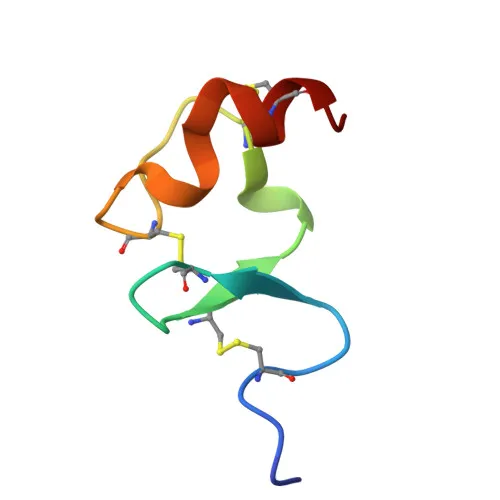
Biological Background: LRP1 Function and Localization
- Also known as Prolow-density lipoprotein receptor-related protein 1 (LRP1), alpha-2-macroglobulin receptor (A2MR), apolipoprotein E receptor (APOER), and CD91.
- Functions as an endocytic receptor mediating endocytosis and phagocytosis of apoptotic cells, and acts as a receptor for alpha-2-macroglobulin, facilitating clearance of chylomicron remnants and protease complexes.
Related references: PMID:11907044, PMID:12713657, PMID:1702392, PMID:26142438 - Acts as a receptor for TAU/MAPT, controlling its endocytosis and intercellular spread, with implications for neurodegenerative tauopathies.
Related references: PMID:32296178 - Modulates APP metabolism, kinase-dependent intracellular signaling, neuronal calcium signaling, and neurotransmission.
Related references: PMID:12888553 - Serves as a receptor for IGFBP3 to mediate cell growth inhibition.
Related references: PMID:9252371 - Functions as a receptor for Pseudomonas aeruginosa exotoxin A and yellow fever virus during microbial infection.
- Predominantly expressed in liver, brain, and lung.
- Localizes to the cell membrane, coated pits, cytoplasm, nucleus, Golgi outposts, and microtubule organizing centers; subject to post-translational modifications including acetylation, glycosylation, and phosphorylation, and contains EGF-like and LDL-receptor class A domains.
Experimental Guidance and Technical Tips
- For Western blotting, consider using a low-percentage (e.g., 3–8%) SDS-PAGE gel and extended transfer times to accommodate the high molecular weight (~505 kDa) of full-length LRP1. Validate detection in relevant human, mouse, or rat samples.
- In IHC-P, antigen retrieval may be necessary for optimal staining; test appropriate retrieval buffers and conditions.
- For ELISA, the immunogen sequence (C-terminal residues 4401–4500) can serve as a coating antigen, or validate against natural LRP1 ligands in the relevant sample system.
- As a polyclonal antibody, it recognizes multiple epitopes, which may enhance sensitivity but also increase the risk of non-specific binding; include appropriate controls.
CamelBio: Your One-Stop Sourcing Bridge
CamelBio offers one-stop access to IVD raw materials and technical support, reliably supplying validated antibody pairs, optimized monoclonal/polyclonal antibodies, and bulk ancillary reagents for diagnostic development. This LRP1 antibody supports research in lipid metabolism, signal transduction, and neurodegeneration, and we also assist with rare target raw-material sourcing to streamline your workflow from concept to clinic.
REQUEST A QUOTE
Our professional team will reply to you within one business day. Please feel free to contact us!