Polyclonal Antibodies
Anti-LIF Rabbit Polyclonal Antibody for WB, ELISA - P09056
Item Number : CM0019993
Price varies based on specs and customizations
- Application
- WB, ELISA
- Cross Reactivity
- Mouse
- Protein Weight
- 22kDa

Shipping:
Contact us to get shipping details Enjoy On-time Dispatch Guarantee.
Why Choose Us
Easy ordering process, quality products, and dedicated support for your business success.
Core Product Specifications and Parameters
| Parameter | Value |
|---|---|
| Product Name | Lif Rabbit pAb |
| Species | Mouse |
| GeneID (Human) | 3976 |
| GeneID | 16878 |
| Immunogen | Recombinant fusion protein containing a sequence corresponding to amino acids 24-203 of mouse Lif (NP_032527.1). |
| Source | Rabbit |
| Category | Polyclonal Antibodies |
| Application | WB, ELISA |
| Cross Reactivity | Mouse |
| SWISS | P09056 |
| Protein Weight | 22kDa |
| Shipping | Ice bag |
Biological Background: LIF Function and Localization
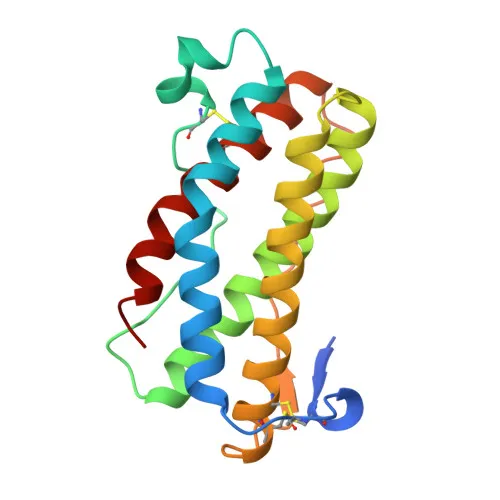
- Leukemia inhibitory factor (LIF), also known as differentiation-stimulating factor (D factor), is a secreted cytokine.
- LIF exerts its effects by binding to a receptor complex composed of IL6ST/gp130 and LIFR.
- It critically regulates self-renewal, differentiation, and survival of embryonic stem cells (ESCs) and is essential for embryonic implantation. Related references: PMID:1522892 PMID:16452727 PMID:26775702
- Upon ligand binding, LIFR heterodimerizes with IL6ST/gp130, activating JAK kinases (JAK1, JAK2, TYK2) which phosphorylate receptor tyrosine residues, leading to recruitment and activation of STAT3 (and STAT1). Related references: PMID:8921810
- LIF stimulation also activates the MAPK and PI3K/AKT pathways; PI3K activity is required for efficient ESC self-renewal, and ERK regulation is functionally important in this response. Related references: PMID:15328362 PMID:9545305
- LIF induces tyrosine phosphorylation of PTPN11, which associates with IL6ST/gp130-LIFR and recruits the p85 subunit of PI3K, further promoting PI3K-AKT and GRB2-RAS-MAPK signaling.
- The mature protein is secreted via a cleaved N-terminal signal peptide.
- LIF is a glycoprotein with disulfide bonds and belongs to the reference proteome.
Experimental Guidance and Technical Tips
- The immunogen corresponds to residues 24–203 of mouse LIF, covering the mature secreted protein; use it for detecting native LIF in sample systems such as mouse ESCs or uterine tissue.
- For Western blot, run samples under reducing conditions to resolve disulfide-linked forms; a recombinant LIF protein or LIF-expressing cell lysate can serve as a positive control.
- In ELISA, consider pairing this polyclonal antibody with a matched monoclonal or another polyclonal as capture/detection; validate assay specificity with a recombinant LIF standard.
- As with any polyclonal antibody, lot-to-lot consistency may vary; we recommend including an internal reference standard in each experiment.
- Ensure secondary anti-rabbit IgG conjugates are compatible with your detection system.
CamelBio: Your One-Stop Sourcing Bridge
CamelBio supports diagnostic manufacturers, research labs, and institutes with a comprehensive portfolio of IVD raw materials—from validated antibody pairs and optimized polyclonal/monoclonal antibodies to bulk ancillary reagents and rare-target sourcing. For stem cell and reproductive biology applications, we offer products like this anti-LIF polyclonal antibody, backed by reliable supply and technical consultation. Partner with CamelBio to streamline your raw material procurement from concept to clinic.
REQUEST A QUOTE
Our professional team will reply to you within one business day. Please feel free to contact us!