Polyclonal Antibodies
Anti-LGR5/GPR49 Rabbit Polyclonal Antibody for WB, IHC-P, ELISA - O75473
Item Number : CM0016023
Price varies based on specs and customizations
- Application
- WB, IHC-P, ELISA
- Cross Reactivity
- Mouse, Rat
- Protein Weight
- 100kDa

Shipping:
Contact us to get shipping details Enjoy On-time Dispatch Guarantee.
Why Choose Us
Easy ordering process, quality products, and dedicated support for your business success.
Core Product Specifications and Parameters
| Parameter | Value |
|---|---|
| Product Name | LGR5/GPR49 Rabbit pAb |
| Remarks/Alias | FEX; HG38; GPR49; GPR67; GRP49; LGR5/GPR49 |
| Species | Human |
| GeneID (Human) | 8549 |
| GeneID | 8549 |
| Immunogen | Recombinant fusion protein containing a sequence corresponding to amino acids 824-907 of human LGR5/GPR49 (NP_003658.1). |
| Source | Rabbit |
| Category | Polyclonal Antibodies |
| Application | WB, IHC-P, ELISA |
| Cross Reactivity | Mouse, Rat |
| SWISS | O75473 |
| Protein Weight | 100kDa |
| Shipping | Ice bag |
Biological Background: LGR5 Function and Localization
- Leucine-rich repeat-containing G protein-coupled receptor 5 (LGR5), also known as G protein-coupled receptor 49 (GPR49), GPR67, and HG38, is encoded by the LGR5 gene.
- LGR5 functions as a receptor for R-spondins (RSPO1-4) and potentiates the canonical Wnt signaling pathway, serving as a stem cell marker for intestinal epithelium and hair follicles.
- Upon R-spondin binding, LGR5 associates with phosphorylated LRP6 and frizzled receptors, activating Wnt target gene expression without activating heterotrimeric G proteins, distinguishing it from classical GPCRs.
- LGR5 is localized to the cell membrane and the trans-Golgi network membrane, with roles in stem cell maintenance during postembryonic development.
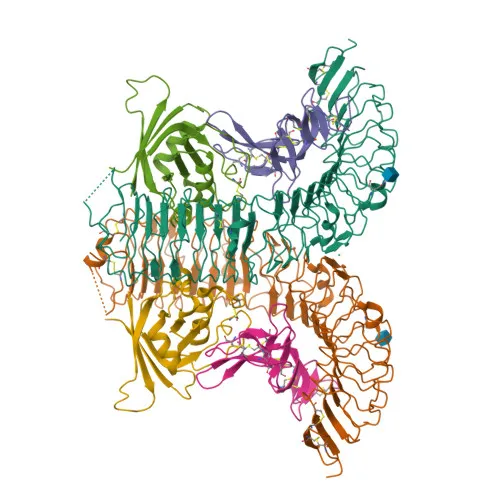
- The protein contains leucine-rich repeats and is subject to post-translational modifications including glycosylation and disulfide bond formation.
- Tissue expression includes skeletal muscle, placenta, spinal cord, and brain; it is specifically expressed in the stem cell compartment at the base of intestinal crypts. Overexpression is observed in ovarian, colon, and liver cancers.
- Alternative splicing generates multiple isoforms, and the protein has been identified in proteomics studies.
Experimental Guidance and Technical Tips
- The immunogen corresponds to amino acids 824-907 of human LGR5, a C-terminal region; the antibody may recognize full-length LGR5.
- For western blotting, the expected band is approximately 100 kDa; validate with positive control lysates from LGR5-expressing cells or tissues.
- In immunohistochemistry-paraffin (IHC-P), consider standard antigen retrieval protocols and validate using intestinal crypt sections as positive control.
- The antibody is reported to cross-react with mouse and rat, suggesting conserved epitope; confirm specificity with appropriate controls in these species.
- As a stem cell marker, LGR5 expression may be low; signal amplification or enrichment strategies can be explored if needed.
CamelBio: Your One-Stop Sourcing Bridge
CamelBio provides diagnostic manufacturers and researchers with one-stop access to IVD raw materials, technical services, and consulting. This anti-LGR5 antibody supports stem cell and oncology research, and we offer validated antibody pairs, optimized monoclonal/polyclonal antibodies, and bulk ancillary reagents. For rare target sourcing, our team can assist from concept to clinic.
Product Datasheet
Anti-LGR5/GPR49 Rabbit Polyclonal Antibody for WB, IHC-P, ELISA - O75473
REQUEST A QUOTE
Our professional team will reply to you within one business day. Please feel free to contact us!