Polyclonal Antibodies
Anti-LGR4 Rabbit Polyclonal Antibody for WB, IF-P, ELISA - Q9BXB1
Item Number : CM0014533
Price varies based on specs and customizations
- Application
- WB, IF-P, ELISA
- Cross Reactivity
- Human, Mouse, Rat
- Protein Weight
- 104kDa

Shipping:
Contact us to get shipping details Enjoy On-time Dispatch Guarantee.
Why Choose Us
Easy ordering process, quality products, and dedicated support for your business success.
Core Product Specifications and Parameters
| Parameter | Value |
|---|---|
| Product Name | LGR4 Rabbit pAb |
| Remarks/Alias | DPSL; GPR48; BNMD17; LGR4 |
| Species | Human |
| Gene ID (Human) | 55366 |
| Gene ID | 55366 |
| Immunogen | Recombinant fusion protein containing a sequence corresponding to amino acids 320-540 of human LGR4 (NP_060960.2). |
| Source | Rabbit |
| Category | Polyclonal Antibodies |
| Application | WB, IF-P, ELISA |
| Cross Reactivity | Human, Mouse, Rat |
| SWISS | Q9BXB1 |
| Protein Weight | 104kDa |
| Shipping | Ice bag |
Biological Background: LGR4 Function and Localization
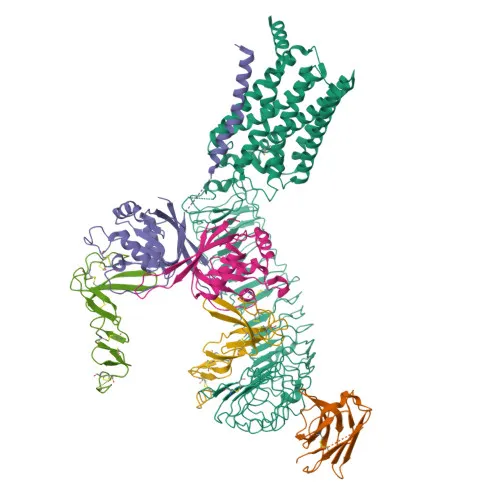
- LGR4 (Leucine-rich repeat-containing G protein-coupled receptor 4), also known as GPR48, is a receptor for R-spondins (RSPO1-4) that potentiates canonical Wnt signaling.
- Binding of R-spondins triggers association with phosphorylated LRP6 and Frizzled receptors, activating Wnt target gene expression without classical heterotrimeric G protein activation.
- Plays critical roles in development of liver, kidney, intestine, bone, reproductive tract, and eye; required for spermatogenesis, intestinal stem cell maintenance, and Paneth cell differentiation.
- Negatively regulates innate immunity by inhibiting TLR2/TLR4-associated pattern recognition and pro-inflammatory cytokine production.
- Involved in circadian regulation of plasma lipids, partly via rhythmic expression of MTTP.
- Required for proper development of GnRH neurons controlling reproductive hormone release.
- Located at the cell membrane, expressed in multiple steroidogenic tissues (placenta, ovary, testis, adrenal) and also in spinal cord, thyroid, stomach, trachea, heart, pancreas, kidney, prostate, and spleen.
- Post-translational modifications include glycosylation, phosphorylation, and disulfide bonds; belongs to the GPCR family with leucine-rich repeats.
Experimental Guidance and Technical Tips
- For Western blot (WB), use reducing and denaturing conditions to detect LGR4; the predicted molecular weight is 104 kDa, but glycosylation may cause a higher apparent mass. Validate with a positive control lysate from human, mouse, or rat tissues known to express LGR4.
- In immunofluorescence on paraffin-embedded sections (IF-P), antigen retrieval (e.g., citrate buffer, heat-induced) may be required for optimal antigen exposure. Consider permeabilization with Triton X-100 and blocking with serum matching the host species of the secondary antibody.
- Due to polyclonal nature, lot-to-lot variability can occur. Include appropriate negative controls (e.g., cell lines with low or absent LGR4 expression) and confirm specificity using blocking with the immunogen.
- For ELISA, titrate the antibody and use a suitable detection system; cross-reactivity with mouse and rat LGR4 allows cross-species assay development.
CamelBio: Your One-Stop Sourcing Bridge
CamelBio offers a comprehensive portfolio of validated IVD raw materials, including this anti-LGR4 polyclonal antibody, to support research and diagnostic development in Wnt signaling, stem cell biology, and reproductive health. Our one-stop sourcing model connects you with optimized monoclonal/polyclonal antibodies, bulk ancillary reagents, and custom raw-material solutions—from discovery through clinical application—to accelerate your project timelines.
REQUEST A QUOTE
Our professional team will reply to you within one business day. Please feel free to contact us!