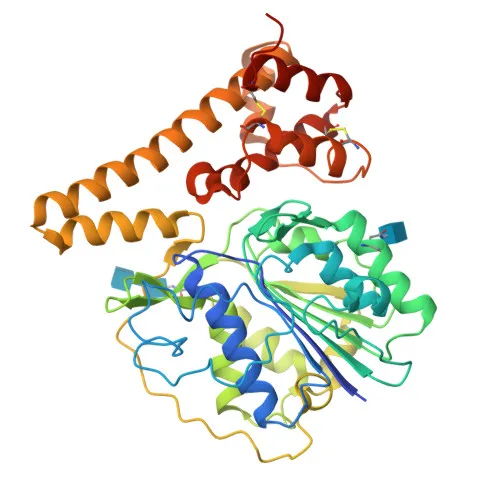
Monoclonal Antibodies
Anti-Legumain (LGMN) Monoclonal Antibody for WB, ELISA - Q99538
Item Number : CM0008180
Price varies based on specs and customizations
- Application
- WB, ELISA
- Cross Reactivity
- Human, Mouse, Rat
- Protein Weight
- 49 kDa

Shipping:
Contact us to get shipping details Enjoy On-time Dispatch Guarantee.
Why Choose Us
Easy ordering process, quality products, and dedicated support for your business success.
Core Product Specifications and Parameters
| Parameter | Value |
|---|---|
| Product Name | Legumain (LGMN) Rabbit mAb |
| Remarks/Alias | AEP; LGMN1; PRSC1; Legumain (LGMN) |
| Species | Human |
| GeneID (Human) | 5641 |
| GeneID | 5641 |
| Immunogen | Recombinant fusion protein containing a sequence corresponding to amino acids 210-302 of human Legumain (LGMN) (Q99538) |
| Source | Rabbit |
| Category | Monoclonal Antibodies |
| Application | WB, ELISA |
| Cross Reactivity | Human, Mouse, Rat |
| SWISS | Q99538 |
| Protein Weight | 49 kDa |
| Shipping | Ice bag |
Biological Background: Legumain (LGMN) Function and Localization
- Legumain, also known as asparaginyl endopeptidase (AEP) or protease, cysteine 1 (PRSC1), is a cysteine protease encoded by the LGMN gene.
- It exhibits a strict specificity for the hydrolysis of asparaginyl bonds, and can also slowly cleave aspartyl bonds, particularly under acidic conditions. Related references: PMID:23776206
- Legumain is involved in the processing of proteins for MHC class II antigen presentation within the lysosomal/endosomal system. Related references: PMID:9872320
- In cross-presenting dendritic cells, it plays a role in MHC class I antigen presentation by mediating the cleavage and maturation of Perforin-2 (MPEG1), thereby facilitating antigen translocation into the cytosol.
- It is required for normal lysosomal protein degradation in renal proximal tubules and for the degradation of internalized EGFR, linking it to the regulation of cell proliferation.
- The protein localizes predominantly to lysosomes and is ubiquitously expressed, with the highest abundance observed in kidney, heart, and placenta.
- Legumain is synthesized as a zymogen and undergoes proteolytic activation; it is a glycoprotein containing disulfide bonds and belongs to the C13 family of cysteine peptidases.
Experimental Guidance and Technical Tips
- The immunogen corresponds to amino acids 210-302 of human Legumain, a region likely containing part of the catalytic domain; this design may contribute to specific recognition of the mature protease.
- For Western blotting under reducing conditions, a band around 49 kDa is expected for the precursor or mature form; inclusion of appropriate protease inhibitors during sample preparation is recommended.
- Given the reported cross-reactivity with mouse and rat, the antibody can be evaluated in these species for comparative studies, but validation should be performed in the relevant sample system.
- In ELISA applications, the antibody may be suitable for both direct and indirect formats; consider pairing with a detection antibody recognizing a distinct epitope for sandwich assays.
CamelBio: Your One-Stop Sourcing Bridge
CamelBio is your dedicated partner for IVD raw-material sourcing, providing diagnostic manufacturers and research laboratories with seamless access to critical reagents from discovery through clinical applications. This Legumain (LGMN) monoclonal antibody, targeting a key protease in antigen presentation and protein degradation, exemplifies our commitment to offering validated monoclonal antibodies for immunodetection. Whether you require validated antibody pairs, bulk ancillary reagents, or assistance sourcing rare targets, CamelBio streamlines procurement so you can focus on advancing your diagnostic solutions.
REQUEST A QUOTE
Our professional team will reply to you within one business day. Please feel free to contact us!