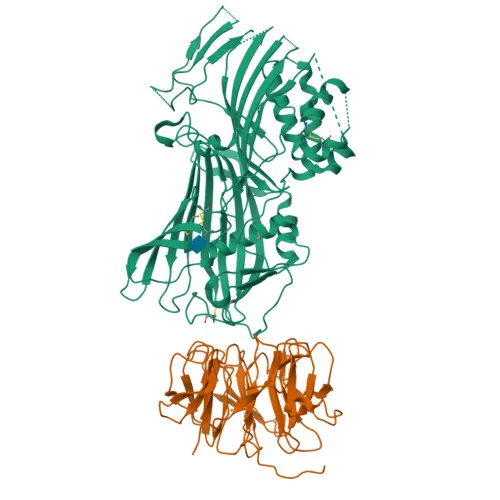
Polyclonal Antibodies
Anti-LDL Receptor (LDLR) Rabbit Polyclonal Antibody for WB, IHC-P, IF/ICC, ELISA - P01130
Item Number : CM0020740
Price varies based on specs and customizations
- Application
- WB, IHC-P, IF/ICC, ELISA
- Cross Reactivity
- Human, Mouse, Rat
- Protein Weight
- 95kDa

Shipping:
Contact us to get shipping details Enjoy On-time Dispatch Guarantee.
Why Choose Us
Easy ordering process, quality products, and dedicated support for your business success.
Core Product Specifications and Parameters
| Parameter | Value |
|---|---|
| Product Name | LDL Receptor (LDLR) Rabbit pAb |
| Remarks/Alias | FH; FHC; FHCL1; LDLCQ2; LDL Receptor (LDLR) |
| Species | Human |
| GeneID | 3949 (Human) |
| Immunogen | A synthetic peptide corresponding to a sequence within amino acids 761-860 of human LDL Receptor (LDLR) (NP_000518.1). |
| Source | Rabbit |
| Category | Polyclonal Antibodies |
| Application | WB, IHC-P, IF/ICC, ELISA |
| Cross Reactivity | Human, Mouse, Rat |
| SWISS | P01130 |
| Protein Weight | 95kDa |
| Shipping | Ice bag |
Biological Background: LDL Receptor Function and Localization
- LDLR is a cell surface receptor that binds low-density lipoprotein (LDL), the major cholesterol-carrying lipoprotein, and mediates its endocytosis via clathrin-coated pits.
- It forms a ternary complex with PGRMC1 and TMEM97, which enhances LDL internalization. Related references: PMID:30443021
- LDLR also serves as a receptor for various viruses: Hepatitis C virus (HCV) in hepatocytes, Vesicular stomatitis virus (VSV), Crimean-Congo hemorrhagic fever virus (CCHFV), and several Alphaviruses (e.g., Getah virus, Ross river virus, Semliki Forest virus). In HIV-1 infection, it mediates internalization of extracellular Tat protein in neurons.
- The receptor localizes to the cell membrane, clathrin-coated pits, Golgi apparatus, early endosomes, late endosomes, and lysosomes, reflecting its trafficking during ligand uptake.
- LDLR is extensively post-translationally modified, including glycosylation, phosphorylation, disulfide bonds, and ubiquitination, which regulate its stability and function.
- LDLR is associated with familial hypercholesterolemia (FH), a genetic disorder caused by mutations that impair LDL clearance.
Experimental Guidance and Technical Tips
- The immunogen corresponds to the intracellular C-terminal region (amino acids 761-860), suggesting the antibody may detect both full-length and truncated forms in Western blot; observe possible glycosylation-induced shifts from the predicted 95kDa.
- For IHC-P and IF/ICC, optimize fixation and permeabilization conditions to preserve antigenicity in the relevant tissue or cell system.
- In ELISA, consider using the immunogenic peptide as a positive control to validate assay specificity.
- Cross-reactivity with mouse and rat samples has been observed; validate performance in the specific species and model system used.
CamelBio: Your One-Stop Sourcing Bridge
CamelBio offers an expansive portfolio of IVD raw materials, including validated antibody pairs, optimized polyclonal and monoclonal antibodies, and bulk ancillary reagents, accelerating your diagnostic development. This anti-LDLR antibody supports research into cholesterol metabolism, cardiovascular disease, and viral entry mechanisms. For rare targets or custom sourcing needs, CamelBio’s global supply chain bridges the gap from concept to clinic.
Product Datasheet
Anti-LDL Receptor (LDLR) Rabbit Polyclonal Antibody for WB, IHC-P, IF/ICC, ELISA - P01130
REQUEST A QUOTE
Our professional team will reply to you within one business day. Please feel free to contact us!