Polyclonal Antibodies
Anti-LDHA Rabbit Polyclonal Antibody for IHC-P/IF/ICC/ELISA - P00338
Item Number : CM0019176
Price varies based on specs and customizations
- Application
- IHC-P, IF/ICC, ELISA
- Cross Reactivity
- Human, Mouse
- Protein Weight
- 26-39 kDa

Shipping:
Contact us to get shipping details Enjoy On-time Dispatch Guarantee.
Why Choose Us
Easy ordering process, quality products, and dedicated support for your business success.
Core Product Specifications and Parameters
| Parameter | Value |
|---|---|
| Product Name | [KD Validated] LDHA Rabbit pAb |
| Remarks/Alias | LDHM; GSD11; PIG19; HEL-S-133P; LDHA |
| Species | Human |
| Gene ID (Human) | 3939 |
| Gene ID | 3939 |
| Immunogen | Synthetic peptide corresponding to a sequence within amino acids 1-100 of human LDHA (NP_001158886.1) |
| Source | Rabbit |
| Category | Polyclonal Antibodies |
| Application | IHC-P, IF/ICC, ELISA |
| Cross Reactivity | Human, Mouse |
| SWISS | P00338 |
| Protein Weight | 26-39 kDa |
| Shipping | Ice bag |
Biological Background: LDHA Function and Localization
- LDHA encodes the L-lactate dehydrogenase A chain (also known as LDH-M, cell proliferation-inducing gene 19 protein, or renal carcinoma antigen NY-REN-59), which catalyzes the reversible interconversion of pyruvate and lactate coupled with NADH and NAD+ conversion.
- As a key glycolytic enzyme, LDHA facilitates anaerobic energy production by regenerating NAD+ from NADH during lactate fermentation, supporting ATP generation in oxygen-depleted conditions.
- LDHA is predominantly expressed in skeletal muscle and liver, tissues with high anaerobic metabolic activity.
- The protein localizes to the cytoplasm, consistent with its metabolic role in glycolysis.
- Post-translational modifications include acetylation and phosphorylation, and the protein is subject to ubiquitin-like conjugation, which may regulate its activity or stability.
- Genetic variations in LDHA are associated with glycogen storage disease type XI, a metabolic disorder characterized by exercise intolerance and myoglobinuria.
- Alternative splicing of the LDHA gene produces multiple isoforms, potentially contributing to tissue-specific regulation of lactate metabolism.
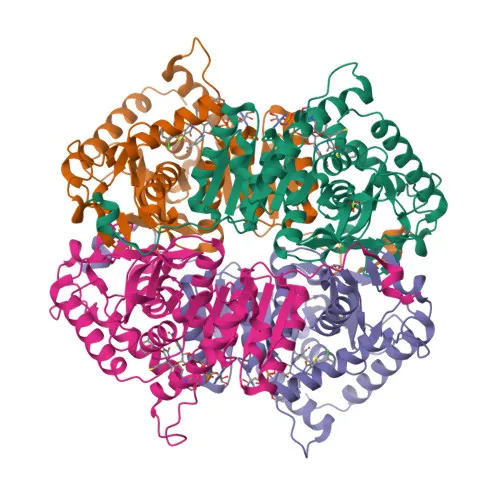
- LDHA encodes the muscle-type subunit (LDH-M) of the tetrameric lactate dehydrogenase enzyme, which can combine with LDHB to form five distinct isoenzymes with varying kinetic properties.
Experimental Guidance and Technical Tips
- The immunogen sequence corresponds to the N-terminal region (aa 1-100) of human LDHA; consider validating the antibody’s specificity in your experimental context using positive and negative controls.
- For IHC-P, optimize antigen retrieval and primary antibody dilution; tissues with high LDHA expression (e.g., skeletal muscle, liver) should show robust cytoplasmic staining.
- In IF/ICC, ensure proper cell fixation and permeabilization to detect the cytoplasmic LDHA signal; co-staining with organelle markers may assist in confirming localization.
- For ELISA, test the antibody in both direct and sandwich formats with appropriate standards and validate performance across the expected concentration range.
- Given the antibody's reported cross-reactivity with mouse LDHA, it may be suitable for studies in mouse models; however, confirm cross-reactivity in your specific assay system.
CamelBio: Your One-Stop Sourcing Bridge
CamelBio provides diagnostic manufacturers and research labs with comprehensive access to IVD raw materials, from validated antibodies and antigens to ancillary reagents. Our one-stop platform supports the development of glycolytic enzyme assays and cancer metabolism research by offering high-quality anti-LDHA antibodies and related reagents. For custom or bulk requirements, our team can source optimized antibody pairs and rare-target materials to advance your diagnostic projects from concept to clinic.
REQUEST A QUOTE
Our professional team will reply to you within one business day. Please feel free to contact us!