Monoclonal Antibodies
Anti-LDHA Monoclonal Antibody for WB and ELISA - P00338
Item Number : CM0007143
Price varies based on specs and customizations
- Application
- WB, ELISA
- Cross Reactivity
- Human, Mouse, Rat
- Protein Weight
- 26-39 kDa

Shipping:
Contact us to get shipping details Enjoy On-time Dispatch Guarantee.
Why Choose Us
Easy ordering process, quality products, and dedicated support for your business success.
Core Product Specifications and Parameters
| Parameter | Value |
|---|---|
| Product Name | LDHA Rabbit mAb |
| Remarks/Alias | LDHM; GSD11; PIG19; HEL-S-133P; LDHA |
| Species | Human |
| GeneID (Human) | 3939 |
| GeneID | 3939 |
| Immunogen | Recombinant protein |
| Source | Rabbit |
| Category | Monoclonal Antibodies |
| Application | WB, ELISA |
| Cross Reactivity | Human, Mouse, Rat |
| SWISS | P00338 |
| Protein Weight | 26-39 kDa |
| Shipping | Ice bag |
Biological Background: LDHA Function and Localization
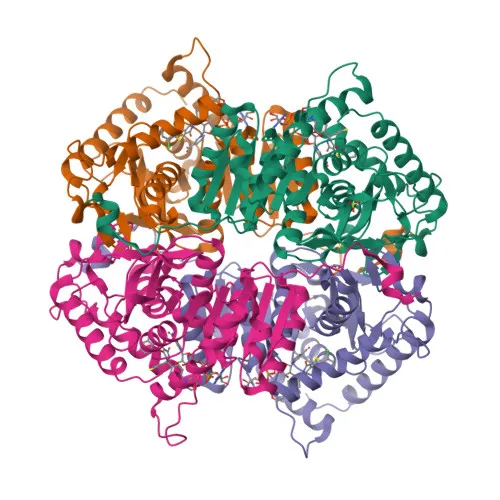
- LDHA (L-lactate dehydrogenase A chain), also known as LDH muscle subunit (LDH-M) or cell proliferation-inducing gene 19 protein, is encoded by the LDHA gene in humans (GeneID: 3939).
- It catalyzes the interconversion of pyruvate and lactate with simultaneous interconversion of NADH and NAD+, playing a key role in anaerobic glycolysis.
- Predominantly expressed in anaerobic tissues such as skeletal muscle and liver, reflecting its role in lactate production under low oxygen conditions.
- The protein localizes to the cytoplasm, where it assembles into homotetramers or heterotetramers with LDHB chains to form the classic lactate dehydrogenase isozymes.
- Alternative splicing generates multiple transcript variants, and the protein undergoes post-translational modifications including acetylation, phosphorylation, and ubiquitination.
- Mutations in LDHA are associated with glycogen storage disease XI (GSD11), underscoring its critical role in muscle energy metabolism.
- As a metabolic enzyme frequently upregulated in cancer cells (the Warburg effect), LDHA serves as a potential diagnostic and therapeutic target in oncology.
Experimental Guidance and Technical Tips
- Given that the immunogen corresponds to the C‑terminal region (aa 269–283), the antibody is expected to recognize full‑length LDHA and may also detect C‑terminal fragments if present.
- For Western blotting, consider using whole‑cell lysates from high‑LDHA‑expressing tissues such as skeletal muscle or liver; the predicted molecular weight range (26–39 kDa) should be verified empirically.
- In ELISA applications, the recombinant protein‑based immunogen suggests suitability for detection of native LDHA in serum or tissue extracts, but assay conditions (coating buffer, blocking agent, detection system) should be optimized for each sample matrix.
- As cross‑reactivity with mouse and rat LDHA is indicated, species‑relevant positive controls should be included to validate performance in non‑human samples.
CamelBio: Your One-Stop Sourcing Bridge
CamelBio is your one‑stop IVD raw‑material sourcing partner, providing validated monoclonal and polyclonal antibodies, optimized antibody pairs, and bulk ancillary reagents for diagnostic development. For researchers focused on metabolism and cancer, we offer LDHA‑specific reagents to support biomarker discovery and assay construction. Our team also assists with rare‑target raw‑material sourcing and technical consultation, helping you bridge the gap from concept to clinic efficiently.
REQUEST A QUOTE
Our professional team will reply to you within one business day. Please feel free to contact us!