Polyclonal Antibodies
Anti-LBR Polyclonal Antibody for WB, IF/ICC, ELISA - Q14739
Item Number : CM0027051
Price varies based on specs and customizations
- Application
- WB, IF/ICC, ELISA
- Cross Reactivity
- Human, Mouse, Rat
- Protein Weight
- 71kDa

Shipping:
Contact us to get shipping details Enjoy On-time Dispatch Guarantee.
Why Choose Us
Easy ordering process, quality products, and dedicated support for your business success.
Core Product Specifications and Parameters
| Parameter | Value |
|---|---|
| Product Name | LBR Rabbit pAb |
| Remarks/Alias | PHA; C14SR; LMN2R; PHASK; TDRD18; DHCR14B; LBR |
| Species | Human |
| GeneID (Human) | 3930 |
| Immunogen | Recombinant protein |
| Source | Rabbit |
| Category | Polyclonal Antibodies |
| Application | WB, IF/ICC, ELISA |
| Cross Reactivity | Human, Mouse, Rat |
| SWISS | Q14739 |
| Protein Weight | 71kDa |
| Shipping | Ice bag |
Biological Background: LBR Function and Localization
- LBR (lamin B receptor) is a dual-function protein possessing both sterol reductase activity and nuclear envelope anchoring capabilities.
- Catalyzes the reduction of the C14-unsaturated bond of lanosterol, a key step in the cholesterol biosynthesis pathway. Related references: PMID:12618959, PMID:16784888, PMID:21327084
- Plays a critical role in myeloid cell cholesterol biosynthesis, essential for cell growth, functional maturation, and possibly NADPH oxidase activation via membrane lipid raft formation.
- Anchors the lamina and heterochromatin to the inner nuclear membrane, contributing to nuclear architecture and chromatin organization. Related references: PMID:10828963
- Localizes to the nucleus inner membrane, endoplasmic reticulum membrane, cytoplasm, and nucleus, reflecting its multi-compartmental functions.
- Expressed in a wide range of tissues including bone marrow, liver, heart, adrenal gland, lung, placenta, uterus, and in osteoclasts and osteoblast-like cells. Related references: PMID:16784888, PMID:21327084
- Post-translational modifications such as acetylation and phosphorylation regulate its function, and mutations are linked to Pelger-Huet anomaly and dwarfism.
Experimental Guidance and Technical Tips
- For Western blot, LBR migrates near its predicted molecular weight of ~71 kDa. Validate band specificity using appropriate positive and negative controls, as post-translational modifications may cause slight shifts.
- In immunofluorescence/ICC, LBR exhibits a characteristic nuclear rim and endoplasmic reticulum staining pattern. Optimize fixation and permeabilization conditions to preserve epitope accessibility.
- ELISA applications may require careful selection of coating antigen and detection conditions; recombinant LBR protein or cell lysates can be used.
- Cross-reactivity against mouse and rat is confirmed; consider validating in other species if required, based on sequence homology of the immunogen region.
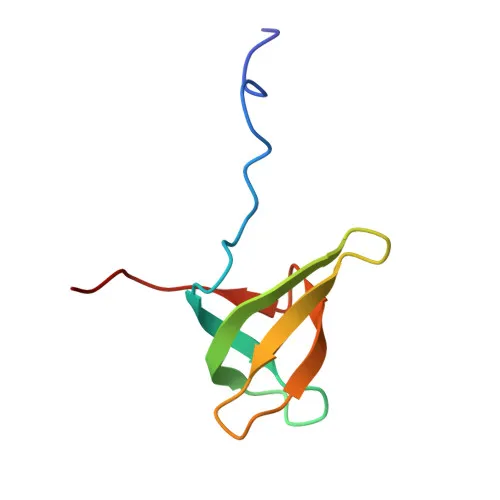
- The immunogen corresponds to the N-terminal region (amino acids 1-211), which may detect multiple potential isoforms or cleavage products; verify in your specific experimental system.
CamelBio: Your One-Stop Sourcing Bridge
CamelBio is your trusted one-stop partner for IVD raw materials, offering comprehensive support from concept to clinic. Our LBR polyclonal antibody enables robust detection in WB, IF/ICC, and ELISA, serving research in cholesterol metabolism and nuclear envelope biology. Beyond this antibody, we provide validated antibody pairs, bulk ancillary reagents, and customized raw-material sourcing to meet your diagnostic development needs.
REQUEST A QUOTE
Our professional team will reply to you within one business day. Please feel free to contact us!