Polyclonal Antibodies
Anti-LASP1 Polyclonal Antibody for WB, IF/ICC, IP, ELISA - Q14847
Item Number : CM0029312
Price varies based on specs and customizations
- Application
- WB, IF/ICC, IP, ELISA
- Cross Reactivity
- Human, Mouse, Rat
- Protein Weight
- 30kDa

Shipping:
Contact us to get shipping details Enjoy On-time Dispatch Guarantee.
Why Choose Us
Easy ordering process, quality products, and dedicated support for your business success.
Core Product Specifications and Parameters
| Parameter | Value |
|---|---|
| Product Name | LASP1 Rabbit pAb |
| Remarks/Alias | MLN50; Lasp-1; LASP1 |
| Species | Human |
| GeneID (Human) | 3927 |
| GeneID | 3927 |
| Immunogen | Recombinant fusion protein containing a sequence corresponding to amino acids 130-205 of human LASP1 (NP_006139.1) |
| Source | Rabbit |
| Category | Polyclonal Antibodies |
| Application | WB, IF/ICC, IP, ELISA |
| Cross Reactivity | Human, Mouse, Rat |
| SWISS | Q14847 |
| Protein Weight | 30kDa |
| Shipping | Ice bag |
Biological Background: LASP1 Function and Localization
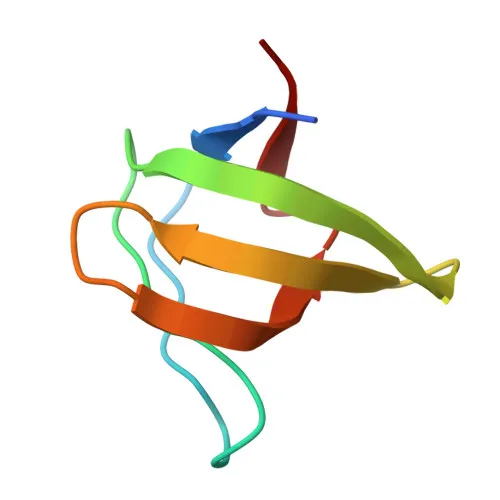
- LIM and SH3 domain protein 1 (LASP1), also known as MLN50 or Lasp-1, is an F-actin binding protein that plays a pivotal role in regulating dynamic actin-based cytoskeletal activities.
- LASP1 contains an N-terminal LIM domain and a C-terminal SH3 domain, which mediate protein-protein interactions and target it to sites of actin remodeling.
- Agonist-dependent phosphorylation of LASP1 may modulate actin-associated ion transport activities in secretory epithelial cells, such as parietal cells (By similarity).
- Subcellularly, LASP1 localizes to the cytoplasm, cell cortex, and cytoskeleton, consistent with its role in cytoskeletal organization.
- Post-translational modifications of LASP1 include phosphorylation, acetylation, and methylation, potentially fine-tuning its function in signaling pathways.
- LASP1 is implicated in cancer cell migration, invasion, and metastasis; its alias MLN50 (Metastatic lymph node gene 50 protein) underscores its association with metastatic progression.
- Alternative splicing of the LASP1 gene generates multiple isoforms, expanding its functional repertoire.
Experimental Guidance and Technical Tips
- The immunogen corresponds to amino acids 130–205, a region between the LIM and SH3 domains; this antibody is expected to detect multiple isoforms due to sequence conservation.
- This polyclonal antibody is suitable for WB, IF/ICC, IP, and ELISA; for each application, optimize the working dilution experimentally with appropriate positive and negative controls.
- The predicted molecular weight is approximately 30 kDa; verify the band size in your sample system, as post-translational modifications or isoforms may cause slight shifts.
- Cross-reactivity has been observed with human, mouse, and rat samples; if used in other species, perform validation experiments first.
CamelBio: Your One-Stop Sourcing Bridge
CamelBio serves as a comprehensive one-stop sourcing partner for IVD raw materials, supporting diagnostic manufacturers and research laboratories from concept to clinic. For studies on cytoskeletal dynamics and cancer metastasis, we offer validated antibody pairs, optimized monoclonal and polyclonal antibodies (including LASP1), and bulk ancillary reagents. Our supply capabilities also extend to rare-target raw material sourcing, helping you bridge the gap between discovery and translational development.
REQUEST A QUOTE
Our professional team will reply to you within one business day. Please feel free to contact us!