Polyclonal Antibodies
Anti-Langerin/CD207 Rabbit Polyclonal Antibody for WB, ELISA - Q9UJ71
Item Number : CM0026597
Price varies based on specs and customizations
- Application
- WB, ELISA
- Cross Reactivity
- Human, Mouse, Rat
- Protein Weight
- 37kDa

Shipping:
Contact us to get shipping details Enjoy On-time Dispatch Guarantee.
Why Choose Us
Easy ordering process, quality products, and dedicated support for your business success.
Core Product Specifications and Parameters
| Parameter | Value |
|---|---|
| Product Name | Langerin/CD207 Rabbit pAb |
| Remarks/Alias | CLEC4K; Langerin/CD207 |
| Species | Human |
| GeneID (Human) | 50489 |
| Immunogen | Recombinant fusion protein containing a sequence corresponding to amino acids 70-200 of human Langerin/CD207 (NP_056532.4) |
| Source | Rabbit |
| Category | Polyclonal Antibodies |
| Application | WB, ELISA |
| Cross Reactivity | Human, Mouse, Rat |
| SWISS | Q9UJ71 |
| Protein Weight | 37kDa |
| Shipping | Ice bag |
Biological Background: Langerin/CD207 Function and Localization
- Langerin, encoded by CD207, is a type II transmembrane C-type lectin receptor primarily expressed on Langerhans cells.
- Functions as a calcium-dependent lectin with mannose-binding specificity; induces Birbeck granule formation and regulates membrane superimposition and zippering.
- Recognizes a variety of glycans including sulfated structures, keratan sulfate, and β-glucans; facilitates antigen uptake and processing for presentation to T cells.
- Acts as a major receptor for fungal pathogens such as Candida, Saccharomyces, and Malassezia furfur on primary Langerhans cells.
- Plays a protective role against HIV-1 infection by binding high-mannose structures on viral envelope glycoproteins, directing the virus to Birbeck granules for degradation.
- Localizes to the plasma membrane and intracellular Birbeck granules; tissue expression is restricted to Langerhans cells and certain brain tumors (astrocytoma, malignant ependymoma).
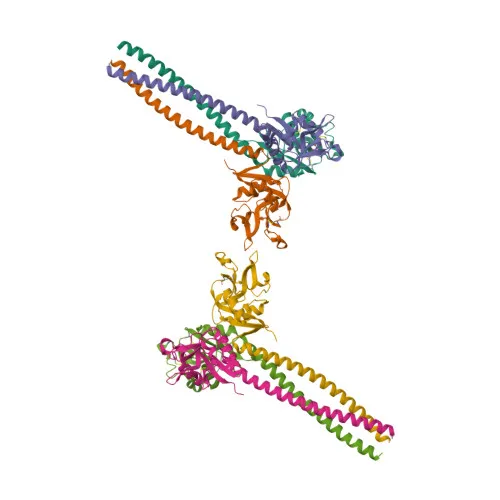
- Post-translational modifications include glycosylation and disulfide bond formation; structural features include a coiled-coil region and a single transmembrane helix.
Experimental Guidance and Technical Tips
- The immunogen corresponds to the extracellular domain (amino acids 70–200), which contains the carbohydrate recognition domain; consider optimizing sample preparation to preserve native conformation for WB.
- Predicted molecular weight is approximately 37 kDa; validate migration under reducing and non‑reducing conditions, as disulfide bonds may influence electrophoretic mobility.
- For ELISA, the antibody can be tested as a capture or detection reagent; verify performance with recombinant protein or cell lysates to establish working concentrations.
- Cross‑reactivity with mouse and rat suggests a conserved epitope; confirm specificity in the relevant tissue or cell line before quantitative assays.
CamelBio: Your One-Stop Sourcing Bridge
CamelBio specializes in providing integrated IVD raw material solutions for diagnostic manufacturers and research laboratories. With this anti‑Langerin/CD207 polyclonal antibody, we support your research into Langerin‑mediated immune functions and antigen presentation. Beyond individual antibodies, we offer validated antibody pairs, optimized monoclonal/polyclonal reagents, bulk ancillary materials, and rare‑target sourcing to accelerate your assay development from concept to clinic.
Product Datasheet
Anti-Langerin/CD207 Rabbit Polyclonal Antibody for WB, ELISA - Q9UJ71
REQUEST A QUOTE
Our professional team will reply to you within one business day. Please feel free to contact us!