Polyclonal Antibodies
Anti-LAMTOR1 Rabbit Polyclonal Antibody for WB, IF/ICC, ELISA - Q6IAA8
Item Number : CM0021948
Price varies based on specs and customizations
- Application
- WB, IF/ICC, ELISA
- Cross Reactivity
- Human, Mouse
- Protein Weight
- 18kDa

Shipping:
Contact us to get shipping details Enjoy On-time Dispatch Guarantee.
Why Choose Us
Easy ordering process, quality products, and dedicated support for your business success.
Core Product Specifications and Parameters
| Parameter | Value |
|---|---|
| Product Name | LAMTOR1 Rabbit pAb |
| Remarks/Alias | p18; PDRO; C11orf59; p27RF-Rho; Ragulator1; LAMTOR1 |
| Species | Human |
| GeneID (Human) | 55004 |
| GeneID | 55004 |
| Immunogen | Recombinant fusion protein containing a sequence corresponding to amino acids 1-161 of human LAMTOR1 (NP_060377.1) |
| Source | Rabbit |
| Category | Polyclonal Antibodies |
| Application | WB, IF/ICC, ELISA |
| Cross Reactivity | Human, Mouse |
| SWISS | Q6IAA8 |
| Protein Weight | 18kDa |
| Shipping | Ice bag |
Biological Background: LAMTOR1 Function and Localization
- Key component of the Ragulator complex that senses amino acids and activates mTORC1, a central regulator of cell growth and metabolism. Related references: PMID:20381137, PMID:22980980, PMID:29158492
- Functions as a guanine nucleotide exchange factor (GEF) for Rag small GTPases and recruits them to the lysosomal membrane, facilitating mTORC1 translocation. Related references: PMID:22053050, PMID:22980980, PMID:28935770
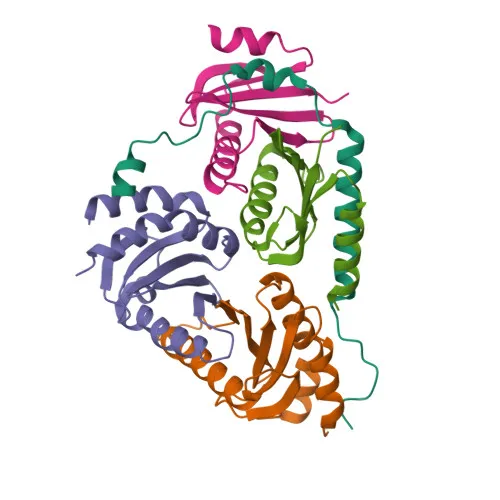
- Directly anchors the Ragulator complex to the lysosomal surface by wrapping around other subunits and interacting with Rag GTPases, essential for spatial positioning of mTORC1. Related references: PMID:31001086, PMID:32686708, PMID:28935770, PMID:29107538, PMID:29123114
- Participates in non-canonical activation of RagC and RagD (with FLCN) to drive embryonic stem cell differentiation via TFE3 inactivation, independent of mTOR.
- Required for late endosome/lysosome biogenesis and may modulate receptor recycling, MAPK signaling, and cholesterol homeostasis by regulating LDL uptake and intracellular cholesterol transport. Related references: PMID:20381137, PMID:22980980, PMID:20544018
- Localized to the membranes of late endosomes and lysosomes; undergoes lipidation (myristoylation, palmitoylation) and phosphorylation, which are critical for membrane targeting and function.
Experimental Guidance and Technical Tips
- The immunogen covers the full-length sequence (aa 1–161), suitable for detecting both native and denatured LAMTOR1 in Western blotting; consider using reducing conditions and lysate from cells with high mTOR activity.
- For immunofluorescence (IF/ICC), optimize fixation (e.g., 4% PFA) and permeabilization to detect the membrane‑associated protein on late endosomes/lysosomes; co‑staining with organelle markers is recommended.
- In ELISA applications, the antibody may serve as either capture or detection reagent; pairing with a monoclonal anti‑LAMTOR1 can be explored for sandwich assays.
- Due to high human–mouse sequence identity, cross‑reactivity is expected; however, always validate in the target species’ relevant cell or tissue lysates.
CamelBio: Your One-Stop Sourcing Bridge
As a comprehensive IVD raw-material partner, CamelBio streamlines procurement from concept to clinic. This anti‑LAMTOR1 antibody supports research into mTOR signaling, lysosome biology, and metabolic regulation—areas critical for diagnostic development. Beyond this catalog product, we offer validated antibody pairs, optimized monoclonal/polyclonal antibodies, bulk ancillary reagents, and tailored sourcing for rare‑target raw materials.
Product Datasheet
Anti-LAMTOR1 Rabbit Polyclonal Antibody for WB, IF/ICC, ELISA - Q6IAA8
REQUEST A QUOTE
Our professional team will reply to you within one business day. Please feel free to contact us!