Polyclonal Antibodies
Anti-LAIR1 Rabbit Polyclonal Antibody for WB and ELISA - Q6GTX8
Item Number : CM0017448
Price varies based on specs and customizations
- Application
- WB, ELISA
- Cross Reactivity
- Human
- Protein Weight
- 31kDa

Shipping:
Contact us to get shipping details Enjoy On-time Dispatch Guarantee.
Why Choose Us
Easy ordering process, quality products, and dedicated support for your business success.
Core Product Specifications and Parameters
| Parameter | Value |
|---|---|
| Product Name | LAIR1 Rabbit pAb |
| Remarks/Alias | CD305; LAIR-1; LAIR1 |
| Species | Human |
| Gene ID | 3903 |
| Immunogen | Recombinant fusion protein containing a sequence corresponding to amino acids 22-163 of human LAIR1 (NP_002278.2) |
| Source | Rabbit |
| Category | Polyclonal Antibodies |
| Application | WB, ELISA |
| Cross Reactivity | Human |
| SWISS | Q6GTX8 |
| Protein Weight | 31kDa |
| Shipping | Ice bag |
Biological Background: LAIR1 Function and Localization
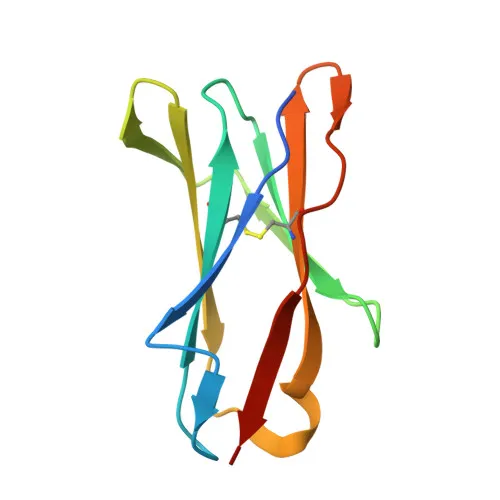
- LAIR1 (Leukocyte-associated immunoglobulin-like receptor 1), also known as CD305, is a single-pass type I membrane receptor containing one Ig-like C2-type domain.
- It functions as an inhibitory receptor on natural killer (NK) cells, B-cells, and T-cells, playing a constitutive negative regulatory role in cytolytic function.
- Upon activation, LAIR1 undergoes tyrosine phosphorylation, recruiting phosphatases PTPN6 and PTPN11 to mediate inhibitory signaling. It also reduces B-cell receptor-induced intracellular calcium mobilization and can operate independently of SH2-containing phosphatases.
- In CD4+ T-cells, LAIR1 modulates cytokine production by down-regulating IL-2 and IFN-γ while inducing TGF-β secretion. In B-cells, it reduces IgG and IgE production, as well as IL-8, IL-10, and TNF secretion.
- The receptor inhibits proliferation and induces apoptosis in myeloid leukemia cell lines, partly by preventing nuclear translocation of NF-κB p65/RELA and phosphorylation of IκBα/CHUK. It also suppresses differentiation of peripheral blood precursors towards dendritic cells.
- LAIR1 is broadly expressed on peripheral mononuclear cells, including NK cells, T-cells, B-cells, monocytes, and dendritic cells. Expression is high in naïve T- and B-cells but absent in germinal center B-cells, and can be abnormally low in HIV-1-infected patients or chronic active Epstein-Barr virus infection.
- Subcellularly, LAIR1 localizes to the cell membrane, consistent with its role as a transmembrane receptor.
- Post-translational modifications include disulfide bonds, glycosylation, and phosphorylation. The mature protein has a calculated molecular weight of approximately 31.5 kDa.
Experimental Guidance and Technical Tips
- This polyclonal antibody was raised against a recombinant protein corresponding to amino acids 22-163 of human LAIR1, covering the extracellular Ig-like domain. Consider this region's accessibility in native versus denaturing conditions when designing WB or ELISA experiments.
- WB and ELISA are suggested applications; consider validating the antibody in relevant sample systems such as human PBMCs or LAIR1-expressing cell lines.
- Due to LAIR1's low expression in certain disease states, ensure appropriate positive and negative controls.
- As a polyclonal antibody, lot-to-lot consistency may vary; consider screening and pre-qualification for large-scale studies.
CamelBio: Your One-Stop Sourcing Bridge
CamelBio offers a comprehensive portfolio of IVD raw materials, including validated antibodies, recombinant proteins, and ancillary reagents. As a one-stop sourcing partner, we support diagnostic manufacturers and researchers from concept to clinic with tailored supply solutions. This LAIR1 antibody is ideal for immunological and cancer-related assay development, and our team can assist with bulk orders, custom formulations, and related reagent sourcing.
REQUEST A QUOTE
Our professional team will reply to you within one business day. Please feel free to contact us!