Monoclonal Antibodies
Anti-KPNA6 Monoclonal Antibody for WB - O60684
Item Number : CM0006846
Price varies based on specs and customizations
- Application
- WB, IHC-P, IF/ICC, ELISA
- Cross Reactivity
- Human, Mouse, Rat
- Protein Weight
- 60 kDa

Shipping:
Contact us to get shipping details Enjoy On-time Dispatch Guarantee.
Why Choose Us
Easy ordering process, quality products, and dedicated support for your business success.
Core Product Specifications and Parameters
| Parameter | Value |
|---|---|
| Product Name | KPNA6 Rabbit PolymAb® |
| Remarks/Alias | IPOA7; KPNA6 |
| Species | Human |
| Gene ID (Human) | 23633 |
| Gene ID | 23633 |
| Immunogen | Synthetic peptide|A synthetic peptide corresponding to a sequence within amino acids 69-169 of human KPNA6 (NP_036448.1). |
| Source | Rabbit |
| Category | Monoclonal Antibodies |
| Application | WB, IHC-P, IF/ICC, ELISA |
| Cross Reactivity | Human, Mouse, Rat |
| SWISS | O60684 |
| Protein Weight | 60 kDa |
| Shipping | Ice bag |
Biological Background: Importin Subunit Alpha-7 (KPNA6) Function and Localization
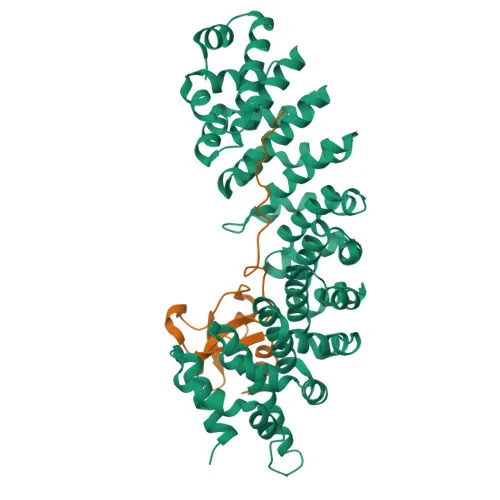
- KPNA6, also known as importin subunit alpha-7 or karyopherin subunit alpha-6, is a member of the importin alpha family, which mediates the nuclear import of proteins.
- It functions as an adapter that recognizes and binds to nuclear localization signals (NLS) on cargo proteins, facilitating their transport into the nucleus via interaction with importin-beta (KPNB1).
- The importin alpha/beta-cargo complex docks at the nuclear pore complex (NPC) through binding of KPNB1 to nucleoporin FxFG repeats, and is translocated through the pore in a Ran-GTP-dependent manner.
- At the nucleoplasmic side, Ran-GTP binding to importin-beta triggers complex disassembly, with importin alpha and beta recycled back to the cytoplasm after GTP hydrolysis.
- KPNA6 is widely expressed in tissues, consistent with its fundamental role in nucleocytoplasmic trafficking.
- Post-translational modifications of KPNA6 include acetylation and phosphorylation, which may regulate its activity or interactions.
- The protein plays a role in host-virus interactions, as viral proteins often hijack host importins to enter the nucleus.
Experimental Guidance and Technical Tips
- The immunogen corresponds to a synthetic peptide spanning amino acids 69-169 of human KPNA6 (NP_036448.1); this region is likely conserved and may contribute to the antibody's cross-reactivity with mouse and rat.
- The antibody is validated for Western blotting (WB), immunohistochemistry (IHC-P), immunofluorescence (IF/ICC), and ELISA; consider appropriate sample preparation and detection protocols for each application.
- For WB, the predicted molecular weight of KPNA6 is 60 kDa; use appropriate molecular weight markers and verify band specificity in relevant lysates.
- Since KPNA6 is widely expressed, note potential endogenous expression in many cell lines when designing controls.
CamelBio: Your One-Stop Sourcing Bridge
CamelBio provides diagnostic manufacturers, labs, and research institutes with one-stop access to IVD raw materials, technical services, and consulting—covering every stage from concept to clinic. For KPNA6-related research and immunoassay development, we offer validated antibody pairs, optimized monoclonal antibodies, bulk ancillary reagents, and rare target raw-material sourcing. Partner with us to streamline your procurement and accelerate your diagnostics pipeline.
REQUEST A QUOTE
Our professional team will reply to you within one business day. Please feel free to contact us!