Polyclonal Antibodies
Anti-KLRD1 (CD94) Rabbit Polyclonal Antibody for WB, ELISA - Q13241
Item Number : CM0015452
Price varies based on specs and customizations
- Application
- WB, ELISA
- Cross Reactivity
- Human, Mouse, Rat
- Protein Weight
- 21kDa

Shipping:
Contact us to get shipping details Enjoy On-time Dispatch Guarantee.
Why Choose Us
Easy ordering process, quality products, and dedicated support for your business success.
Core Product Specifications and Parameters
| Parameter | Value |
|---|---|
| Product Name | KLRD1 Rabbit pAb |
| Remarks/Alias | CD94; KLRD1 |
| Species | Human |
| GeneID (Human) | 3824 |
| GeneID | 3824 |
| Immunogen | Recombinant fusion protein containing a sequence corresponding to amino acids 32-179 of human KLRD1 (NP_002253.2). |
| Source | Rabbit |
| Category | Polyclonal Antibodies |
| Application | WB, ELISA |
| Cross Reactivity | Human, Mouse, Rat |
| SWISS | Q13241 |
| Protein Weight | 21kDa |
| Shipping | Ice bag |
Biological Background: KLRD1 Function and Localization
- KLRD1 (CD94, KP43) is a type II transmembrane immune receptor lacking intrinsic signaling capacity. It forms heterodimers with KLRC1 or KLRC2 to recognize the non-classical MHC class Ib molecule HLA-E. This complex enables cytotoxic lymphocytes to monitor MHC class I expression and maintain self-tolerance. Related references: PMID:10023772, PMID:18064301, PMID:18083576, PMID:12387742, PMID:9430220
- The KLRD1-KLRC1 complex functions as an inhibitory receptor. Upon HLA-E-peptide binding, it recruits phosphatases SHIP-1/SHIP-2 through ITIMs, opposing activating signals. This dominantly regulates NK cell activation and memory/effector CD8+ T cell responses, preventing autoimmunity. In tumor microenvironments, this axis may drive T and NK cell exhaustion. Related references: PMID:12387742, PMID:30860984, PMID:9430220, PMID:9485206, PMID:30503213, PMID:12165520
- The KLRD1-KLRC2 complex acts as an activating receptor. It recognizes HLA-E loaded with HLA-G signal peptides, triggering cell activation via the DAP12 adapter. This pathway contributes to adaptive NK cell responses and maternal-fetal tolerance. Related references: PMID:15940674, PMID:9655483, PMID:30134159, PMID:9754572, PMID:20952657, PMID:21825173
- Microbial immune evasion: Viruses such as HCMV, HIV-1, and SARS-CoV-2 exploit the KLRD1-HLA-E axis. HCMV presents UL40 peptide to inhibit NK cytotoxicity; HIV-1 uses a p24-derived peptide to escape immune recognition; SARS-CoV-2 Spike S1 peptide may induce NK cell exhaustion. Related references: PMID:32859121
- Subcellular localization: KLRD1 is anchored at the cell membrane via a single transmembrane helix.
- Tissue specificity: Expressed at the protein level in NK cell subsets, memory/effector CD8+ αβ T cells, melanoma-specific cytotoxic T cell clones, and terminally differentiated γδ T cells. KLRD1-KLRC1 and KLRD1-KLRC2 are differentially expressed, with only minor subsets co-expressing both. Related references: PMID:21825173, PMID:9430220, PMID:9485206, PMID:12387742, PMID:20952657
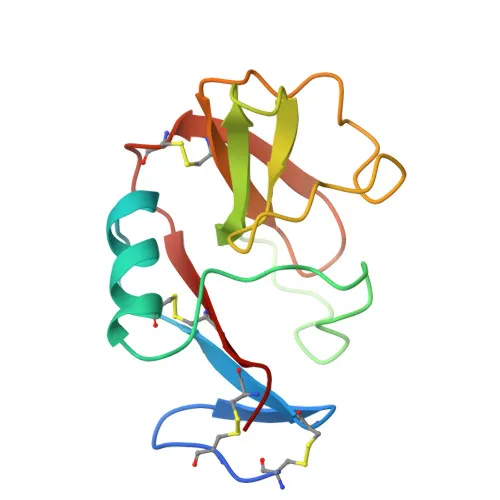
- Post-translational modifications and structural features: KLRD1 is a glycoprotein with disulfide bonds and alternative splicing. It contains a C-type lectin-like domain and a signal-anchor transmembrane segment.
Experimental Guidance and Technical Tips
- The immunogen spans the extracellular lectin-like domain (aa 32-179). The antibody may detect both monomeric KLRD1 and its heterodimers with KLRC1/KLRC2.
- For Western blot, the predicted molecular weight is ~21 kDa; glycosylation may cause a higher apparent mass. Validate band specificity using relevant NK or T cell lines.
- For ELISA, consider using this antibody to capture recombinant KLRD1 or native HLA-E:KLRD1 complexes. Optimize coating conditions and dilution for your specific assay format.
- Cross-reactivity with mouse and rat is reported, but homology in the immunogen region should be verified by sequence alignment before applying to these species.
CamelBio: Your One-Stop Sourcing Bridge
CamelBio is a specialized IVD raw-materials partner, offering comprehensive sourcing solutions for diagnostic manufacturers and laboratories. This anti-KLRD1 antibody supports research in immune checkpoint biology and infectious disease; CamelBio can further supply validated antibody pairs, optimized monoclonal antibodies, and ancillary reagents—streamlining your assay development and production workflows.
REQUEST A QUOTE
Our professional team will reply to you within one business day. Please feel free to contact us!