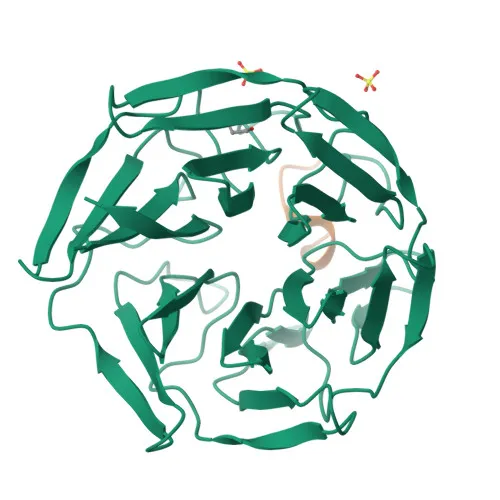
Polyclonal Antibodies
Anti-KLHL3 Polyclonal Antibody for WB, ELISA - Q9UH77
Item Number : CM0013961
Price varies based on specs and customizations
- Application
- WB, ELISA
- Cross Reactivity
- Human, Mouse
- Protein Weight
- 65kDa

Shipping:
Contact us to get shipping details Enjoy On-time Dispatch Guarantee.
Why Choose Us
Easy ordering process, quality products, and dedicated support for your business success.
Core Product Specifications and Parameters
| Parameter | Value |
|---|---|
| Product Name | KLHL3 Rabbit pAb |
| Remarks/Alias | PHA2D; KLHL3 |
| Species | Human |
| Gene ID (Human) | 26249 |
| Gene ID | 26249 |
| Immunogen | Recombinant fusion protein containing a sequence corresponding to amino acids 1-110 of human KLHL3 (NP_059111.2) |
| Source | Rabbit |
| Category | Polyclonal Antibodies |
| Application | WB, ELISA |
| Cross Reactivity | Human, Mouse |
| SWISS | Q9UH77 |
| Protein Weight | 65kDa |
| Shipping | Ice bag |
Biological Background: KLHL3 Function and Localization
- KLHL3 is a substrate-specific adapter of a BCR (BTB-CUL3-RBX1) E3 ubiquitin ligase complex that acts as a regulator of ion transport in the distal nephron.
Related references:
PMID:14528312
PMID:22406640
PMID:23387299 - The BCR(KLHL3) complex mediates ubiquitination and degradation of WNK1 and WNK4, two activators of the Na-Cl cotransporter SLC12A3/NCC in distal convoluted tubule cells, thereby regulating NaCl reabsorption.
Related references:
PMID:23387299
PMID:23453970
PMID:23576762 - The BCR(KLHL3) complex also targets WNK3 for ubiquitination and degradation.
Related references:
PMID:35179207 - KLHL3 mediates ubiquitination of the tight-junction protein CLDN8, which is required for paracellular chloride transport in the kidney, leading to its degradation (By similarity).
- Subcellularly, KLHL3 localizes to the cytoplasm, cytosol, and cytoskeleton.
- KLHL3 is widely expressed in tissues and contains BTB and Kelch repeat domains characteristic of the KLHL family.
- The protein is involved in actin binding and is associated with pseudohypoaldosteronism type II (PHA2D) when mutated, as reflected in disease variant keywords.
Experimental Guidance and Technical Tips
- The immunogen comprises amino acids 1–110 of human KLHL3, a region anticipated to include the N-terminal BTB domain, making the antibody suitable for detecting full-length KLHL3 in Western blot under denaturing and reducing conditions. Verify the observed band at ~65 kDa; additional bands may arise from post-translational modifications or alternative splicing.
- For ELISA, consider using the antibody as a capture or detection reagent; optimize coating and blocking conditions for your specific assay format.
- Since cross-reactivity is expected with mouse KLHL3, validate reactivity in the relevant mouse tissue or cell line, and include appropriate species-specific controls to assess specificity.
CamelBio: Your One-Stop Sourcing Bridge
CamelBio provides diagnostic manufacturers, laboratories, and research institutes with streamlined access to a comprehensive portfolio of IVD raw materials. For studies focused on renal ion transport and ubiquitination pathways, we offer validated antibodies, recombinant proteins, and ancillary reagents to support your assay development. Whether you require established antibody pairs, bulk quantities of polyclonals, or rare-target raw-material sourcing, CamelBio acts as your procurement bridge from concept to clinic.
REQUEST A QUOTE
Our professional team will reply to you within one business day. Please feel free to contact us!