Polyclonal Antibodies
Anti-KLC2 Rabbit Polyclonal Antibody for WB and ELISA - Q9H0B6
Item Number : CM0022455
Price varies based on specs and customizations
- Application
- WB, ELISA
- Cross Reactivity
- Human, Mouse, Rat
- Protein Weight
- 69kDa

Shipping:
Contact us to get shipping details Enjoy On-time Dispatch Guarantee.
Why Choose Us
Easy ordering process, quality products, and dedicated support for your business success.
Core Product Specifications and Parameters
| Parameter | Value |
|---|---|
| Product Name | KLC2 Rabbit pAb |
| Remarks/Alias | KLC2; SPOAN |
| Species | Human |
| Gene ID (Human) | 64837 |
| Gene ID | 64837 |
| Immunogen | Recombinant fusion protein containing a sequence corresponding to amino acids 1-90 of human KLC2 (NP_073733.1). |
| Source | Rabbit |
| Category | Polyclonal Antibodies |
| Application | WB, ELISA |
| Cross Reactivity | Human, Mouse, Rat |
| SWISS | Q9H0B6 |
| Protein Weight | 69kDa |
| Shipping | Ice bag |
Biological Background: KLC2 Function and Localization
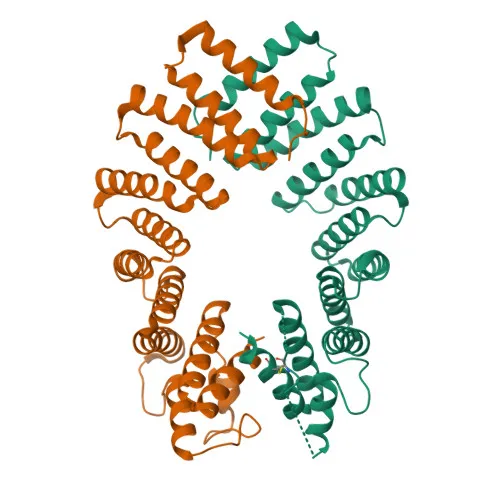
- KLC2 encodes kinesin light chain 2, a component of the kinesin-1 motor complex that drives microtubule-based transport of organelles and vesicles.
- The light chain functions as an adaptor, coupling cargoes to the kinesin heavy chain and modulating its ATPase activity, thereby regulating motor processivity.
- KLC2 is known to recruit kinesin-1 to lysosomes by binding PLEKHM2 and ARL8B, directing lysosome movement toward the microtubule plus ends, which is critical for cellular clearance and signaling. Related references: PMID:22172677
- The protein localizes predominantly to the cytoplasm and cytoskeleton, with specific association with the lysosomal membrane, consistent with its role in lysosomal transport.
- KLC2 belongs to a multigene family including KLC1, KLC3, and KLC4, and undergoes alternative splicing to produce isoforms that may fine-tune cargo selectivity.
- Mutations in KLC2 are linked to hereditary spastic paraplegia and neurodegeneration, underscoring its importance in neuronal maintenance and axonal transport.
- Post-translational modifications, including phosphorylation, regulate KLC2 activity and cargo binding, and the protein contains multiple TPR repeats that mediate protein–protein interactions.
Experimental Guidance and Technical Tips
- The immunogen corresponds to the N-terminal region (amino acids 1-90) of KLC2, which may recognize both full-length and N-terminal-truncated isoforms; validation in the relevant sample system is advised.
- For Western blotting, the predicted molecular weight is ~69 kDa; consider using appropriate positive controls from human, mouse, or rat tissue/cell lysates where KLC2 is expressed.
- In ELISA applications, the antibody can be used as a capture or detection reagent; optimization of coating concentrations and blocking conditions is recommended.
- Due to the role of KLC2 in vesicular transport, co-localization studies may require mild permeabilization to preserve organelle integrity; confirm antibody specificity under your experimental conditions.
- Cross-reactivity with mouse and rat has been demonstrated, but sequence alignment across species is recommended if extending to other organisms.
CamelBio: Your One-Stop Sourcing Bridge
CamelBio is your dedicated sourcing partner for IVD raw materials, providing one-stop access to high-quality antibodies and ancillary reagents. This KLC2 polyclonal antibody supports research into organelle transport and neurodegenerative disease, and CamelBio can supply optimized monoclonal/polyclonal antibodies, validated antibody pairs, and bulk raw materials to accelerate your diagnostic or research workflow. For rare targets or custom sourcing needs, our team offers expert consultation and reliable supply chains to bridge your concept to clinic.
REQUEST A QUOTE
Our professional team will reply to you within one business day. Please feel free to contact us!