Polyclonal Antibodies
Anti-KDM5C Rabbit Polyclonal Antibody for WB and ELISA - P41229
Item Number : CM0013097
Price varies based on specs and customizations
- Application
- WB, ELISA
- Cross Reactivity
- Human, Mouse, Rat
- Protein Weight
- 176kDa

Shipping:
Contact us to get shipping details Enjoy On-time Dispatch Guarantee.
Why Choose Us
Easy ordering process, quality products, and dedicated support for your business success.
Core Product Specifications and Parameters
| Parameter | Value |
|---|---|
| Product Name | KDM5C Rabbit pAb |
| Remarks/Alias | MRXJ; SMCX; MRX13; MRXSJ; XE169; MRXSCJ; JARID1C; DXS1272E; KDM5C |
| Species | Human |
| Gene ID (Human) | 8242 |
| Gene ID | 8242 |
| Immunogen | Synthetic Peptide - A synthetic peptide corresponding to a sequence within amino acids 1400 to the C-terminus of human KDM5C (XP_011529128.1). |
| Source | Rabbit |
| Category | Polyclonal Antibodies |
| Application | WB, ELISA |
| Cross Reactivity | Human, Mouse, Rat |
| SWISS | P41229 |
| Protein Weight | 176kDa |
| Shipping | Ice bag |
Biological Background: KDM5C Function and Localization
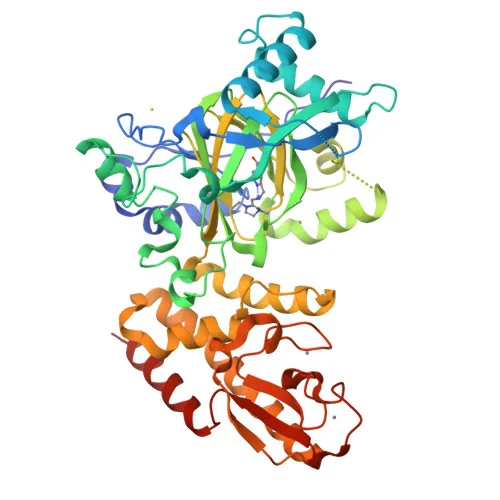
- Lysine-specific demethylase 5C (KDM5C), also known as JARID1C, SMCX, and XE169, is a histone demethylase that specifically demethylates trimethylated and dimethylated 'Lys-4' of histone H3 (H3K4me3/2), playing a central role in histone code regulation. Related references: PMID:28262558
- KDM5C does not demethylate histone H3 'Lys-9', 'Lys-27', 'Lys-36', 'Lys-79', or H4 'Lys-20'.
- It participates in transcriptional repression by recruiting histone deacetylases and REST at neuron-restrictive silencer elements, and represses CLOCK-BMAL1-mediated transcriptional activation of the core clock component PER2.
- KDM5C is localized to the nucleus.
- It is expressed in all tissues examined, with highest levels found in brain and skeletal muscle.
- KDM5C belongs to the Jumonji/ARID domain-containing protein family and requires iron and zinc cofactors for its dioxygenase activity.
- The protein undergoes phosphorylation and ubiquitin-like conjugation (Ubl conjugation), which may regulate its stability or activity.
- Alternative splicing of KDM5C generates multiple isoforms, and it is associated with intellectual disability when mutated.
Experimental Guidance and Technical Tips
- The immunogen for this antibody is a synthetic peptide from the C-terminal region (amino acids 1400 to C-terminus) of human KDM5C. This suggests that the antibody may recognize epitopes in the C-terminal domain.
- For Western blot, note the predicted molecular weight of ~176 kDa. Use appropriate SDS-PAGE conditions (e.g., low percentage gel, extended transfer time) to resolve high molecular weight proteins.
- The reported cross-reactivity with mouse and rat allows the antibody to be explored across these species; however, it is advisable to validate performance in the relevant sample system.
- For ELISA applications, the peptide immunogen can be used as a positive control to assess antibody binding.
CamelBio: Your One-Stop Sourcing Bridge
CamelBio provides diagnostic manufacturers and research labs with a single access point for IVD raw materials, covering the full spectrum from concept to clinic. For projects targeting histone modification and transcriptional regulation, we offer validated antibody pairs, optimized monoclonal and polyclonal antibodies, and bulk ancillary reagents tailored to your needs. Our sourcing network extends to rare and emerging targets like KDM5C, ensuring you can secure the critical raw materials required for robust assay development.
REQUEST A QUOTE
Our professional team will reply to you within one business day. Please feel free to contact us!