Polyclonal Antibodies
Anti-KCTD15 Polyclonal Antibody for WB and ELISA - Q96SI1
Item Number : CM0026591
Price varies based on specs and customizations
- Application
- WB, ELISA
- Cross Reactivity
- Human, Mouse, Rat
- Molecular Weight
- ~32 kDa

Shipping:
Contact us to get shipping details Enjoy On-time Dispatch Guarantee.
Why Choose Us
Easy ordering process, quality products, and dedicated support for your business success.
Core Product Specifications and Parameters
| Parameter | Value |
|---|---|
| Product Name | KCTD15 Rabbit pAb |
| Remarks/Alias | KCTD15 |
| Species | Human |
| Gene ID (Human) | 79047 |
| Gene ID | 79047 |
| Immunogen | Recombinant fusion protein containing a sequence corresponding to amino acids 1-234 of human KCTD15 (NP_076981.2) |
| Source | Rabbit |
| Category | Polyclonal Antibodies |
| Application | WB, ELISA |
| Cross Reactivity | Human, Mouse, Rat |
| SWISS | Q96SI1 |
| Protein Weight | 32kDa |
| Shipping | Ice bag |
Biological Background: KCTD15 Function and Localization
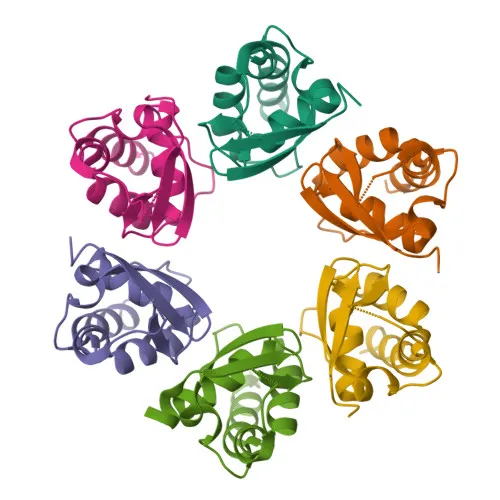
- KCTD15, also known as potassium channel tetramerization domain-containing protein 15, is a member of the BTB/POZ domain-containing protein family.
- It contains a BTB/POZ domain, which mediates protein-protein interactions and is implicated in transcriptional regulation.
- During embryonic development, KCTD15 plays a critical role in neural crest formation (By similarity).
- KCTD15 inhibits AP2 transcriptional activity by interacting with its activation domain, thereby modulating gene expression (PubMed:23382213). Related references: PMID:23382213
- Localizes predominantly to the nucleus, consistent with its role in transcriptional regulation.
- The gene undergoes alternative splicing, producing multiple isoforms; the canonical isoform has a molecular weight of approximately 32 kDa.
- KCTD15 is a phosphoprotein, and phosphorylation may regulate its activity and interactions.
- Mutations or variants in KCTD15 have been associated with disease phenotypes, highlighting its developmental importance.
Experimental Guidance and Technical Tips
- The immunogen corresponds to amino acids 1-234 of human KCTD15, covering the full-length protein except possibly a short C-terminal region. This design may generate antibodies recognizing multiple isoforms.
- For Western blotting, a band of approximately 32 kDa is expected for the canonical isoform; additional bands from splice variants may be observed. Validate in the relevant sample system.
- For ELISA, consider coating with the immunogen or full-length recombinant protein as a positive control.
- Due to cross-reactivity with mouse and rat, this antibody is suitable for studies in rodent models; however, users should verify by sequence alignment and pilot experiments.
- Optimal working dilutions should be determined empirically for each application and sample type.
CamelBio: Your One-Stop Sourcing Bridge
CamelBio bridges the gap between research and clinical supply by offering a comprehensive portfolio of IVD antibodies and ancillary reagents. This anti-KCTD15 polyclonal antibody exemplifies our commitment to providing high-quality raw materials for transcription and development studies. Contact us for your sourcing needs, from single batches to large-scale production.
REQUEST A QUOTE
Our professional team will reply to you within one business day. Please feel free to contact us!