Polyclonal Antibodies
Anti-KCNE2 Rabbit Polyclonal Antibody for WB, ELISA - Q9Y6J6
Item Number : CM0030350
Price varies based on specs and customizations
- Application
- WB, ELISA
- Cross Reactivity
- Human, Mouse
- Protein Weight
- 14kDa

Shipping:
Contact us to get shipping details Enjoy On-time Dispatch Guarantee.
Why Choose Us
Easy ordering process, quality products, and dedicated support for your business success.
Core Product Specifications and Parameters
| Parameter | Value |
|---|---|
| Product Name | KCNE2 Rabbit pAb |
| Remarks/Alias | LQT5; LQT6; ATFB4; MIRP1; KCNE2 |
| Species | Human |
| GeneID (human) | 9992 |
| GeneID | 9992 |
| Immunogen | A synthetic peptide corresponding to a sequence within amino acids 1-100 of human KCNE2 (NP_751951.1). |
| Source | Rabbit |
| Category | Polyclonal Antibodies |
| Application | WB, ELISA |
| Cross Reactivity | Human, Mouse |
| SWISS | Q9Y6J6 |
| Protein Weight | 14kDa |
| Shipping | Ice bag |
Biological Background: KCNE2 Function and Localization
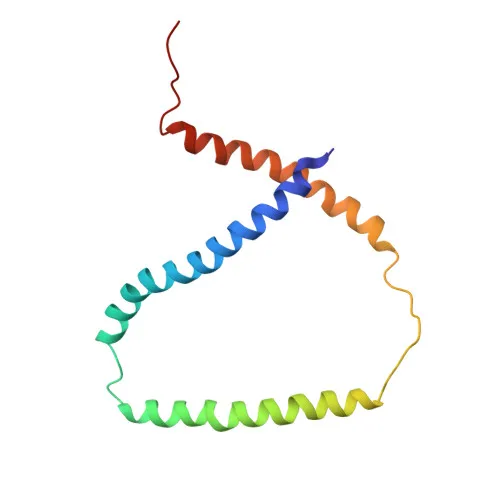
- KCNE2, also known as MinK-related peptide 1 (MiRP1), is an ancillary regulatory beta subunit of voltage-gated potassium (Kv) channel complexes. It modulates gating kinetics and enhances channel stability. Related references: PMID:10219239 PMID:11034315 PMID:11101505
- In the heart, KCNE2 associates with the KCNH2/HERG alpha subunit to form the rapidly activating component of the delayed rectifier potassium current (IKr), which is critical for cardiac action potential repolarization. Related references: PMID:10219239 PMID:12185453
- KCNE2 also modifies the gating properties of Kv channels containing KCNB1 alpha subunits and may modulate neuronal M-type currents by interacting with KCNQ2/KCNQ3 alpha subunits. Related references: PMID:11101505 PMID:20533308 PMID:11034315
- Heteromeric KCNQ1-KCNE2 channels exhibit distinct biophysical properties, including instantaneous activation and a linear current-voltage relationship, and are implicated in myo-inositol transport in the choroid plexus epithelium (By similarity).
- KCNE2 is localized at the cell membrane, particularly the apical membrane in polarized cells, consistent with its role in ion transport.
- The protein is highly expressed in brain, heart, skeletal muscle, pancreas, and kidney, with lower levels in liver and immune cells. Mutations in KCNE2 are associated with cardiac arrhythmias, including Long QT syndrome (LQT5, LQT6) and atrial fibrillation (ATFB4).
- Post-translational modifications include glycosylation, and the primary sequence contains a single transmembrane helix domain.
Experimental Guidance and Technical Tips
- The immunogen corresponds to the N-terminal intracellular region (aa 1–100) of human KCNE2, which is expected to produce antibodies recognizing the full-length protein in denaturing and native conditions.
- For Western blotting, the predicted molecular weight is ~14 kDa (UniProt: 14.5 kDa), but glycosylation may result in a slightly higher apparent mass; validate in relevant tissue or cell lysates.
- Given the cross-reactivity with mouse KCNE2, sequence alignment of the immunogen region shows high similarity between human and mouse; consider verifying specificity by siRNA knockdown or knockout controls.
- For ELISA, use the recombinant KCNE2 peptide or protein as coating antigen; the antibody is suitable for detecting KCNE2 in samples from brain, heart, or kidney tissues.
CamelBio: Your One-Stop Sourcing Bridge
CamelBio provides diagnostic manufacturers and research laboratories with a comprehensive range of IVD raw materials, including validated antibody pairs, optimized immunoglobulin fractions, and bulk ancillary reagents. For cardiovascular biomarker development or ion channel research, we offer one-stop sourcing of high-quality anti-KCNE2 antibodies and related proteins. Leverage our technical consulting to accelerate your assay development from concept to clinic.
REQUEST A QUOTE
Our professional team will reply to you within one business day. Please feel free to contact us!