Polyclonal Antibodies
Anti-KATNA1 Rabbit Polyclonal Antibody for WB, IHC-P, ELISA - O75449
Item Number : CM0023353
Price varies based on specs and customizations
- Application
- WB, IHC-P, ELISA
- Cross Reactivity
- Human, Mouse, Rat
- Protein Weight
- 56kDa

Shipping:
Contact us to get shipping details Enjoy On-time Dispatch Guarantee.
Why Choose Us
Easy ordering process, quality products, and dedicated support for your business success.
Core Product Specifications and Parameters
| Parameter | Value |
|---|---|
| Product Name | KATNA1 Rabbit pAb |
| Remarks/Alias | KATNA1 |
| Species | Human |
| GeneID (Human) | 11104 |
| GeneID | 11104 |
| Immunogen | Recombinant protein|Recombinant fusion protein containing a sequence corresponding to amino acids 1-167 of human KATNA1 (NP_001191005.1). |
| Source | Rabbit |
| Category | Polyclonal Antibodies |
| Application | WB, IHC-P, ELISA |
| Cross Reactivity | Human, Mouse, Rat |
| SWISS | O75449 |
| Protein Weight | 56kDa |
| Shipping | Ice bag |
Biological Background: KATNA1 Function and Localization
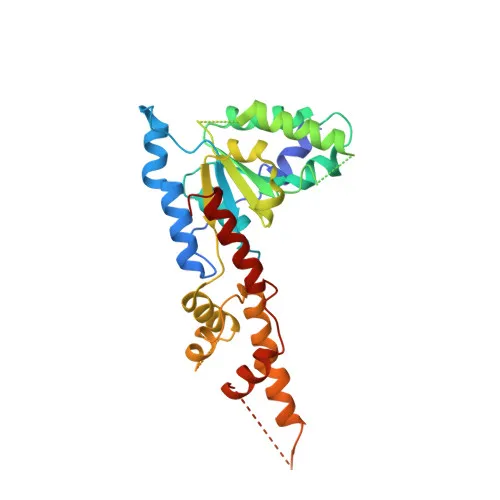
- KATNA1 encodes the katanin p60 ATPase-containing subunit A1, also known as p60 katanin, the catalytic subunit of the microtubule-severing katanin complex.
- The katanin complex severs microtubules in an ATP-dependent manner, facilitating rapid reorganization of cellular microtubule arrays and release of microtubules from the centrosome after nucleation.
- In mitosis, microtubule release from spindle poles by katanin contributes to poleward microtubule flux and chromosome movement.
- Within neurons, KATNA1-mediated microtubule severing enables microtubule transport into neuronal processes, which is essential for axonal growth.
- KATNA1 localizes to the cytoplasm and concentrates at microtubule-organizing centers, including the centrosome, spindle poles, and midbody during cell division.
- The protein contains an AAA+ ATPase domain that binds ATP, essential for its mechanochemical microtubule-severing activity.
- Post-translational modifications include phosphorylation and ubiquitination, which may regulate katanin activity and stability.
- Alternative splicing of KATNA1 produces multiple isoforms, though their functional differences remain to be fully characterized.
Experimental Guidance and Technical Tips
- The antibody was raised against an N-terminal fragment (aa 1-167) of human KATNA1, so it is expected to detect the N-terminal region of the protein; epitope mapping has not been experimentally confirmed.
- In Western blotting, a band near 56 kDa is predicted; however, actual migration may vary due to post-translational modifications or isoform differences. Validate using appropriate positive controls (e.g., human, mouse, or rat cell lysates expressing KATNA1).
- For immunohistochemistry (IHC-P), antigen retrieval conditions should be optimized for the specific tissue type and fixation method; use tissues known to express KATNA1, such as dividing cells or neuronal tissues, as positive controls.
- This antibody cross-reacts with mouse and rat KATNA1, making it suitable for studies across mammalian species; confirm cross-reactivity empirically in the chosen experimental system.
- ELISA performance can be assessed using the recombinant immunogen as a coating antigen; note that the polyclonal nature may provide robust detection in sandwich formats when paired with a suitable capture antibody.
CamelBio: Your One-Stop Sourcing Bridge
CamelBio offers a comprehensive sourcing platform for IVD raw materials, including this anti-KATNA1 antibody for microtubule and cell division research. We provide validated antibody pairs, bulk reagents, and tailored procurement solutions to support diagnostic development from concept to clinical application. Contact us to discuss your custom antibody and ancillary reagent needs.
REQUEST A QUOTE
Our professional team will reply to you within one business day. Please feel free to contact us!