Polyclonal Antibodies
Anti-Kallistatin (SERPINA4) Rabbit Polyclonal Antibody for WB - P29622
Item Number : CM0028829
Price varies based on specs and customizations
- Application
- WB, IF/ICC, ELISA
- Cross Reactivity
- Human, Mouse, Rat
- Protein Weight
- 49kDa

Shipping:
Contact us to get shipping details Enjoy On-time Dispatch Guarantee.
Why Choose Us
Easy ordering process, quality products, and dedicated support for your business success.
Core Product Specifications and Parameters
| Parameter | Value |
|---|---|
| Product Name | Kallistatin (SERPINA4) Rabbit pAb |
| Remarks/Alias | KAL; KST; PI4; KLST; PI-4; kallistatin; Kallistatin (SERPINA4) |
| Species | Human |
| GeneID (human) | 5267 |
| GeneID | 5267 |
| Immunogen | Recombinant fusion protein containing a sequence corresponding to amino acids 178-427 of human Kallistatin (SERPINA4) (NP_006206.2). |
| Source | Rabbit |
| Category | Polyclonal Antibodies |
| Application | WB, IF/ICC, ELISA |
| Cross Reactivity | Human, Mouse, Rat |
| SWISS | P29622 |
| Protein Weight | 49kDa |
| Shipping | Ice bag |
Biological Background: Kallistatin Function and Localization
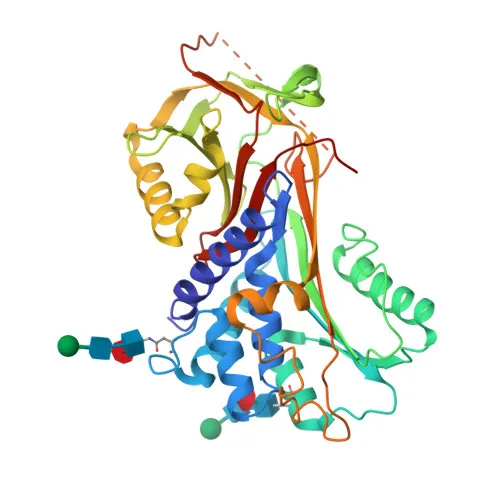
- Kallistatin, also known as Serpin A4, peptidase inhibitor 4 (PI-4), or kallikrein inhibitor, is a member of the serine protease inhibitor (serpin) superfamily encoded by the SERPINA4 gene.
- It functions as a specific inhibitor of tissue kallikrein, blocking its amidolytic and kininogenase activities. This inhibition involves the formation of an equimolar, heat- and SDS-stable complex between the inhibitor and the enzyme.
- During inhibition, the reactive site loop of kallistatin is cleaved by tissue kallikrein, generating a small C-terminal fragment. This cleavage is a typical mechanism for serpin-mediated protease inhibition.
- Kallistatin is a secreted glycoprotein, as indicated by its subcellular localization (secreted) and keyword annotation (glycoprotein, signal peptide).
- The protein is predominantly expressed by the liver and secreted into plasma, consistent with its role in regulating circulating kallikrein activity.
- Keywords highlight its classification as a serine protease inhibitor, glycoprotein, and secreted protein, with experimental evidence from direct protein sequencing and proteomics identification.
Experimental Guidance and Technical Tips
- The immunogen (amino acids 178–427) covers a large internal region of the protein, likely recognizing multiple epitopes. This design may provide robust detection in denaturing and native conditions.
- For Western blot, expect a band around 49 kDa (as indicated) in samples expressing SERPINA4, such as liver tissue or plasma. Validate specificity using positive controls and appropriate blocking.
- In immunofluorescence/immunocytochemistry (IF/ICC), consider that kallistatin is secreted, so intracellular staining may be limited. Optimize fixation and permeabilization to detect cytoplasmic pools or secretory pathway intermediates.
- For ELISA applications, this polyclonal antibody can be used as either capture or detection reagent after empirical optimization of working concentrations and pairing with suitable secondary antibodies.
- Cross-reactivity with mouse and rat suggests utility in rodent models; however, validate species-specific performance in your experimental system.
CamelBio: Your One-Stop Sourcing Bridge
CamelBio provides diagnostic manufacturers, labs, and research institutes with one-stop access to IVD raw materials, technical services, and consulting—covering every stage from concept to clinic. This anti-Kallistatin polyclonal antibody exemplifies our capability to supply quality reagents for serpin/protease inhibitor research, and we can assist with customized sourcing or scaling for your assay development needs.
Product Datasheet
Anti-Kallistatin (SERPINA4) Rabbit Polyclonal Antibody for WB - P29622
REQUEST A QUOTE
Our professional team will reply to you within one business day. Please feel free to contact us!