Polyclonal Antibodies
Anti-JPH1 Rabbit Polyclonal Antibody for WB - Q9HDC5
Item Number : CM0020297
Price varies based on specs and customizations
- Application
- WB, ELISA
- Cross Reactivity
- Mouse
- Protein Weight
- 72kDa

Shipping:
Contact us to get shipping details Enjoy On-time Dispatch Guarantee.
Why Choose Us
Easy ordering process, quality products, and dedicated support for your business success.
Core Product Specifications and Parameters
| Parameter | Value |
|---|---|
| Product Name | JPH1 Rabbit pAb |
| Remarks/Alias | JP1; JP-1; CMT2K; JPH1 |
| Species | Human |
| Gene ID (Human) | 56704 |
| Gene ID | 56704 |
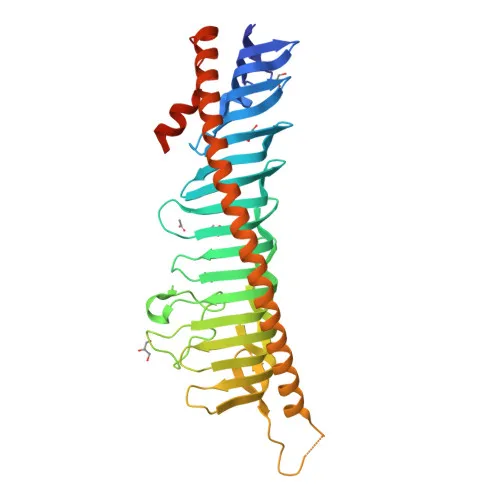
| Immunogen | Recombinant fusion protein containing a sequence corresponding to amino acids 410-640 of human JPH1 (NP_065698.1) |
| Source | Rabbit |
| Category | Polyclonal Antibodies |
| Application | WB, ELISA |
| Cross Reactivity | Mouse |
| SWISS | Q9HDC5 |
| Protein Weight | 72kDa |
| Shipping | Ice bag |
Biological Background: Junctophilin-1 Function and Localization
- Junctophilin-1 (JPH1) is a member of the junctophilin family, which contributes to the formation of junctional membrane complexes (JMCs) that physically link the plasma membrane with the endoplasmic or sarcoplasmic reticulum in excitable cells.
- JPH1 provides a structural foundation for functional cross-talk between the cell surface and intracellular calcium release channels, enabling efficient excitation-contraction coupling.
- In skeletal muscle, JPH1 specifically contributes to the construction of the triad junction by linking the transverse-tubule (t-tubule) and sarcoplasmic reticulum (SR) membranes.
- Subcellularly, JPH1 localizes to the cell membrane, endoplasmic reticulum membrane, and sarcoplasmic reticulum membrane, featuring transmembrane domains that anchor it at these contact sites.
- JPH1 is abundantly expressed in skeletal muscle, with very low expression in the heart, reflecting its specialized role in muscle triad organization.
- Genetic variants in JPH1 are associated with Charcot-Marie-Tooth disease type 2K (CMT2K), highlighting its clinical significance in neuromuscular disorders.
Experimental Guidance and Technical Tips
- The immunogen is a recombinant protein covering amino acids 410–640; consider verifying that this region is accessible in the native conformation of your sample.
- This polyclonal antibody is suitable for Western blot (WB) and ELISA detection of human JPH1 and cross-reacts with mouse, enabling multi-species study designs.
- For WB, the predicted molecular weight is approximately 72 kDa; select an appropriate gel percentage and transfer conditions to resolve this band clearly.
- Validate antibody specificity in skeletal muscle lysates (positive control) and non-muscle tissues or JPH1-knockout models (negative controls) to confirm target engagement.
CamelBio: Your One-Stop Sourcing Bridge
CamelBio offers diagnostic manufacturers and research laboratories a single point of access to IVD raw materials, including validated polyclonal antibodies such as this anti-JPH1 antibody for neuromuscular research. Our extensive portfolio covers monoclonal/polyclonal antibodies, bulk ancillary reagents, and rare-target sourcing to support your workflow from early development to clinical application. Partner with us for streamlined procurement and technical support tailored to your project needs.
REQUEST A QUOTE
Our professional team will reply to you within one business day. Please feel free to contact us!