Monoclonal Antibodies
Anti-Insulin-degrading enzyme (IDE) Rabbit mAb for WB and ELISA - P14735
Item Number : CM0003446
Price varies based on specs and customizations
- Application
- WB, ELISA
- Cross Reactivity
- Human, Mouse, Rat
- Protein Weight
- 118kDa

Shipping:
Contact us to get shipping details Enjoy On-time Dispatch Guarantee.
Why Choose Us
Easy ordering process, quality products, and dedicated support for your business success.
Core Product Specifications and Parameters
| Parameter | Value |
|---|---|
| Product Name | Insulin-degrading enzyme (IDE) Rabbit mAb |
| Remarks/Alias | INSULYSIN; Insulin-degrading enzyme (IDE) |
| Species | Human |
| Gene ID (Human) | 3416 |
| Gene ID | 3416 |
| Immunogen | `Synthetic Peptide |
| Source | Rabbit |
| Category | Monoclonal Antibodies |
| Application | WB, ELISA |
| Cross Reactivity | Human, Mouse, Rat |
| SWISS | P14735 |
| Protein Weight | 118kDa |
| Shipping | Ice bag |
Biological Background: Insulin-degrading enzyme (IDE) Function and Localization
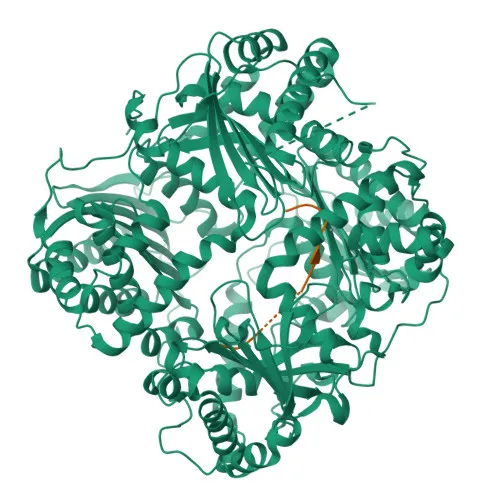
- Insulin-degrading enzyme (IDE), also known as insulysin, insulin protease, or Abeta-degrading protease, is a highly conserved zinc metalloprotease involved in the clearance of multiple peptide hormones and signaling molecules.
- IDE mediates the cellular degradation of insulin, glucagon, and islet amyloid polypeptide (IAPP), playing a critical role in the regulation of blood glucose homeostasis. Related references: PMID:10684867 PMID:17051221 PMID:17613531
- IDE degrades amyloid-beta (Abeta) peptides derived from amyloid precursor protein (APP), contributing to the clearance of neurotoxic aggregates associated with Alzheimer’s disease. Related references: PMID:26394692 PMID:9830016
- It inactivates natriuretic peptides (ANP, BNP, CNP) by cleaving them, thereby attenuating cGMP-mediated signaling; IDE also processes a disease-associated frameshifted form of NPPA linked to familial atrial fibrillation. Related references: PMID:21098034
- Substrate binding induces large conformational changes in IDE, enabling the enzyme to accommodate and degrade larger substrates such as insulin. Related references: PMID:23922390 PMID:26394692 PMID:29596046
- IDE is involved in antigen processing, generating the N- and C-termini of the MAGEA3-derived peptide presented by MHC class I molecules.
- The enzyme localizes primarily to the cytosol, but is also found at the cell membrane and secreted; in the brain it is detected in neurons and cerebrospinal fluid.
- IDE acts as an allosteric enzyme with ATP-binding capability and functions as a host cell receptor for varicella-zoster virus entry.
Experimental Guidance and Technical Tips
- The rabbit monoclonal antibody is raised against a synthetic peptide corresponding to the N-terminal region (amino acids 1-100) of human IDE; this epitope is highly conserved across human, mouse, and rat, consistent with the reported cross-reactivity.
- For Western blot (WB) analysis, due to the relatively high molecular weight of IDE (~118 kDa), consider using a low-percentage SDS-PAGE gel and extended transfer times to ensure effective protein separation and membrane transfer.
- In ELISA applications, validate antibody performance under both native and denaturing conditions to confirm specificity for the target epitope and to optimize signal-to-noise ratios.
- Since IDE is expressed in multiple tissues but is particularly abundant in the brain and can be secreted, appropriate sample preparation (e.g., concentration of cerebrospinal fluid) may be required when analyzing physiological fluids or cell supernatants.
CamelBio: Your One-Stop Sourcing Bridge
CamelBio offers diagnostic manufacturers and research laboratories streamlined access to a comprehensive portfolio of IVD raw materials, including validated antibody pairs, optimized monoclonal and polyclonal antibodies, and bulk ancillary reagents. For metabolic and neurodegenerative disease research, our IDE antibody supports assay development for insulin signaling, amyloid clearance, and antigen presentation studies. With a focus on bridging the gap from concept to clinic, CamelBio also facilitates the sourcing of rare-target raw materials and provides technical consulting to accelerate your diagnostic pipeline.
REQUEST A QUOTE
Our professional team will reply to you within one business day. Please feel free to contact us!