Monoclonal Antibodies
Anti-Inhibin beta A (INHBA) Monoclonal Antibody for WB, IF/ICC, ELISA - P08476
Item Number : CM0012417
Price varies based on specs and customizations
- Application
- WB, IF/ICC, ELISA
- Cross Reactivity
- Human, Mouse, Rat
- Protein Weight
- 47 kDa

Shipping:
Contact us to get shipping details Enjoy On-time Dispatch Guarantee.
Why Choose Us
Easy ordering process, quality products, and dedicated support for your business success.
Core Product Specifications and Parameters
| Parameter | Value |
|---|---|
| Product Name | Inhibin beta A (INHBA) Rabbit mAb |
| Remarks/Alias | EDF; FRP; Inhibin beta A (INHBA) |
| Species | Human |
| Gene ID | 3624 (Human) |
| Immunogen | Synthetic peptide corresponding to amino acids 1-100 of human INHBA (P08476) |
| Source | Rabbit |
| Category | Monoclonal Antibodies |
| Application | WB, IF/ICC, ELISA |
| Cross Reactivity | Human, Mouse, Rat |
| SWISS | P08476 |
| Protein Weight | 47 kDa |
| Shipping | Ice bag |
Biological Background: Inhibin beta A (INHBA) Function and Localization
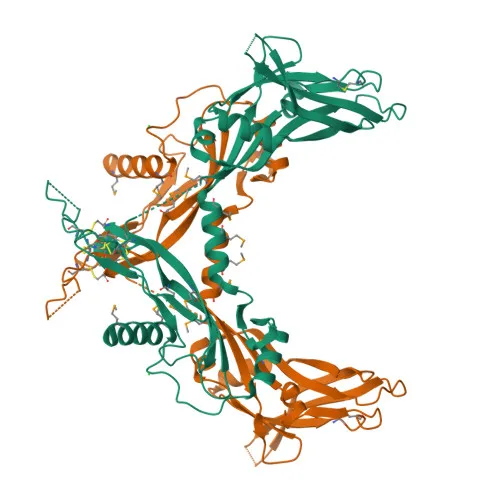
- Inhibin beta A chain (INHBA) is a member of the TGF-beta superfamily, also known as Activin beta-A chain and Erythroid differentiation protein (EDF). It serves as a subunit for both activin A (homodimer) and inhibin A (heterodimer with inhibin alpha).
- Activin A, formed by two INHBA subunits, regulates diverse biological processes including embryonic development, stem cell maintenance and differentiation, haematopoiesis, cell proliferation, and tissue fibrosis. Related references: PMID:3194407 PMID:16440334
- Activin A signals through type I receptors (ACVR1B, ACVR1C) and type II receptors (ACVR2A, ACVR2B, BMPR2), leading to phosphorylation of SMAD2 and SMAD3, which complex with SMAD4 to regulate gene transcription. Non-canonical pathways include p38 MAPK, ERK1/2, and JNK signaling. Related references: PMID:10652306 PMID:24018044 PMID:16440334
- Activin A can also promote osteoblastic differentiation via ACVRL1-SMAD1/5/9 pathway and can form a non-signaling complex with ACVR1 to inhibit BMP signaling. Related references: PMID:34948289 PMID:26333933
- Inhibin A (INHA/INHBA heterodimer) functions in the hypothalamic-pituitary-gonadal axis, inhibiting FSH secretion by binding betaglycan and sequestering type II activin receptors.
- INHBA is a secreted glycoprotein hormone with structural features including signal peptide, disulfide bonds, and glycosylation sites, as indicated by UniProt keywords: Signal, Disulfide bond, Glycoprotein, Hormone.
Experimental Guidance and Technical Tips
- The immunogen is a synthetic peptide covering the N-terminal region (aa 1–100) of human INHBA. This region is expected to be specific; cross-reactivity with mouse and rat has been reported, likely due to sequence conservation.
- For Western blotting (WB), the predicted molecular weight is ~47 kDa. Validate band size in relevant samples (e.g., reproductive tissues or cell lines known to express INHBA) and consider using reducing conditions.
- For immunofluorescence (IF/ICC), confirm staining pattern in cells or tissues expressing INHBA; expect primarily secreted localization, possibly with intracellular pools.
- For ELISA applications, assess the antibody's performance as a capture or detection reagent through appropriate assay optimization.
CamelBio: Your One-Stop Sourcing Bridge
CamelBio provides diagnostic manufacturers, laboratories, and research institutes with systematic access to IVD raw materials, technical services, and expert consulting. For reproductive biology and developmental research, CamelBio offers validated antibody pairs, optimized monoclonal antibodies like this INHBA clone, bulk ancillary reagents, and rare target sourcing support—streamlining development from concept to clinical application.
REQUEST A QUOTE
Our professional team will reply to you within one business day. Please feel free to contact us!