Polyclonal Antibodies
Anti-IKBKAP Polyclonal Antibody for WB, IHC-P, ELISA - O95163
Item Number : CM0018009
Price varies based on specs and customizations
- Application
- WB, IHC-P, ELISA
- Cross Reactivity
- Human, Mouse, Rat
- Protein Weight
- 150kDa

Shipping:
Contact us to get shipping details Enjoy On-time Dispatch Guarantee.
Why Choose Us
Easy ordering process, quality products, and dedicated support for your business success.
Core Product Specifications and Parameters
| Parameter | Value |
|---|---|
| Product Name | IKBKAP Rabbit pAb |
| Remarks/Alias | FD; DYS; IKAP; IKI3; TOT1; IKBKAP |
| Species | Human |
| GeneID (Human) | 8518 |
| Immunogen | Recombinant fusion protein containing a sequence corresponding to amino acids 1093-1332 of human IKBKAP (NP_003631.2) |
| Source | Rabbit |
| Category | Polyclonal Antibodies |
| Application | WB, IHC-P, ELISA |
| Cross Reactivity | Human, Mouse, Rat |
| SWISS | O95163 |
| Protein Weight | 150kDa |
| Shipping | Ice bag |
Biological Background: IKBKAP Function and Localization
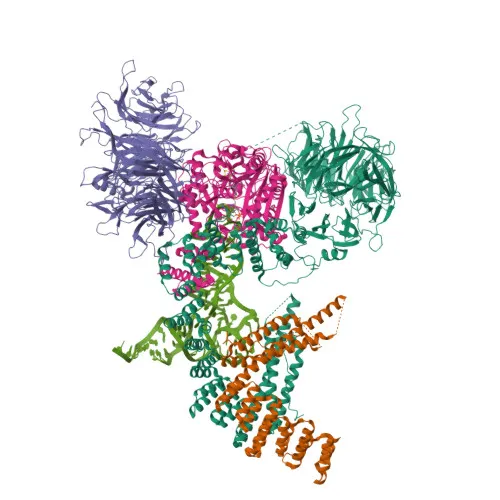
- IKBKAP, also known as ELP1 or IKAP, is the elongator complex protein 1, a key scaffold protein and subunit of the elongator complex.
- As a core elongator component, ELP1 is essential for multiple tRNA modifications, including the formation of 5-methoxycarbonylmethyluridine (mcm5U), 5-methoxycarbonylmethyl-2-thiouridine (mcm5s2U), and 5-carbamoylmethyluridine (ncm5U) (PubMed:29332244). Related references: PMID:29332244
- The elongator complex catalyzes carboxymethyluridine formation at the wobble base (position 34) of tRNAs, a critical step for efficient translation (PubMed:29332244).
- ELP1 directly binds tRNA, mediating the interaction of the elongator complex with its substrate (By similarity).
- In the developing cerebral cortex, ELP1 regulates the migration and branching of projection neurons via a mechanism that requires α-tubulin acetylation (By similarity).
- ELP1 may also act as a scaffold for IKK-MAP3K14 complexes, assembling IKKα, IKKβ, and NIK kinases (PubMed:9751059). Related references: PMID:9751059
- The protein localizes to both the cytoplasm and the nucleus, consistent with its roles in tRNA processing and gene regulation.
- Post-translationally, ELP1 is a phosphoprotein; mutations in the ELP1 gene are associated with familial dysautonomia, a severe neurodegenerative disorder.
Experimental Guidance and Technical Tips
- The immunogen spans amino acids 1093–1332 in the C-terminal region of human IKBKAP, suggesting the antibody can detect total IKBKAP in human, mouse, and rat samples.
- For Western blot (WB), the predicted molecular weight is ~150 kDa. Include appropriate positive and negative controls (e.g., cell line lysates expressing high/low IKBKAP).
- For immunohistochemistry (IHC-P), antigen retrieval may be necessary; optimize fixation and staining conditions for your tissue type.
- In ELISA, this polyclonal antibody can be used as a capture or detection reagent; pairing with a matched monoclonal antibody (if available) can improve sensitivity and specificity.
- Validate the antibody’s performance in your specific experimental system, as cross-reactivity and background may vary.
CamelBio: Your One-Stop Sourcing Bridge
CamelBio offers diagnostic manufacturers, research laboratories, and institutes a seamless procurement channel for IVD raw materials, from antibody pairs to ancillary reagents. This anti-IKBKAP antibody serves as a reliable tool for investigating elongator complex biology, tRNA modifications, and neurodegeneration pathways. Whether you need validated polyclonal antibodies, monoclonal antibody pairs, or bulk production support, our streamlined sourcing can accelerate your product development from concept to clinic.
REQUEST A QUOTE
Our professional team will reply to you within one business day. Please feel free to contact us!