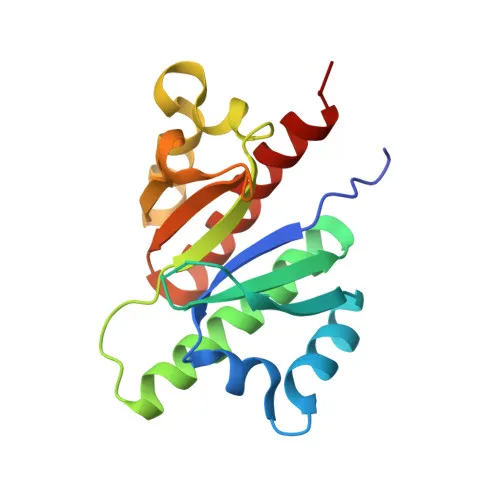
Polyclonal Antibodies
Anti-IGF2BP3 Polyclonal Antibody for WB, IHC-P, IF/ICC, IP, ELISA - O00425
Item Number : CM0029972
Price varies based on specs and customizations
- Application
- WB, IHC-P, IF/ICC, IP, ELISA
- Cross Reactivity
- Human, Mouse, Rat
- Protein Weight
- 64kDa

Shipping:
Contact us to get shipping details Enjoy On-time Dispatch Guarantee.
Why Choose Us
Easy ordering process, quality products, and dedicated support for your business success.
Core Product Specifications and Parameters
| Parameter | Value |
|---|---|
| Product Name | IGF2BP3 Rabbit pAb |
| Remarks/Alias | KOC, CT98, IMP3, KOC1, IMP-3, VICKZ3, IGF2BP3 |
| Species | Human |
| GeneID | 10643 (Human) |
| Immunogen | Recombinant fusion protein containing a sequence corresponding to amino acids 300-579 of human IGF2BP3 (NP_006538.2) |
| Source | Rabbit |
| Category | Polyclonal Antibodies |
| Application | WB, IHC-P, IF/ICC, IP, ELISA |
| Cross Reactivity | Human, Mouse, Rat |
| SWISS | O00425 |
| Protein Weight | 64kDa |
| Shipping | Ice bag |
Biological Background: IGF2BP3 Function and Localization
- The insulin-like growth factor 2 mRNA-binding protein 3 (IGF2BP3), also known as IMP3 or KOC, is a member of the VICKZ family of RNA-binding proteins and is encoded by the IGF2BP3 gene (GeneID: 10643) in humans.
- IGF2BP3 acts as an RNA-binding factor that recruits target transcripts into cytoplasmic messenger ribonucleoprotein (mRNP) complexes, enabling mRNA transport, transient storage, and protection from endonuclease attacks or microRNA-mediated degradation. Related references: PMID:29476152
- It preferentially binds to N6-methyladenosine (m6A)-modified mRNAs, enhancing their stability; for example, it stabilizes CD44 mRNA by binding its 3'-UTR (promoting cell adhesion and invadopodia in cancer) and MYC mRNA by binding the coding region instability determinant (CRD) in an m6A-dependent manner. Related references: PMID:29476152
- IGF2BP3 also binds to the 5'-UTR of insulin-like growth factor 2 (IGF2) mRNAs, implicating it in growth factor regulation.
- The protein localizes to the nucleus, cytoplasm, P-bodies, and stress granules, reflecting its dynamic roles in mRNA fate decisions.
- Tissue expression is prominent in fetal liver, lung, kidney, thymus, placenta, and various cancers (e.g., cervix adenocarcinoma, testicular, pancreatic, and renal-cell carcinomas), and it is widely expressed during fetal development.
- Post-translational modifications include phosphorylation and ubiquitin conjugation (isopeptide bond), which may regulate its activity or stability.
Experimental Guidance and Technical Tips
- The immunogen used corresponds to a region (amino acids 300–579) distal to the canonical RNA-binding domains, potentially minimizing interference with target binding in IP or IF applications.
- For Western blot (WB), the expected molecular weight is approximately 64 kDa; consider using a reducing gel and appropriate molecular weight markers.
- In IHC-P, antigen retrieval using heat-induced epitope retrieval (HIER) in citrate or EDTA buffer may enhance detection; validate in the relevant sample system.
- For IF/ICC, fixation with 4% paraformaldehyde and permeabilization with 0.1% Triton X-100 are typical starting points; nuclear and cytoplasmic staining should be assessed.
- In immunoprecipitation (IP), confirm the antibody’s ability to pull down endogenous IGF2BP3 complexes; optimize lysis buffer stringency to preserve protein-protein interactions.
- ELISA performance can be assessed by direct or sandwich formats; as a polyclonal antibody, it may serve as both capture and detection reagent when paired with a suitable monoclonal antibody.
- Note the cross-reactivity with mouse and rat, indicating conserved epitopes; always verify reactivity in your species of interest with proper controls.
CamelBio: Your One-Stop Sourcing Bridge
CamelBio offers diagnostic manufacturers, laboratories, and research institutes a streamlined one-stop channel for IVD raw materials, including validated antibody pairs, recombinant proteins, and ancillary reagents. For RNA-binding protein studies such as those involving IGF2BP3 (IMP3/KOC) in cancer and developmental biology, we source optimized monoclonal and polyclonal antibodies, bulk ancillary reagents, and rare-target raw materials tailored to your assay requirements. Our integrated supply capability spans from concept to clinic, supporting your entire development pipeline with reliable procurement and technical guidance.
Product Datasheet
Anti-IGF2BP3 Polyclonal Antibody for WB, IHC-P, IF/ICC, IP, ELISA - O00425
REQUEST A QUOTE
Our professional team will reply to you within one business day. Please feel free to contact us!