Polyclonal Antibodies
Anti-IFI16 Rabbit Polyclonal Antibody - Q16666
Item Number : CM0022818
Price varies based on specs and customizations
- Application
- WB, FC, ELISA
- Cross Reactivity
- Human
- Protein Weight
- 75kDa/82kDa/88kDa

Shipping:
Contact us to get shipping details Enjoy On-time Dispatch Guarantee.
Why Choose Us
Easy ordering process, quality products, and dedicated support for your business success.
Core Product Specifications and Parameters
| Parameter | Value |
|---|---|
| Product Name | IFI16 Rabbit pAb |
| Remarks/Alias | IFI16; IFNGIP1; PYHIN2; gamma-interferon-inducible protein 16 |
| Species | Human |
| Gene ID (Human) | 3428 |
| Gene ID | 3428 |
| Immunogen | Recombinant protein|Recombinant fusion protein containing a sequence corresponding to amino acids 500-785 of human IFI16 (NP_001351796.1). |
| Source | Rabbit |
| Category | Polyclonal Antibodies |
| Application | WB, FC, ELISA |
| Cross Reactivity | Human |
| SWISS | Q16666 |
| Protein Weight | 75kDa/82kDa/88kDa |
| Shipping | Ice bag |
Biological Background: IFI16 Function and Localization
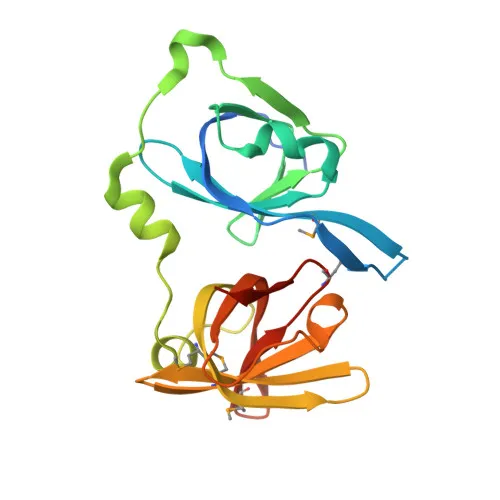
- IFI16 (gamma-interferon-inducible protein 16, also known as IFNGIP1 and PYHIN2) is a member of the PYHIN protein family, characterized by an N-terminal PYRIN domain and two C-terminal HIN domains involved in DNA binding.
- Functions as a double-stranded DNA sensor, binding preferentially to supercoiled and cruciform DNA structures, and plays a role in transcriptional regulation, potentially acting as a transcriptional repressor.
- Involved in the regulation of hematopoietic differentiation and control of cellular proliferation through modulation of cell cycle regulatory factors including p53/TP53 and retinoblastoma protein.
- Participates in TP53-mediated transcriptional activation by enhancing TP53 sequence-specific DNA binding and phosphorylation, and is involved in energy-level-dependent activation of the ATM/AMPK/TP53 pathway coupled to autophagy regulation.
- Key component of innate immune response: recognizes viral dsDNA in the cytosol and nucleus, recruits TMEM173/STING to induce IFN-beta, and restricts herpesvirus replication by inhibiting viral gene expression and promoting heterochromatin formation.
- Exists in isoforms that specifically inhibit the AIM2 inflammasome by binding cytoplasmic dsDNA and preventing AIM2-PYCARD interaction, while also weakly inducing IFN-beta via STING1 (PubMed:30104205). Related references: PMID:30104205
- Localizes to both the nucleus and cytoplasm, and is widely expressed with higher levels in peripheral blood leukocytes, fibroblasts, lymphoid cells, and tissues such as prostate, ovary, and breast.
- Post-translational modifications include acetylation, phosphorylation, and isopeptide bond formation, reflecting its dynamic regulation in apoptosis, autophagy, and inflammatory responses.
Experimental Guidance and Technical Tips
- The immunogen corresponds to amino acids 500-785, targeting the C-terminal region of IFI16 that includes the HIN domains. This region is critical for DNA binding and may be conserved across isoforms containing this segment, potentially detecting full-length IFI16 as well as certain isoforms.
- For Western blot (WB), consider using whole-cell lysates from human cell lines known to express IFI16 (e.g., HeLa, THP-1). The predicted molecular weights are 75–88 kDa; additional bands may represent isoforms or post-translationally modified forms.
- For flow cytometry (FC), intracellular staining is recommended due to the nuclear and cytoplasmic localization of IFI16. Validate the antibody in the relevant sample system and include appropriate controls.
- ELISA applications may be suitable for detecting IFI16 in cell lysates or purified protein; optimization of coating and detection conditions is advised.
CamelBio: Your One-Stop Sourcing Bridge
CamelBio is your dedicated partner for sourcing high-quality IVD raw materials, offering a comprehensive portfolio that includes validated antibody pairs, polyclonal and monoclonal antibodies, and ancillary reagents. This anti-IFI16 antibody supports research in innate immunity, viral infection, and oncology. Contact us to explore custom bulk supply and technical support for your diagnostic development needs.
REQUEST A QUOTE
Our professional team will reply to you within one business day. Please feel free to contact us!