Polyclonal Antibodies
Anti-ID2 Rabbit Polyclonal Antibody for WB, ELISA - Q02363
Item Number : CM0026716
Price varies based on specs and customizations
- Application
- WB, ELISA
- Cross Reactivity
- Human
- Protein Weight
- 15kDa

Shipping:
Contact us to get shipping details Enjoy On-time Dispatch Guarantee.
Why Choose Us
Easy ordering process, quality products, and dedicated support for your business success.
Core Product Specifications and Parameters
| Parameter | Value |
|---|---|
| Product Name | ID2 Rabbit pAb |
| Remarks/Alias | GIG8; ID2A; ID2H; bHLHb26; ID2 |
| Species | Human |
| GeneID (Human) | 3398 |
| GeneID | 3398 |
| Immunogen | A synthetic peptide corresponding to a sequence within amino acids 1-100 of human ID2 (NP_002157.2) |
| Source | Rabbit |
| Category | Polyclonal Antibodies |
| Application | WB, ELISA |
| Cross Reactivity | Human |
| SWISS | Q02363 |
| Protein Weight | 15kDa |
| Shipping | Ice bag |
Biological Background: ID2 Function and Localization
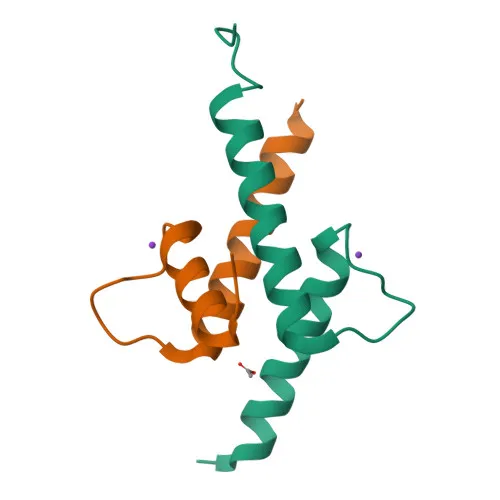
- ID2 (DNA-binding protein inhibitor ID-2) is also known as class B basic helix-loop-helix protein 26 (bHLHb26) and inhibitor of differentiation 2. It functions as a transcriptional regulator that lacks a basic DNA-binding domain.
- It negatively regulates basic helix-loop-helix (bHLH) transcription factors by forming heterodimers, inhibiting their DNA binding and transcriptional activity. This regulation influences cellular growth, senescence, differentiation, apoptosis, angiogenesis, and neoplastic transformation.
- ID2 inhibits skeletal muscle and cardiac myocyte differentiation, underscoring its role in developmental processes.
- In circadian rhythm regulation, ID2 represses the CLOCK-BMAL1 heterodimer's transcriptional activity and restricts their localization to the cytoplasm. It participates in both input (modulating photic entrainment) and output (regulating liver clock-controlled genes in lipid metabolism) pathways.
- ID2 localizes to both the cytoplasm and nucleus.
- Highly expressed in early fetal tissues, including those of the central nervous system, matching its developmental functions.
- Annotated as a developmental protein, repressor, and phosphoprotein; involved in transcription regulation, circadian rhythms, and ubiquitin conjugation. The calculated molecular weight is approximately 15 kDa (UniProt: 14,917 Da).
Experimental Guidance and Technical Tips
- The immunogen covers the N-terminal region (amino acids 1–100). For Western blotting, consider using whole‑cell lysates from human cell lines; the predicted band is ~15 kDa. Confirm specificity with ID2 knockout or knockdown controls.
- For ELISA applications, pairing with a capture antibody targeting a different ID2 epitope may improve sandwich assay performance.
- Because ID2 is a low‑molecular‑weight protein, use high‑percentage gels and optimize transfer conditions to avoid loss.
- Validate reactivity in physiologically relevant contexts, such as differentiation or circadian models, to ensure functional relevance.
CamelBio: Your One-Stop Sourcing Bridge
CamelBio offers diagnostic manufacturers and research institutes a comprehensive one‑stop source for IVD raw materials, including validated antibody pairs, optimized monoclonal and polyclonal antibodies, and bulk ancillary reagents. For ID2‑focused studies in oncology, developmental biology, or circadian research, CamelBio can assist in procuring high‑quality antibodies and rare‑target materials, supporting your assay development from concept to clinic.
REQUEST A QUOTE
Our professional team will reply to you within one business day. Please feel free to contact us!