Polyclonal Antibodies
Anti-HuR/ELAVL1 Polyclonal Antibody for WB, IHC-P, IF/ICC, ELISA - Q15717
Item Number : CM0030548
Price varies based on specs and customizations
- Application
- WB, IHC-P, IF/ICC, ELISA
- Cross Reactivity
- Human, Mouse
- Protein Weight
- 36kDa

Shipping:
Contact us to get shipping details Enjoy On-time Dispatch Guarantee.
Why Choose Us
Easy ordering process, quality products, and dedicated support for your business success.
Core Product Specifications and Parameters
| Parameter | Value |
|---|---|
| Product Name | [KO Validated] HuR/ELAVL1 Rabbit pAb |
| Remarks/Alias | HUR; Hua; MelG; ELAV1; L1 |
| Species | Human |
| Gene ID (Human) | 1994 |
| Gene ID | 1994 |
| Immunogen | Synthetic peptide|A synthetic peptide corresponding to a sequence within amino acids 1-100 of human HuR/ELAVL1 (NP_001410.2). |
| Source | Rabbit |
| Category | Polyclonal Antibodies |
| Application | WB, IHC-P, IF/ICC, ELISA |
| Cross Reactivity | Human, Mouse |
| SWISS | Q15717 |
| Protein Weight | 36kDa |
| Shipping | Ice bag |
Biological Background: HuR/ELAVL1 Function and Localization
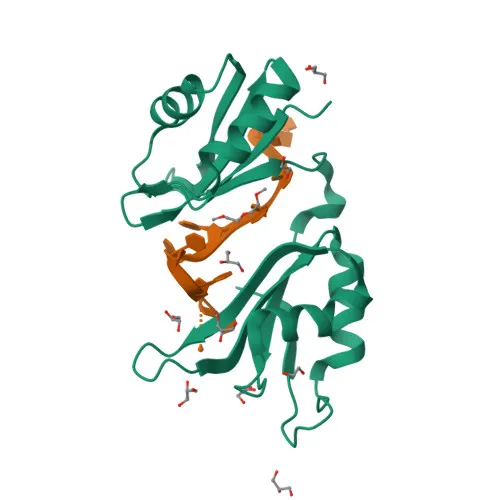
- HuR/ELAVL1 is an RNA-binding protein that specifically recognizes AU-rich elements (AREs) and poly-U motifs in the 3'-UTRs of mRNAs such as FOS and IL3, stabilizing them and enhancing their translation. It preferentially binds the 5'-UUUU[AG]UUU-3' sequence. Related references: PMID:14517288, PMID:18285462, PMID:31358969, PMID:14731398, PMID:17632515, PMID:8626503
- During embryonic stem cell differentiation, HuR preferentially binds non-m6A-methylated mRNAs, stabilizing them to promote the differentiation program (By similarity).
- HuR also binds m6A-modified MYC mRNA, contributing to MYC oncogene stability and proliferative capacity (PubMed:32245947). Related references: PMID:32245947
- It increases the stability of leptin mRNA via ARE binding, linking it to energy metabolism (PubMed:29180010). Related references: PMID:29180010
- HuR shuttles between the nucleus and cytoplasm, and localizes to stress granules and P-bodies in response to cellular stress.
- Expressed ubiquitously, HuR is detected in the brain, liver, thymus, and muscle.
- Post-translational modifications, including phosphorylation, acetylation, and methylation, regulate HuR function and subcellular distribution.
Experimental Guidance and Technical Tips
- For WB, use whole-cell lysates from HuR-expressing human or mouse cell lines (e.g., HeLa, HEK293). The expected band size is approximately 36 kDa. Consider pre-absorbing with the immunizing peptide to confirm specificity.
- For IHC-P, validate antigen retrieval conditions (citrate or EDTA buffer) in human or mouse tissue sections known to express HuR, such as brain or liver. A blocking step is recommended to reduce background.
- For IF/ICC, optimize fixation (e.g., 4% PFA) and permeabilization (e.g., 0.1% Triton X-100) protocols. HuR’s nuclear–cytoplasmic shuttling may be affected by cell treatment; include untreated controls.
- For ELISA, the antibody may be used for both direct and sandwich formats. Pair it with a detection antibody recognizing a distant epitope for optimal sensitivity.
- Because HuR is subject to post-translational modifications, consider the biological context when interpreting results; modified forms may migrate differently on SDS-PAGE.
CamelBio: Your One-Stop Sourcing Bridge
CamelBio serves as a comprehensive partner for diagnostic manufacturers and research laboratories, offering a streamlined supply chain for IVD-grade antibodies and related raw materials. The HuR/ELAVL1 polyclonal antibody supports studies in RNA biology and post-transcriptional gene regulation, and CamelBio can additionally provide validated antibody pairs, optimized monoclonal/polyclonal reagents, bulk ancillary materials, and sourcing of rare target raw materials to meet your assay development and manufacturing needs.
Product Datasheet
Anti-HuR/ELAVL1 Polyclonal Antibody for WB, IHC-P, IF/ICC, ELISA - Q15717
REQUEST A QUOTE
Our professional team will reply to you within one business day. Please feel free to contact us!