Monoclonal Antibodies
Anti-HuR/ELAVL1 Monoclonal Antibody for WB, IHC-P, IF/ICC, IP, ELISA - Q15717
Item Number : CM0003077
Price varies based on specs and customizations
- Application
- WB, IHC-P, IF/ICC, IP, ELISA
- Cross Reactivity
- Human, Mouse, Rat
- Protein Weight
- 36kDa

Shipping:
Contact us to get shipping details Enjoy On-time Dispatch Guarantee.
Why Choose Us
Easy ordering process, quality products, and dedicated support for your business success.
Core Product Specifications and Parameters
| Parameter | Value |
|---|---|
| Product Name | [KO Validated] HuR/ELAVL1 Rabbit mAb |
| Remarks/Alias | HUR; Hua; MelG; ELAV1; L1 |
| Species | Human |
| GeneID (Human) | 1994 |
| Immunogen | Synthetic Peptide | A synthetic peptide corresponding to a sequence within amino acids 1-100 of human HuR/ELAVL1 (Q15717). |
| Source | Rabbit |
| Category | Monoclonal Antibodies |
| Application | WB, IHC-P, IF/ICC, IP, ELISA |
| Cross Reactivity | Human, Mouse, Rat |
| SWISS | Q15717 |
| Protein Weight | 36kDa |
| Shipping | Ice bag |
Biological Background: HuR/ELAVL1 Function and Localization
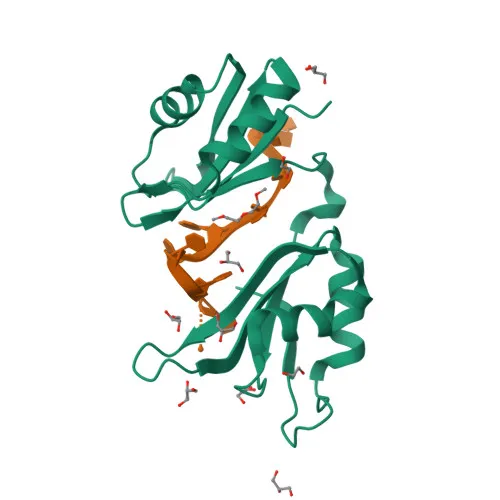
- RNA-binding protein that binds to the 3'-UTR region of mRNAs and increases their stability. Related references: PMID:14517288, PMID:18285462, PMID:31358969
- Involved in embryonic stem cell (ESC) differentiation by preferentially stabilizing mRNAs that are not methylated by N6-methyladenosine (m6A).
- Capable of binding to m6A-containing mRNAs, contributing to MYC mRNA stability. Related references: PMID:32245947
- Binds avidly to AU-rich elements (AREs) in the 3'-UTR of target mRNAs, recognizing core motifs such as AUUUA, AUUUUA, and AUUUUUA. Related references: PMID:8626503
- With ZNF385A, binds the 3'-UTR of p53/TP53 mRNA to control nuclear export induced by CDKN2A, potentially regulating p53 expression and mediating anti-proliferative activity.
- Increases the stability of leptin mRNA harboring an ARE in its 3' UTR. Related references: PMID:29180010
- Subcellular localization includes cytoplasm, nucleus, stress granules, and P-bodies, reflecting dynamic involvement in mRNA transport and turnover.
- Ubiquitously expressed, detected in brain, liver, thymus, and muscle.
- Post-translational modifications include acetylation, methylation, phosphorylation, and ubiquitination, modulating its RNA-binding activity and cellular functions.
Experimental Guidance and Technical Tips
- The immunogen corresponds to the N-terminal region (amino acids 1–100) of human HuR/ELAVL1, suggesting epitope accessibility in native and denaturing conditions.
- For Western blot, a band at approximately 36 kDa is expected; validate the molecular weight in your sample system and consider using appropriate loading controls.
- For IHC-P, antigen retrieval may be required; optimize citrate or EDTA buffer and test on known positive tissues such as brain or liver.
- In IF/ICC, anticipate cytoplasmic and nuclear staining; include controls for stress granule or P-body induction as needed.
- For IP, pilot experiments with relevant cell lines (e.g., HeLa, HEK293) and appropriate cross-linking conditions may be beneficial.
- Cross-reactivity with mouse and rat is indicated; verify performance if using non-human samples.
CamelBio: Your One-Stop Sourcing Bridge
CamelBio provides diagnostic manufacturers and research laboratories with streamlined access to high-quality IVD raw materials, including validated antibodies, bulk ancillary reagents, and rare-target sourcing. This anti-HuR/ELAVL1 monoclonal antibody supports investigations into post-transcriptional regulation and RNA biology, fitting seamlessly into immunoassay development pipelines. Leverage CamelBio’s integrated supply network to accelerate your project from concept to clinic with reliable, one-stop procurement.
Product Datasheet
Anti-HuR/ELAVL1 Monoclonal Antibody for WB, IHC-P, IF/ICC, IP, ELISA - Q15717
REQUEST A QUOTE
Our professional team will reply to you within one business day. Please feel free to contact us!