Polyclonal Antibodies
Anti-Huntingtin Polyclonal Antibody for WB, IHC-P, IF/ICC, ELISA - P42858
Item Number : CM0022755
Price varies based on specs and customizations
- Application
- WB, IHC-P, IF/ICC, ELISA
- Cross Reactivity
- Human, Mouse, Rat
- Protein Weight
- 348kDa

Shipping:
Contact us to get shipping details Enjoy On-time Dispatch Guarantee.
Why Choose Us
Easy ordering process, quality products, and dedicated support for your business success.
Core Product Specifications and Parameters
| Parameter | Value |
|---|---|
| Product Name | Huntingtin Rabbit pAb |
| Remarks/Alias | HD; IT15; LOMARS; Huntingtin |
| Species | Human |
| Gene ID (Human) | 3064 |
| Gene ID | 3064 |
| Immunogen | Recombinant fusion protein containing a sequence corresponding to amino acids 435-635 of human Huntingtin (NP_002102.4) |
| Source | Rabbit |
| Category | Polyclonal Antibodies |
| Application | WB, IHC-P, IF/ICC, ELISA |
| Cross Reactivity | Human, Mouse, Rat |
| SWISS | P42858 |
| Protein Weight | 348kDa |
| Shipping | Ice bag |
Biological Background: Huntingtin Function and Localization
- The Huntingtin (HTT) protein, also known as HD protein or IT15, is encoded by the HTT gene and is the primary focus of Huntington's disease research.
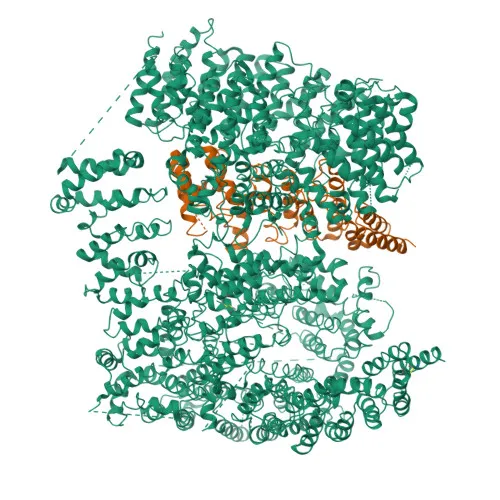
- Huntingtin is a large 348 kDa protein that may play a role in microtubule-mediated transport or vesicle function.
- It promotes the formation of autophagic vesicles, contributing to cellular degradation and recycling pathways.
- Subcellular localization includes the cytoplasm, nucleus, early endosome, and autophagosomes, indicating dynamic trafficking.
- In the brain, Huntingtin is highly expressed in the cerebral cortex, striatum, cerebellar cortex, and hippocampal formation; it is also found in nerve fibers, varicosities, and nerve endings.
- Post-translational modifications include acetylation, myristoylation, phosphorylation, and ubiquitination, which may regulate its function and interactions.
- Mutations in HTT involving CAG triplet repeat expansion cause Huntington's disease, a neurodegenerative disorder.
Experimental Guidance and Technical Tips
- The immunogen corresponds to aa 435-635 of human Huntingtin (NP_002102.4). For Western blot, note the large molecular weight (~348 kDa); consider using low-percentage polyacrylamide gels and extended transfer times for optimal detection.
- As a polyclonal antibody, it may recognize multiple epitopes; this can be advantageous for detecting full-length and truncated huntingtin species, but specific validation is recommended for each application.
- For IHC-P and IF/ICC, use fresh-frozen or paraffin-embedded brain sections as a positive control, given the high expression in the central nervous system. Validate the staining pattern against known subcellular distributions.
- The antibody cross-reacts with mouse and rat samples, but antigen expression levels and protein stability may vary across tissues and species; perform pilot experiments to confirm suitability.
- For ELISA, optimize coating antigen and antibody dilution to achieve a linear detection range.
- Always include negative controls (e.g., tissue from HTT knockout models when available) and verify specificity with known positive and negative lysates.
CamelBio: Your One-Stop Sourcing Bridge
CamelBio provides a streamlined procurement pathway for diagnostic and research institutions seeking high-quality IVD raw materials. With an extensive catalog covering antibodies, antigens, and ancillary reagents, we support project progression from discovery to clinical application. For neurodegenerative disease research focused on huntingtin and related targets, CamelBio can supply validated antibody pairs, optimized polyclonal/monoclonal antibodies, and custom sourcing for rare reagents, ensuring your experimental and diagnostic workflows are fully equipped.
Product Datasheet
Anti-Huntingtin Polyclonal Antibody for WB, IHC-P, IF/ICC, ELISA - P42858
REQUEST A QUOTE
Our professional team will reply to you within one business day. Please feel free to contact us!