Monoclonal Antibodies
Anti-Human LILRA2/CD85h Monoclonal Antibody for IF/ICC, FC - Q8N149
Item Number : CM0007984
Price varies based on specs and customizations
- Application
- IF/ICC, FC
- Cross Reactivity
- Human
- Protein Weight
- 53kDa/51kDa/48kDa/47kDa

Shipping:
Contact us to get shipping details Enjoy On-time Dispatch Guarantee.
Why Choose Us
Easy ordering process, quality products, and dedicated support for your business success.
Core Product Specifications and Parameters
| Parameter | Value |
|---|---|
| Product Name | Rabbit anti-Human LILRA2/CD85h mAb |
| Remarks/Alias | ILT1; LIR7; CD85H; LIR-7 |
| Species | Human |
| GeneID (Human) | 11027 |
| GeneID | 11027 |
| Immunogen | Recombinant fusion protein containing a sequence corresponding to amino acids 24-449 of human LILRA2/CD85h (NP_001124389.2). |
| Source | Rabbit |
| Category | Monoclonal Antibodies |
| Application | IF/ICC, FC |
| Cross Reactivity | Human |
| SWISS | Q8N149 |
| Protein Weight | 53kDa/51kDa/48kDa/47kDa |
| Shipping | Ice bag |
Biological Background: LILRA2/CD85h Function and Localization
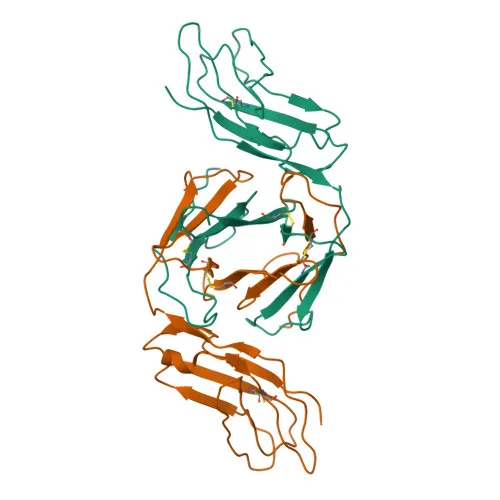
- LILRA2 (leukocyte immunoglobulin-like receptor subfamily A member 2), also referred to as CD85h, ILT-1, and LIR-7, is a single-pass type I membrane protein belonging to the immunoglobulin superfamily. Multiple protein isoforms are produced via alternative splicing, with reported molecular weights of approximately 47–53 kDa.
- As an innate immune receptor, LILRA2 specifically recognizes N-terminally truncated immunoglobulins that are generated through proteolytic cleavage by various pathogenic bacteria and fungi, including L. pneumophila, M. hyorhinis, S. pneumoniae, S. aureus, and C. albicans. This recognition triggers neutrophil activation and the release of inflammatory mediators from monocytes and eosinophils. Related references: PMID:12529506 PMID:27572839 PMID:22479404
- The receptor binds a subset of cleaved IgM, IgG3, and IgG4 molecules but does not interact with cleaved IgA1 or class I MHC antigens, indicating specificity for certain pathogen-modified immunoglobulins. Related references: PMID:27572839 PMID:19230061
- Upon ligand engagement in monocytes, LILRA2 down-regulates responses to bacterial lipopolysaccharide (LPS), likely by reducing TLR4 expression and signaling, and induces secretion of CSF2, CF3, IL6, CXCL8, and CCL3. Related references: PMID:22479404
- In eosinophils, receptor activation promotes the release of RNASE2, IL4, and leukotriene C4, further amplifying inflammatory cascades. Related references: PMID:12529506
- LILRA2 is predominantly detected on the surface of peripheral blood monocytes, neutrophils, basophils, and eosinophils, with very low or absent expression on T cells, B cells, dendritic cells, and NK cells. Related references: PMID:12529506 PMID:22479404 PMID:9548455
- The protein is annotated with several key structural and functional features including a signal peptide, immunoglobulin-like domains, disulfide bonds, N-linked glycosylation, and tyrosine nitration; a secreted isoform has also been described.
Experimental Guidance and Technical Tips
- Since the immunogen covers the entire extracellular region, the antibody is likely to recognize native surface-expressed LILRA2, making it suitable for live-cell staining in flow cytometry and immunofluorescence.
- For IF/ICC, appropriate fixation and permeabilization conditions should be optimized to preserve epitope accessibility, particularly for intracellular or membrane-bound detection.
- Given the reported expression profile, consider including appropriate controls using cell types with known expression (e.g., peripheral blood monocytes, neutrophils) and those with low/absent expression (e.g., lymphocytes) to verify specificity.
- The conjugated fluorophore is compatible with standard red fluorescence detection channels; always protect from light during processing.
- For FC, titrate the antibody to determine the optimal staining concentration for your specific sample type to minimize background and maximize signal-to-noise ratio.
- As the antibody is validated only for IF/ICC and FC by the supplier, performance in other applications (e.g., western blotting) should be verified independently, especially given the multiple isoforms and potential glycosylation of LILRA2.
CamelBio: Your One-Stop Sourcing Bridge
CamelBio supports diagnostic manufacturers, labs, and research institutes by offering a comprehensive portfolio of IVD raw materials, including validated monoclonal antibodies like this anti-LILRA2 clone. Researchers developing immunoassays for innate immunity or receptor–ligand interaction studies can rely on CamelBio’s end-to-end sourcing services—from specialized antibody conjugates and bulk reagents to rare-target logistics and tailored technical consultation.
REQUEST A QUOTE
Our professional team will reply to you within one business day. Please feel free to contact us!