Monoclonal Antibodies
Anti-Human LIFR/CD118 Monoclonal Antibody for Flow Cytometry - P42702
Item Number : CM0012100
Price varies based on specs and customizations
- Application
- FC
- Cross Reactivity
- Human
- Protein Weight
- 124kDa

Shipping:
Contact us to get shipping details Enjoy On-time Dispatch Guarantee.
Why Choose Us
Easy ordering process, quality products, and dedicated support for your business success.
Core Product Specifications and Parameters
| Parameter | Value |
|---|---|
| Product Name | Rabbit anti-Human LIFR/CD118 mAb |
| Remarks/Alias | SWS; SJS2; STWS; CD118; LIF-R |
| Species | Human |
| GeneID (Human) | 3977 |
| Immunogen | Recombinant protein |
| Source | Rabbit |
| Category | Monoclonal Antibodies |
| Application | FC |
| Cross Reactivity | Human |
| SWISS | P42702 |
| Protein Weight | 124kDa |
| Shipping | Ice bag |
Biological Background: LIFR Function and Localization
- LIFR encodes the leukemia inhibitory factor receptor (CD118), a signal-transducing subunit that forms complexes with IL6ST/gp130 or CNTFR. It mediates signaling for cytokines including LIF, OSM, CNTF, CTF1, CLCF1, and the CRLF1-CLCF1 heterodimer. Related references: PMID:11285233, PMID:11294841, PMID:1542794
- Ligand binding induces heterodimerization of LIFR with gp130, activating associated JAK tyrosine kinases. This leads to phosphorylation of gp130 and subsequent recruitment and activation of STAT transcription factors. Related references: PMID:9030543
- The receptor can also inhibit LIF bioactivity through competitive binding, blocking the interaction of LIF with its signaling receptors.
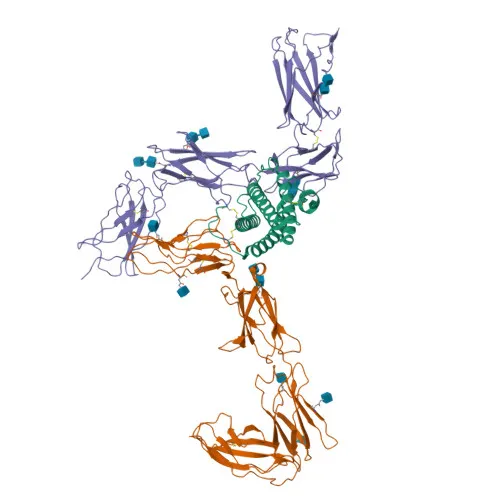
- LIFR engages site 3 of cytokine ligands, as shown in structural studies. Related references: PMID:36930708
- Subcellular localization includes the cell membrane and secreted forms; the protein is post-translationally modified by glycosylation, phosphorylation, and disulfide bond formation.
- Alternative splicing generates multiple isoforms, and mutations in LIFR are associated with Stüve-Wiedemann syndrome (SWS) and other skeletal dysplasias.
- The full-length receptor has a molecular weight of approximately 124 kDa and contains an extracellular domain, a single transmembrane helix, and a cytoplasmic tail.
Experimental Guidance and Technical Tips
- The immunogen corresponds to the LIFR extracellular domain (aa 45–833), encompassing the cytokine-binding region. This design may enable recognition of both membrane-bound and soluble receptor forms.
- For flow cytometry, titrate the antibody to determine the optimal concentration for your specific cell type and experimental conditions. Use appropriate isotype controls and Fc blocking reagents to minimize background.
- Given the confirmed human cross-reactivity, validate the antibody in the relevant human sample system. Performance in other species has not been assessed.
CamelBio: Your One-Stop Sourcing Bridge
CamelBio supports diagnostic manufacturers and research laboratories with a comprehensive portfolio of IVD raw materials, including validated monoclonal antibodies, optimized antibody pairs, and bulk ancillary reagents. This anti-LIFR/CD118 product serves research into cytokine signaling and receptor biology. Our supply chain capabilities enable reliable access to rare-target reagents and customized sourcing solutions to accelerate your development from concept to clinic.
Product Datasheet
Anti-Human LIFR/CD118 Monoclonal Antibody for Flow Cytometry - P42702
REQUEST A QUOTE
Our professional team will reply to you within one business day. Please feel free to contact us!