Monoclonal Antibodies
Anti-Human FcεR1α Monoclonal Antibody for FC - P12319
Item Number : CM0004254
Price varies based on specs and customizations
- Application
- FC
- Cross Reactivity
- Human
- Protein Weight
- 30kDa

Shipping:
Contact us to get shipping details Enjoy On-time Dispatch Guarantee.
Why Choose Us
Easy ordering process, quality products, and dedicated support for your business success.
Core Product Specifications and Parameters
| Parameter | Details |
|---|---|
| Product Name | Rabbit anti-Human FcεR1α mAb |
| Remarks/Alias | FCE1A; FcERI; FCERIA |
| Species | Human |
| GeneID (Human) | 2205 |
| GeneID | 2205 |
| Immunogen | Recombinant protein |
| Source | Rabbit |
| Category | Monoclonal Antibodies |
| Application | FC |
| Cross Reactivity | Human |
| SWISS | P12319 |
| Protein Weight | 30kDa |
| Shipping | Ice bag |
Biological Background: FcεR1α Function and Localization
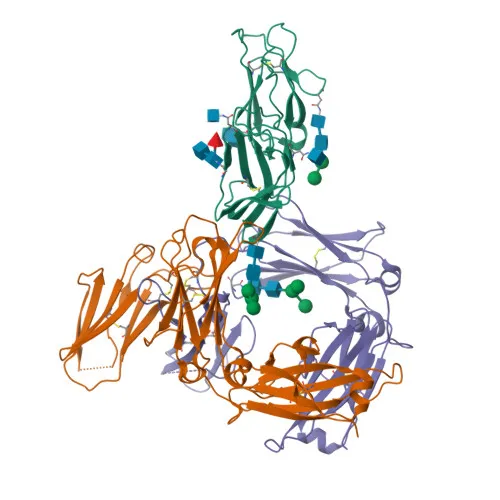
- Protein identity: High affinity immunoglobulin epsilon receptor subunit alpha (FcεR1α, also known as Fc-epsilon RI-alpha, encoded by the FCER1A gene). It belongs to the immunoglobulin superfamily, containing two Ig-like domains in its extracellular region.
- Core function: Acts as the high-affinity receptor for immunoglobulin E (IgE). Binding of IgE and subsequent cross-linking by antigen/allergen initiates intracellular signaling cascades that drive myeloid cell activation and differentiation.
- Cell types: Primarily expressed on mast cells, basophils, and eosinophils. On these cells, it triggers degranulation and release of vasoactive amines, lipid mediators, and cytokines, contributing to inflammatory responses and tissue remodeling.
- Host defense: Mediates immediate hypersensitivity reactions as a defense mechanism against helminth parasites, pathogenic bacteria, and venom toxicity.
- Pathological role: When dysregulated, FcεR1α signaling can lead to life-threatening allergic and anaphylactic reactions.
- Subcellular localization: Resides primarily at the cell membrane, with a single transmembrane helix. The extracellular region contains the IgE-binding site, while the intracellular tail couples to signaling adaptors.
- Post-translational modifications and structural features: Highly glycosylated; contains conserved disulfide bonds within the Ig domains. Key structural features include a signal peptide (cleaved during maturation), two Ig-like domains, a transmembrane helix, and a short cytoplasmic tail.
- Tissue expression: Highly expressed in eosinophils, as well as mast cells and basophils, consistent with its role in allergic effector responses.
Experimental Guidance and Technical Tips
- The immunogen used spans amino acids 26-205 of human FcεR1α (NP_001992.1), which corresponds to the entire extracellular domain after signal peptide cleavage. This design favors antibodies that recognize the native conformation of the receptor on live cells, making it ideal for flow cytometry applications.
- Since this antibody is directly conjugated to , no secondary staining step is required. This reduces non-specific binding and simplifies multi-color panel design. Consider pre‑incubating cells with an Fc receptor blocking reagent to minimize background from FcγR interactions.
- Validate staining in the appropriate cell system: human eosinophils, basophils, or in vitro differentiated mast cells. The receptor is expressed at moderate levels on eosinophils but can be upregulated by IL-5 or GM‑CSF.
- Common flow cytometry controls include unstained cells, isotype control (‑conjugated rabbit IgG), and stimulation‑induced activation markers if studying degranulation.
- Avoid fixation/permeabilization protocols that distort surface epitopes; test compatibility with the antibody if intracellular staining is attempted.
CamelBio: Your One-Stop Sourcing Bridge
As a specialized partner for IVD manufacturers and research laboratories, CamelBio streamlines the procurement of high‑quality raw materials for immunodiagnostic assays. For targets like FcεR1α involved in allergy and hypersensitivity research, we offer validated antibody pairs, monoclonal antibodies, and ancillary reagents at bulk scale—ensuring lot‑to‑lot consistency and rapid technical support. From concept to clinic, our team bridges gaps in sourcing rare‑target reagents and provides one‑stop access to the critical raw materials driving your diagnostic development pipeline.
REQUEST A QUOTE
Our professional team will reply to you within one business day. Please feel free to contact us!