Monoclonal Antibodies
Anti-Human FAP Monoclonal Antibody for FC - Q12884
Item Number : CM0011741
Price varies based on specs and customizations
- Application
- FC
- Cross Reactivity
- Human
- Protein Weight
- 27kDa/87kDa

Shipping:
Contact us to get shipping details Enjoy On-time Dispatch Guarantee.
Why Choose Us
Easy ordering process, quality products, and dedicated support for your business success.
Core Product Specifications and Parameters
| Parameter | Value |
|---|---|
| Product Name | Rabbit anti-Human FAP mAb |
| Remarks/Alias | FAP; DPPIV; FAPA; FAPalpha; SIMP; prolyl endopeptidase FAP |
| Species | Human |
| GeneID (human) | 2191 |
| GeneID | 2191 |
| Immunogen | Recombinant protein |
| Source | Rabbit |
| Category | Monoclonal Antibodies |
| Application | FC |
| Cross Reactivity | Human |
| SWISS | Q12884 |
| Protein Weight | 27kDa/87kDa |
| Shipping | Ice bag |
Biological Background: FAP Function and Localization
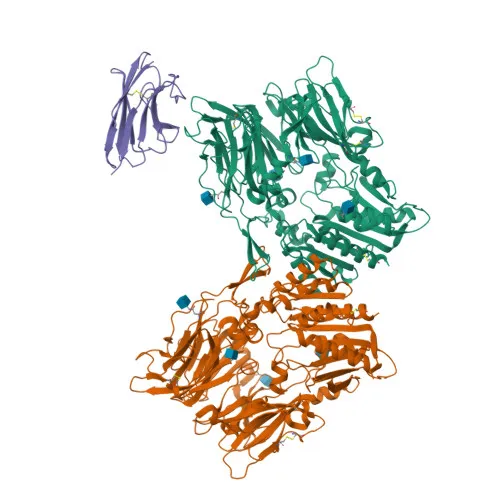
- Prolyl endopeptidase FAP (also known as seprase, FAPalpha, DPPIV, SIMP) is a cell surface glycoprotein and serine protease that exists as a ~170 kDa homodimer of ~88 kDa monomers.
- The protease displays post-proline cleaving endopeptidase activity with a marked preference for Ala/Ser-Gly-Pro-Ser/Asn/Ala motifs, targeting substrates such as alpha-2-antiplasmin (SERPINF2) and SPRY2. Related references: PMID:14751930, PMID:16223769, PMID:16410248
- It also possesses dipeptidyl peptidase activity, hydrolyzing prolyl bonds two residues from the N-terminus of synthetic substrates (e.g., Ala-Pro, Ile-Pro, Gly-Pro, Arg-Pro, Pro-Pro) and processing natural neuropeptides including NPY, PYY, substance P, and BNP. Related references: PMID:10347120, PMID:10593948, PMID:16175601, PMID:21314817
- FAP degrades gelatin and heat-denatured type I collagen, but does not cleave native collagens or several other ECM components like fibronectin and laminin. Related references: PMID:10347120, PMID:10455171, PMID:12376466
- On the plasma membrane, FAP associates with DPP4, PLAUR, or integrins to mediate pericellular ECM proteolysis, thereby promoting cell adhesion, migration, and invasion.
- FAP is anchored on the cell surface and enriched in membrane protrusions (lamellipodia, invadopodia, ruffles); it is also found as a secreted form and in the cytoplasm.
- The protein is expressed in activated stromal fibroblasts of various tissues, including healing wounds, fibrotic liver, and epithelial cancers, as well as in glioma and melanoma cells. It is absent from normal liver.
- Two isoforms (isoform 1 and isoform 2) are produced by alternative splicing, both of which are detected in melanoma, carcinoma, and fibroblast cell lines.
Experimental Guidance and Technical Tips
- For flow cytometry, titrate the antibody to determine the optimal staining concentration and always include appropriate isotype controls.
- FAP is known to undergo proteolytic cleavage and glycosylation, which may result in multiple bands (e.g., ~27 kDa and ~87 kDa) in immunodetection. Validate detection conditions using a relevant positive control (e.g., FAP-expressing cell lines).
- Since FAP is a transmembrane protein, live-cell staining protocols can be considered; avoid permeabilization buffers if targeting extracellular epitopes.
- Confirm that the flow cytometer laser and filter settings are compatible with (excitation/emission maxima ~590/617 nm).
CamelBio: Your One-Stop Sourcing Bridge
CamelBio partners with diagnostic manufacturers and research laboratories to supply high-quality IVD raw materials, from validated antibody pairs and optimized monoclonal/polyclonal antibodies to bulk ancillary reagents. This anti-FAP antibody supports oncology and tissue remodeling studies, and we can assist you in rare-target sourcing or custom bioreagent procurement to accelerate your assay development—backed by a reliable global supply chain and deep technical expertise.
REQUEST A QUOTE
Our professional team will reply to you within one business day. Please feel free to contact us!