Monoclonal Antibodies
Anti-Human DC-SIGNR/CD299 Monoclonal Antibody for Flow Cytometry - Q9H2X3
Item Number : CM0010371
Price varies based on specs and customizations
- Application
- FC
- Cross Reactivity
- Human
- Protein Weight
- 24kDa-45kDa

Shipping:
Contact us to get shipping details Enjoy On-time Dispatch Guarantee.
Why Choose Us
Easy ordering process, quality products, and dedicated support for your business success.
Core Product Specifications and Parameters
| Parameter | Value |
|---|---|
| Product Name | Rabbit anti-Human DC-SIGNR/CD299 mAb |
| Remarks/Alias | CD299; LSIGN; CD209L; L-SIGN; DCSIGNR; HP10347; DC-SIGN2; DC-SIGNR |
| Species | Human |
| GeneID | 10332 |
| Immunogen | Recombinant fusion protein containing a sequence corresponding to amino acids 71-399 of human DC-SIGNR/CD299 (NP_055072.3). |
| Source | Rabbit |
| Category | Monoclonal Antibodies |
| Application | FC |
| Cross Reactivity | Human |
| SWISS | Q9H2X3 |
| Protein Weight | 24kDa-45kDa |
| Shipping | Ice bag |
Biological Background: DC-SIGNR/CD299 Function and Localization
- DC-SIGNR (CD299, CLEC4M) is a type II transmembrane C-type lectin receptor that functions as a pathogen-recognition receptor, primarily involved in immune surveillance in the liver.
- It mediates the endocytosis of pathogens for lysosomal degradation and acts as an adhesion receptor for ICAM3 on T cells via mannose-like carbohydrate recognition.
- This receptor serves as an attachment factor for numerous pathogens, including HIV-1, HCV, SARS-CoV, Ebolavirus, and hepatitis C virus, highlighting its role in viral entry and infection.
- DC-SIGNR is predominantly expressed on the surface of liver sinusoidal endothelial cells, lymph node endothelial cells, and in placental and lung endothelia, consistent with its immune surveillance function.
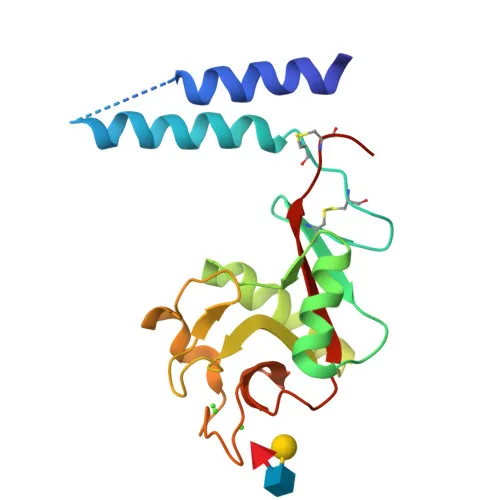
- The protein contains a C-terminal C-type lectin domain (carbohydrate recognition domain) that binds mannose-containing ligands in a calcium-dependent manner.
- Alternative splicing generates multiple isoforms, including transmembrane and secreted variants, which may modulate pathogen binding and immune responses.
- Post-translational modifications include N-linked glycosylation and intrachain disulfide bonds that stabilize the extracellular domain.
- Clinically, DC-SIGNR is implicated in infectious disease susceptibility and has been studied as a potential target for antiviral therapies.
Experimental Guidance and Technical Tips
- This antibody was generated using a recombinant fusion protein corresponding to amino acids 71-399, encompassing the extracellular domain and carbohydrate recognition domain; validate specificity in your target cell system.
- Validated for flow cytometry (FC) with human samples; for other applications, consider pilot testing and optimization under your own experimental conditions.
- Store the antibody as recommended for fluorescent conjugates, protected from light, and avoid freeze-thaw cycles.
- Since cross-reactivity is reported only for human, verify reactivity if working with cells from other species.
- The protein weight ranges between 24 kDa and 45 kDa in lysates; use appropriate molecular weight markers and lysis conditions to detect all isoforms.
CamelBio: Your One-Stop Sourcing Bridge
CamelBio provides a comprehensive sourcing platform for IVD raw materials, accessories, and technical support. This ABflo® 488-conjugated anti‑DC-SIGNR/CD299 monoclonal antibody is part of our portfolio supporting immunological and virology research, including receptor studies and flow cytometry. Whether you need validated antibody pairs, bulk reagents, or customized rare‑target sourcing, our team can assist you from concept to clinical application.
REQUEST A QUOTE
Our professional team will reply to you within one business day. Please feel free to contact us!