Monoclonal Antibodies
Anti-Human CD79a Monoclonal Antibody for Intracellular Flow Cytometry - P11912
Item Number : CM0004529
Price varies based on specs and customizations
- Application
- FC (intra)
- Cross Reactivity
- Human
- Protein Weight
- 25kDa

Shipping:
Contact us to get shipping details Enjoy On-time Dispatch Guarantee.
Why Choose Us
Easy ordering process, quality products, and dedicated support for your business success.
Core Product Specifications and Parameters
| Parameter | Value |
|---|---|
| Product Name | Rabbit anti-Human CD79a mAb |
| Remarks/Alias | IGA; MB1; MB-1; IGAlpha |
| Species | Human |
| GeneID (Human) | 973 |
| GeneID | 973 |
| Immunogen | Recombinant fusion protein containing a sequence corresponding to amino acids 165-225 of human CD79a (NP_001774.1) |
| Source | Rabbit |
| Category | Monoclonal Antibodies |
| Application | FC (intra) |
| Cross Reactivity | Human |
| SWISS | P11912 |
| Protein Weight | 25kDa |
| Shipping | Ice bag |
Biological Background: CD79a Function and Localization
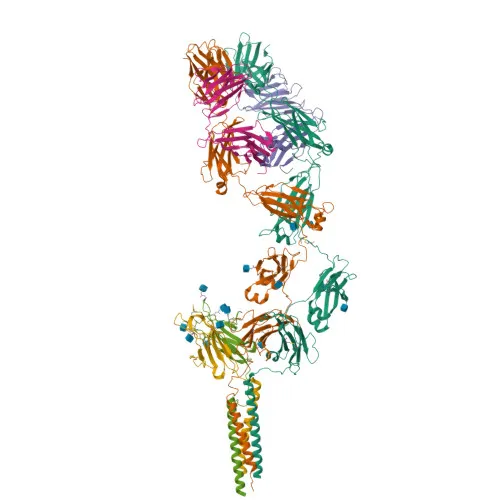
- CD79a, also known as Ig-alpha or MB-1, is a single-pass type I membrane protein that serves as the alpha chain of the B-cell antigen receptor complex (BCR).
- It is essential for BCR surface expression and for the initiation of signal transduction upon antigen binding, leading to B-cell activation, internalization, and antigen presentation.
- In cooperation with CD79b, CD79a stimulates SYK kinase autophosphorylation and recruits BLNK, facilitating the phosphorylation cascade required for B-cell development and function.
- During B-cell ontogeny, CD79a plays a critical role in efficient differentiation of pro- and pre-B-cells, while also modulating BCR signaling to repress activation in immature B cells.
- Subcellularly, CD79a is primarily localized to the cell membrane, consistent with its role as a transmembrane receptor component.
- Expression is highly tissue-specific, restricted to B-cells, making it a reliable pan-B-cell marker for immunological studies and diagnostics.
- Post-translational modifications include glycosylation, disulfide bond formation, phosphorylation, and ubiquitination, which regulate its stability and signaling activity.
Experimental Guidance and Technical Tips
- The immunogen corresponds to amino acids 165–225 of human CD79a (intracellular domain), which is appropriate for intracellular detection methods such as intracellular flow cytometry.
- As an conjugate, this antibody enables direct detection; consider optimizing fixation and permeabilization protocols for your specific cell type to maintain epitope accessibility.
- Validate antibody performance in relevant human B-cell lines (e.g., Raji, Daudi) or primary peripheral blood mononuclear cells (PBMCs) to confirm specificity and sensitivity.
- CD79a staining intensity may vary with B-cell maturation stage; correlate with other B-cell markers (e.g., CD19, CD20) to accurately profile B-cell populations.
CamelBio: Your One-Stop Sourcing Bridge
CamelBio offers integrated access to IVD raw materials, technical services, and consulting for diagnostic manufacturers and laboratories. This anti-human CD79a monoclonal antibody supports B-cell immunology and hematological research applications. Our portfolio includes validated antibody pairs, optimized monoclonal/polyclonal antibodies, bulk ancillary reagents, and rare target sourcing to streamline your project from concept to clinic.
Product Datasheet
Anti-Human CD79a Monoclonal Antibody for Intracellular Flow Cytometry - P11912
REQUEST A QUOTE
Our professional team will reply to you within one business day. Please feel free to contact us!