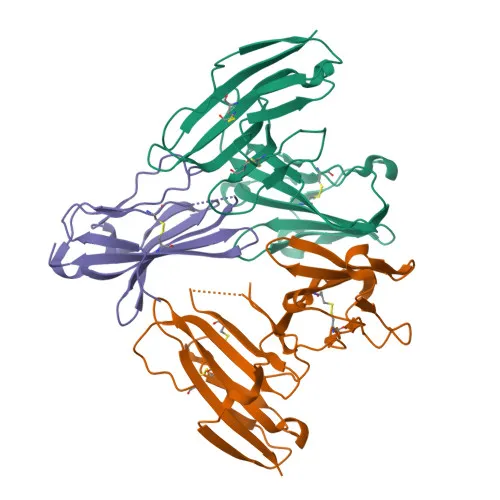
Monoclonal Antibodies
Anti-Human CD226/DNAM-1 Monoclonal Antibody for Flow Cytometry - Q15762
Item Number : CM0004690
Price varies based on specs and customizations
- Application
- FC
- Cross Reactivity
- Human
- Protein Weight
- 39kDa

Shipping:
Contact us to get shipping details Enjoy On-time Dispatch Guarantee.
Why Choose Us
Easy ordering process, quality products, and dedicated support for your business success.
Core Product Specifications and Parameters
| Parameter | Value |
|---|---|
| Product Name | Rabbit anti-Human CD226/DNAM-1 mAb |
| Remarks/Alias | PTA1; DNAM1; DNAM-1; TLiSA1 |
| Species | Human |
| GeneID (Human) | 10666 |
| GeneID | 10666 |
| Immunogen | Recombinant fusion protein containing a sequence corresponding to amino acids 19-247 of human CD226/DNAM-1 (NP_006557.2). |
| Source | Rabbit |
| Category | Monoclonal Antibodies |
| Application | FC |
| Cross Reactivity | Human |
| SWISS | Q15762 |
| Protein Weight | 39kDa |
| Shipping | Ice bag |
Biological Background: CD226 antigen Function and Localization
- CD226, also known as DNAX accessory molecule 1 (DNAM-1), is a transmembrane glycoprotein receptor belonging to the immunoglobulin superfamily, primarily expressed on cytotoxic T lymphocytes (CTLs) and natural killer (NK) cells.
- It functions as a costimulatory receptor that, upon binding to its ligands PVR/CD155 or NECTIN2/CD112 on target cells, enhances the cytotoxic activity of NK cells and CTLs, promoting the elimination of virus-infected or tumor cells. Related references: PMID:26755705 PMID:31253644 PMID:30591568
- CD226 mediates intercellular adhesion and immune synapse formation, playing a critical role in lymphocyte signaling, cytotoxicity, and lymphokine secretion. Related references: PMID:8673704 PMID:9712030
- Ligand engagement triggers phosphorylation by Src family kinases (e.g., LYN, FYN), enabling recruitment of GRB2 and subsequent activation of VAV1, PI3K, PLCG1, ERK, and AKT pathways.
- The protein is localized to the cell membrane (SUBCELLULAR LOCATION: Cell membrane).
- It is predominantly expressed in peripheral blood T-lymphocytes (TISSUE SPECIFICITY).
- Post-translational modifications include N-linked glycosylation, disulfide bond formation, and phosphorylation, which are critical for its structural integrity and signal transduction (KEYWORDS: Glycoprotein, Disulfide bond, Phosphoprotein).
Experimental Guidance and Technical Tips
- The immunogen encompasses the extracellular domain (aa 19–247), theoretically enabling recognition of native CD226 on live cells, making it appropriate for flow cytometry (FC) applications.
- For optimal FC performance, consider titrating the antibody to determine the best concentration for your specific cell population and include appropriate isotype controls and viability dyes.
- As cross-reactivity is reported for human only, validate the antibody in samples from other species if intended for non-human studies.
CamelBio: Your One-Stop Sourcing Bridge
CamelBio offers diagnostic manufacturers, laboratories, and research institutes streamlined access to high-quality IVD raw materials, including this anti-CD226/DNAM-1 antibody for immune-oncology and cytotoxicity research. Our portfolio encompasses validated antibody pairs, tailored monoclonal antibodies, and rare target sourcing, supporting the development of robust immunoassays and flow cytometry panels. Partner with CamelBio to accelerate your diagnostic and research workflows.
Product Datasheet
Anti-Human CD226/DNAM-1 Monoclonal Antibody for Flow Cytometry - Q15762
REQUEST A QUOTE
Our professional team will reply to you within one business day. Please feel free to contact us!