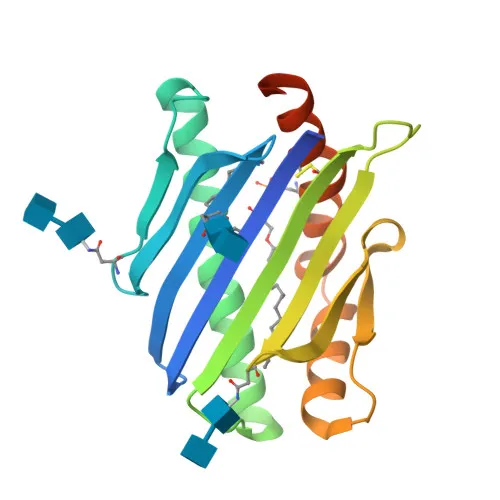
Monoclonal Antibodies
Anti-Human CD201/EPCR Monoclonal Antibody for FC - Q9UNN8
Item Number : CM0010208
Price varies based on specs and customizations
- Application
- FC
- Cross Reactivity
- Human
- Protein Weight
- 27kDa

Shipping:
Contact us to get shipping details Enjoy On-time Dispatch Guarantee.
Why Choose Us
Easy ordering process, quality products, and dedicated support for your business success.
Core Product Specifications and Parameters
| Parameter | Value |
|---|---|
| Product Name | Rabbit anti-Human CD201/EPCR mAb |
| Remarks/Alias | PROCR; CCCA; CCD41; EPCR; protein C receptor |
| Species | Human |
| Gene ID | 10544 |
| Immunogen | Recombinant fusion protein containing a sequence corresponding to amino acids 18-210 of human CD201/EPCR (NP_006395.2) |
| Source | Rabbit |
| Category | Monoclonal Antibodies |
| Application | FC |
| Cross Reactivity | Human |
| SWISS | Q9UNN8 |
| Protein Weight | 27kDa |
| Shipping | Ice bag |
Biological Background: CD201/EPCR (Endothelial Protein C Receptor) Function and Localization
- Protein identity: CD201, also known as endothelial protein C receptor (EPCR) or activated protein C receptor (APC receptor), is encoded by the PROCR gene and belongs to the CD protein family.
- Core function: EPCR binds activated protein C and enhances its activation by the thrombin-thrombomodulin complex, playing a critical role in the protein C anticoagulant pathway (blood coagulation).
- Subcellular localization: The receptor is primarily located on the membrane; it contains a signal peptide and a transmembrane domain, consistent with its role as a cell surface receptor.
- Tissue expression: High expression is observed in endothelial cells of large arteries and veins in the heart and lung, with lower levels in capillaries of the lung and skin, and absence in the endothelium of small vessels in the liver and kidney.
- Post-translational modifications: EPCR is a glycoprotein with disulfide bonds, features characteristic of a cell surface receptor involved in hemostasis.
- Biological significance: By modulating the protein C pathway, EPCR contributes to the regulation of hemostasis, thrombosis, and inflammation.
Experimental Guidance and Technical Tips
- For flow cytometry applications, titrate the antibody to determine the optimal staining concentration for your specific cell type and experimental setup.
- Include appropriate isotype controls and live/dead cell discrimination to confirm specificity.
- Since the immunogen covers the extracellular domain (amino acids 18–210), the antibody is expected to recognize native surface-expressed EPCR; validate performance in your target cell system.
- Protect the conjugate from prolonged light exposure during staining and storage to maintain fluorescence intensity.
- For samples with low EPCR expression, consider signal amplification or using higher antibody concentrations while monitoring background.
CamelBio: Your One-Stop Sourcing Bridge
CamelBio provides a comprehensive portfolio of IVD raw materials, including this anti-CD201/EPCR monoclonal antibody, to accelerate research in coagulation and hemostasis. We supply validated antibody pairs, optimized monoclonal and polyclonal antibodies, and bulk ancillary reagents to streamline your immunoassay development. Our sourcing expertise ensures reliable access to rare and specialized targets, supporting diagnostic manufacturers from concept to clinic.
REQUEST A QUOTE
Our professional team will reply to you within one business day. Please feel free to contact us!
Related Articles
When the Seal Changes the Result: Controlling CT Variance in Real-Time PCR
Learn how evaporation, optical interference, and edge effects raise qPCR CT values, and how better sealing protects diagnostic accuracy.
Why Open Chemistry and Flexible Reaction Volumes Define Better Diagnostic PCR Systems
Learn how open chemistry compatibility and flexible reaction volumes improve PCR assay control, sensitivity, cost, scalability, and supply independence.