Monoclonal Antibodies
Anti-Human CD170/Siglec-5 Monoclonal Antibody for FC - O15389
Item Number : CM0011323
Price varies based on specs and customizations
- Application
- FC
- Cross Reactivity
- Human
- Protein Weight
- 61kDa

Shipping:
Contact us to get shipping details Enjoy On-time Dispatch Guarantee.
Why Choose Us
Easy ordering process, quality products, and dedicated support for your business success.
Core Product Specifications and Parameters
| Parameter | Value |
|---|---|
| Product Name | Rabbit anti-Human CD170/Siglec-5 mAb |
| Remarks/Alias | CD170; OBBP2; CD33L2; OB-BP2; SIGLEC-5 |
| Species | Human |
| GeneID (Human) | 8778 |
| GeneID | 8778 |
| Immunogen | Recombinant fusion protein containing a sequence corresponding to amino acids 17-434 of human CD170/Siglec-5 (NP_003821.1). |
| Source | Rabbit |
| Category | Monoclonal Antibodies |
| Application | FC |
| Cross Reactivity | Human |
| SWISS | O15389 |
| Protein Weight | 61kDa |
| Shipping | Ice bag |
Biological Background: CD170/Siglec-5 Function and Localization
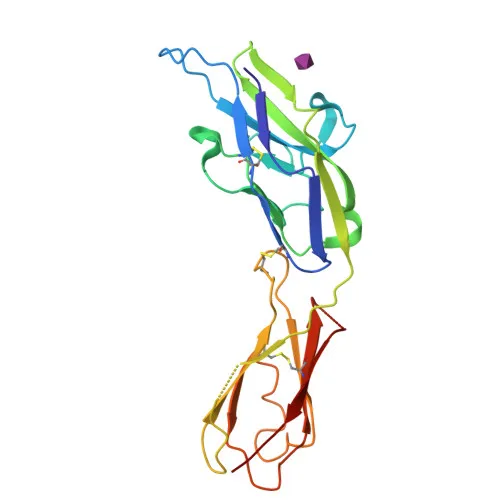
- CD170/Siglec-5 is a member of the sialic acid-binding immunoglobulin-like lectin (Siglec) family, also known as CD33 antigen-like 2 and obesity-binding protein 2 (OB-BP2). It acts as a putative adhesion molecule mediating sialic-acid-dependent cell binding.
- It binds equally to both α-2,3- and α-2,6-linked sialic acids; this recognition may be masked by cis interactions with sialic acids on the same cell surface.
- The protein is encoded by the SIGLEC5 gene (alternative names: CD33L2, OBBP2) located on chromosome 19q13.3.
- Subcellular localization is at the cell membrane, consistent with its role as a transmembrane receptor.
- Tissue expression is predominantly in monocytic and myeloid lineage cells, with high levels in peripheral blood leukocytes, spleen, and bone marrow, and lower levels in lymph node, lung, appendix, placenta, pancreas, and thymus. It is expressed on monocytes and neutrophils but absent from leukemic cell lines representing early myelomonocytic differentiation stages.
- Key structural features include an extracellular region containing immunoglobulin-like domains, disulfide bonds, and N-linked glycosylation sites, classifying it as a glycoprotein and lectin.
Experimental Guidance and Technical Tips
- For flow cytometry, consider using fresh or fixed cells expressing CD170, such as peripheral blood monocytes or neutrophils. Validate specificity with an appropriate isotype control.
- The immunogen corresponds to the extracellular domain (aa 17–434), suggesting the antibody likely binds an extracellular epitope; no permeabilization is required for surface staining.
- Cis interactions with sialic acids on the same cell may conceal the epitope in some conditions; if staining is weak, sialidase treatment could be explored but should be carefully validated.
- When working with cell lines, confirm CD170 expression status, as many leukemic cell lines representing early differentiation stages are negative.
CamelBio: Your One-Stop Sourcing Bridge
CamelBio bridges the gap between raw material sourcing and diagnostic development, offering this anti-CD170 monoclonal antibody as part of a comprehensive portfolio for myeloid cell research. Our platform provides validated antibody pairs, bulk ancillary reagents, and custom sourcing for rare targets, empowering manufacturers and labs to advance immunophenotyping and Siglec-related studies efficiently.
REQUEST A QUOTE
Our professional team will reply to you within one business day. Please feel free to contact us!