Monoclonal Antibodies
Anti-Human CD152/CTLA-4 Monoclonal Antibody for FC (intra) - P16410
Item Number : CM0005796
Price varies based on specs and customizations
- Application
- FC (intra)
- Cross Reactivity
- Human
- Protein Weight
- 6kDa/8kDa/19kDa/24kDa

Shipping:
Contact us to get shipping details Enjoy On-time Dispatch Guarantee.
Why Choose Us
Easy ordering process, quality products, and dedicated support for your business success.
Core Product Specifications and Parameters
| Parameter | Value |
|---|---|
| Product Name | Rabbit anti-Human CD152/CTLA-4 mAb |
| Remarks/Alias | CD; GSE; GRD4; ALPS5; CD152; CTLA-4; IDDM12; CELIAC3 |
| Species | Human |
| GeneID (Human) | 1493 |
| GeneID | 1493 |
| Immunogen | Recombinant protein|Recombinant fusion protein containing a sequence corresponding to amino acids 37-162 of human CD152/CTLA-4 (NP_005205.2). |
| Source | Rabbit |
| Category | Monoclonal Antibodies |
| Application | FC (intra) |
| Cross Reactivity | Human |
| SWISS | P16410 |
| Protein Weight | 6kDa/8kDa/19kDa/24kDa |
| Shipping | Ice bag |
Biological Background: CD152/CTLA-4 Function and Localization
-
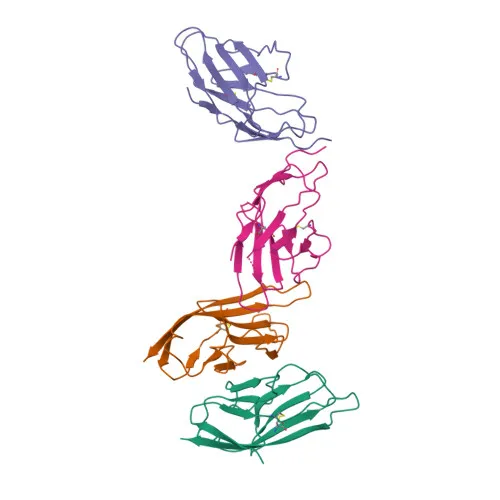
CTLA-4 (Cytotoxic T-lymphocyte protein 4), also known as CD152, is a transmembrane glycoprotein belonging to the immunoglobulin superfamily. It functions as an inhibitory receptor, serving as a major negative regulator of T-cell responses.
Related references:
PMID:11279501 PMID:11279502 PMID:16551244 -
CTLA-4 acts as a decoy receptor with significantly higher affinity for the B7 ligands CD80 and CD86 than the stimulatory coreceptor CD28, thereby outcompeting CD28 and dampening T-cell activation.
Related references:
PMID:11279501 PMID:11279502 PMID:16551244 -
It is primarily localized on the cell membrane, with highest expression in lymphoid tissues and notably in activated T-cells, where surface levels are 30- to 50-fold lower than CD28.
-
CTLA-4 undergoes alternative splicing, yielding isoforms with predicted molecular weights around 6 kDa, 8 kDa, 19 kDa, and 24 kDa; post-translational modifications include glycosylation and phosphorylation.
-
Genetic variations in CTLA4 are associated with autoimmune disorders such as type 1 diabetes mellitus and systemic lupus erythematosus, as well as immune dysregulation syndromes like ALPS5 and CELIAC3.
-
UniProt keywords include 3D-structure, adaptive immunity, alternative splicing, cell membrane, diabetes mellitus, disease variant, disulfide bond, glycoprotein, immunity, immunoglobulin domain, membrane, pharmaceutical, phosphoprotein, proteomics identification, reference proteome, signal, systemic lupus erythematosus, transmembrane, transmembrane helix.
Experimental Guidance and Technical Tips
- The immunogen used for this antibody is a recombinant protein spanning amino acids 37–162 of human CTLA-4, a region that includes the extracellular Ig-like domain; this design may confer high specificity.
- This rabbit monoclonal antibody is validated for intracellular flow cytometry (FC intra). For optimal performance, consider titrating the antibody and validating in the relevant sample system.
- Since CTLA-4 is predominantly intracellular in resting T-cells and surface‑expressed upon activation, appropriate permeabilization protocols and activation controls should be employed.
CamelBio: Your One-Stop Sourcing Bridge
CamelBio supports diagnostic manufacturers, laboratories, and research institutes with comprehensive access to IVD raw materials, technical services, and consulting. This anti-CD152/CTLA-4 monoclonal antibody exemplifies our commitment to delivering high-quality immunological reagents for immune checkpoint research and assay development. From validated antibody pairs and bulk ancillary reagents to rare target sourcing, we provide end-to-end solutions that accelerate your project from concept to clinic.
REQUEST A QUOTE
Our professional team will reply to you within one business day. Please feel free to contact us!