Monoclonal Antibodies
Anti-Human CD123 (IL3Rα) Monoclonal Antibody for Flow Cytometry - P26951
Item Number : CM0009158
Price varies based on specs and customizations
- Application
- FC
- Cross Reactivity
- Human
- Protein Weight
- 43 kDa

Shipping:
Contact us to get shipping details Enjoy On-time Dispatch Guarantee.
Why Choose Us
Easy ordering process, quality products, and dedicated support for your business success.
Core Product Specifications and Parameters
| Parameter | Value |
|---|---|
| Product Name | Rabbit anti-Human CD123 mAb |
| Remarks/Alias | IL3R; CD123; IL3RX; IL3RY; IL3RAY; hIL-3Ra; IL-3R-alpha |
| Species | Human |
| GeneID (Human) | 3563 |
| GeneID | 3563 |
| Immunogen | Recombinant protein |
| Source | Rabbit |
| Category | Monoclonal Antibodies |
| Application | FC |
| Cross Reactivity | Human |
| SWISS | P26951 |
| Protein Weight | 43 kDa |
| Shipping | Ice bag |
Biological Background: CD123 Function and Localization
- The interleukin-3 receptor subunit alpha (IL3RA), also known as CD123, is a type I membrane glycoprotein and the ligand-binding alpha chain of the receptor for interleukin-3.
- It forms a high-affinity receptor upon heterodimerization with the common beta chain (IL3RB/CD131) after IL-3 binding, initiating intracellular signaling cascades.
- Activation of the receptor complex leads to phosphorylation and activation of JAK2 and PI3K, which in turn mediate STAT5-driven transcriptional programs crucial for cell proliferation and differentiation (By similarity).
- CD123 is predominantly expressed on the surface of hematopoietic progenitor cells, monocytes, and B-lymphocytes, playing a key role in hematopoiesis. Related references: PMID:10527461
- Subcellular localization is primarily the cell membrane, consistent with its function as a cytokine receptor.
- Post-translational modifications include predicted N-glycosylation sites and disulfide bonds essential for proper folding and stability; it may also undergo ubiquitination.
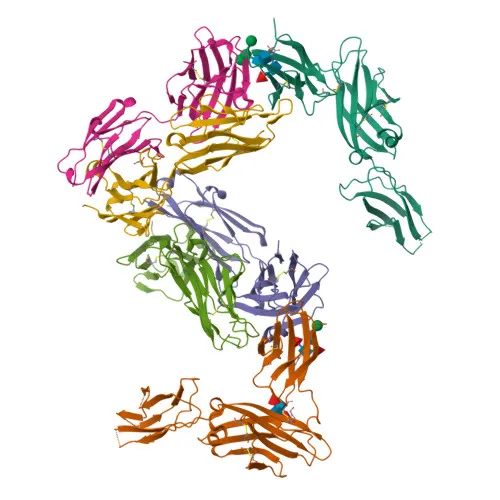
- Alternative splicing generates multiple isoforms, and the three-dimensional structure of the extracellular domain has been solved, providing insights into ligand-receptor interactions.
Experimental Guidance and Technical Tips
- The immunogen comprises the entire extracellular domain (amino acids 1–378), making this antibody optimally designed for recognizing native CD123 on live cells.
- For flow cytometry applications, titrate the antibody to determine the optimal staining concentration and include appropriate isotype controls to distinguish specific binding.
- Since CD123 is expressed at varying levels across cell types, validate the antibody in your target cell population under conditions that preserve surface epitopes (e.g., avoid fixation if it masks the epitope).
- Consider performing a blocking step with recombinant IL-3 to confirm specificity of receptor binding, especially when analyzing cells with low antigen density.
CamelBio: Your One-Stop Sourcing Bridge
CamelBio serves as a comprehensive sourcing partner for IVD raw materials, offering validated monoclonal antibodies like this anti-CD123 conjugate for hematology and immune cell research. Our portfolio spans optimized antibody pairs, bulk ancillary reagents, and rare-target raw materials to accelerate your diagnostic assay development. Let CamelBio streamline your procurement from concept to clinic.
Product Datasheet
Anti-Human CD123 (IL3Rα) Monoclonal Antibody for Flow Cytometry - P26951
REQUEST A QUOTE
Our professional team will reply to you within one business day. Please feel free to contact us!